Paris has been the European cultural capital for Latin American artists, writers, and diplomats since the 19th century: from the Uruguayan painter Rafael Barradas and the Colombian writer Gabriel García Márquez (who wrote much of One Hundred Years of Solitude in his Paris apartment on Rue de la Butte-aux-Cailles in the 1960s) to the contemporary generation of Brazilian and Colombian collectors who maintain Paris apartments and participate actively in the FIAC and Art Paris fair circuits. The Latin American diplomatic community in Paris is one of the largest in Europe: the embassies of Brazil, Argentina, Colombia, Mexico, Chile, Peru, and Venezuela are concentrated in the 7ème and 8ème arrondissements. FFGR provides the transport for this community: from airport arrivals to museum visits, embassy meetings, and the auction house circuit.
Musée du Quai Branly-Jacques Chirac: the Americas collections
Musée du Quai Branly-Jacques Chirac (37 Quai Branly 75007, in the 7ème arrondissement, on the Seine between the Pont de l'Alma and the Eiffel Tower, in the building designed by Jean Nouvel and inaugurated in 2006, the building is set in a garden of 18,000 plants on the banks of the Seine, with a façade covered in a vertical garden designed by Patrick Blanc) :
**The Americas collection:** the Quai Branly houses approximately 70,000 objects from the Americas, the most important collection of pre-Columbian art in Europe outside of Madrid. The collection includes: - Pre-Columbian ceramics from the Mochica, Nazca, and Tiwanaku cultures of the Andes - Mesoamerican jade objects and stone carvings from the Maya and Aztec civilisations - Amazonian featherwork, the most extensive collection in the world (the feathered cloaks, headdresses, and ceremonial objects from the Tupinambá, Kayapó, and Bororo peoples, acquired by French explorers and missionaries in the 16th-19th centuries) - North American indigenous art from the collections of the Musée de l'Homme (transferred to Quai Branly in 2004) - Andean textiles from Peru (the collection includes Paracas weavings from the 1st century BCE, among the oldest surviving textiles in the Americas)
**Access for collectors and researchers:** the Quai Branly study rooms (accessible by appointment through the research and education department) provide access to the reserve collections not on permanent display. The library of the Quai Branly (the Jacques Kerchache library, named after the collector and anthropologist who was the intellectual architect of the museum) holds the most comprehensive specialist collection on non-Western arts in France.
**The temporary exhibitions:** the Quai Branly holds major temporary exhibitions on Latin American civilisations at the rate of 3-4 per year, exhibitions in recent years have included retrospectives on the art of the Aztec empire, the photography of Latin American indigenous peoples, and the contemporary art of Mexico.
The Latin American diplomatic circuit: embassies of the 7ème and 8ème
The Latin American embassies are concentrated in the arrondissements of the French diplomatic quarter :
**Brazilian Embassy (34 Cours Albert 1er 75008, in the 8ème, on the Cours Albert 1er between the Pont de l'Alma and the Pont des Invalides, in a 19th-century mansion acquired by the Brazilian government in 1922):** Brazil is the most economically significant Latin American partner of France, with a bilateral trade volume of approximately €6.5 billion annually and a long-standing cultural relationship (the Mission Artistique Française, sent to Brazil in 1816 by King João VI, established the Escola de Belas Artes do Rio de Janeiro, shaping Brazilian visual culture for a century). The Brazilian embassy in Paris is among the five most active Latin American missions in Europe. The National Day reception (7 September, Independence Day) at the embassy gathers the Franco-Brazilian political and business community.
**Argentine Embassy (6 Rue Cimarosa 75116, in the 16ème, near the Trocadéro):** Argentina maintains the second largest Latin American diaspora community in France (after Brazil), with approximately 60,000 French nationals of Argentine origin. The Argentine embassy hosts the annual Tango Salon and regular events of the Alliance Française Argentine de Paris.
**Colombian Embassy (22 Rue de l'Élysée 75008, in the 8ème, near the Champs-Élysées):** Colombia has a particularly active cultural presence in Paris, the Maison de la Culture Latino-américaine on the Rue Monge and the Centre Culturel Colombien on the Avenue de la Grande-Armée organise annual programmes of Colombian art, cinema, and literature.
**Mexican Embassy (9 Rue de Longchamp 75116):** Mexico has historical diplomatic ties with France since the 19th century (the French intervention in Mexico 1862-1867 notwithstanding) and maintains an active cultural programme through the Centre Culturel du Mexique (119 Rue Vieille-du-Temple 75003, in the Marais, housed in the Hôtel de Candie).
The Latin American art market in Paris: FIAC, Art Paris and the galleries
Paris occupies a specific niche in the global Latin American art market, between the primary market of São Paulo and Mexico City and the secondary market of New York :
**FIAC and Art Paris:** the FIAC (Foire Internationale d'Art Contemporain, held annually at the Grand Palais in October) has consistently featured Latin American galleries alongside the dominant European and American contingent. The galleries of Buenos Aires (Ruth Benzacar), São Paulo (Fortes D'Aloia & Gabriel, Mendes Wood DM), Mexico City (kurimanzutto, OMR), and Bogotá (Nueveochenta) have been regular exhibitors, bringing the primary Latin American contemporary market to Paris. Art Paris (Grand Palais, April) has specifically focused on Latin American art through dedicated thematic sections.
**The Paris galleries specialising in Latin American art:** - Galerie Rabouan Moussion (7 Rue de Thorigny 75003, in the Marais), specialist in Latin American photography and contemporary art - Galerie Thomas Zander (Paris space), representing Colombian and Brazilian photographers - Galerie Maria Lund (4 Rue des Arquebusiers 75003), Nordic and Latin American contemporary art
**Christie's and Sotheby's Latin American sales:** Christie's Paris and Sotheby's Paris hold occasional dedicated Latin American art sales, the market for Fernando Botero, Fernando Cánovas, Roberto Matta, Rufino Tamayo, Oswaldo Guayasamín, and Frida Kahlo (when available) is active in Paris alongside the primary New York and London markets.
The Casa de América Latina and the Latin American cultural institutions
The principal Latin American cultural institutions of Paris :
**Casa de América Latina (9 Rue Humblot 75015, in the 15ème arrondissement, near the UNESCO headquarters):** the Casa de América Latina is the principal inter-governmental cultural institution for Latin America in France, founded in 1975 with the support of the French Ministry of Foreign Affairs and the OAS (Organisation of American States). The Casa organises an annual programme of cinema (the Festival de Cinéma Latino-Américain de Paris, held each November, the oldest Latin American film festival in Europe), literature (the Festival América, biennial, one of the principal Latin American literary events in Europe), and visual art. The Casa maintains a specialist library of 30,000 volumes on Latin American culture and society.
**Centre Culturel du Mexique (119 Rue Vieille-du-Temple 75003):** housed in the Hôtel de Candie, a 17th-century Marais mansion, the Mexican cultural centre is one of the most architecturally distinguished cultural venues in Paris. The centre organises exhibitions, cinema cycles, and events celebrating Mexican culture, with particular emphasis on pre-Columbian heritage and contemporary Mexican art.
**Institut Culturel du Brésil (45 Rue de Trévise 75009):** the Brazilian cultural institute in Paris organises an annual programme of Brazilian cinema, contemporary art, and popular music, including events tied to the Rio Carnival season (February-March) and the São Paulo Art Biennial cycle.
**L'Alliance Française:** the Alliance Française de Paris (101 Boulevard Raspail 75006, near Saint-Germain-des-Prés) has a particularly active Latin American student community, the language school enrolls approximately 12,000 students annually, with Brazilian, Colombian, Argentine, and Mexican students constituting the largest non-European contingent.
The Paris Latin American business and collectors community
The UHNW Latin American community in Paris is one of the most financially significant non-European communities in the city :
**The Brazilian UHNW community:** Paris has been a preferred second home for Brazilian UHNW individuals since the 1990s, when the stabilisation of the Real currency following the Plano Real of 1994 allowed a generation of Brazilian industrialists and financiers to invest internationally. The 16ème arrondissement, the Triangle d'Or (Avenue Montaigne, Avenue George V), and the Saint-Germain-des-Prés district are the preferred residential zones. The Brazilian community in Paris is estimated at 45,000 individuals, with approximately 1,500 classified as UHNW (assets >$30 million).
**The Colombian UHNW community:** Colombia's economic liberalisation from the 1990s onward, combined with the securitisation of the country under the Uribe and Santos administrations, produced a generation of Colombian ultra-high-net-worth families who invested heavily in Paris real estate and art. The Colombian community in Paris numbers approximately 25,000, with a significant UHNW segment concentrated in the 8ème and 16ème.
**The auction circuit:** Latin American collectors attending the major Paris auction seasons (Christie's, Sotheby's, Artcurial, October and November for autumn sales, May and June for spring sales) require transport between hotels (Le Bristol, Le Crillon, the Ritz) and the auction houses. FFGR provides dedicated vehicles with chauffeurs who understand the auction house geography and the timing requirements of preview visits and sale sessions.
Booking the Paris Latin American cultural circuit
FFGR structures the Latin American cultural circuit as a customised itinerary :
**The museum and gallery day:** FFGR vehicle from hotel (09h00) → Musée du Quai Branly (Quai Branly, 09h30-12h00, Americas galleries and temporary exhibition) → lunch in the 7ème or 8ème (Les Ombres at Quai Branly, Café de Flore, or Taillevent) → Christie's or Sotheby's preview (afternoon, by appointment) → FIAC or Art Paris if in season → hotel return.
**The diplomatic circuit:** for ambassadors, consuls, and official delegations, FFGR provides the transport between the residence (typically the Hôtel de la Marine or the Hôtel de Crillon for visiting dignitaries) and the embassy receptions of the Latin American diplomatic circuit, with the protocol vehicles and standing required for diplomatic transport.
**Airport transfer for Brazilian and Colombian clientele:** FFGR provides dedicated arrival service for UHNW Latin American clients arriving at CDG (Terminal 2G for private aviation, Terminal 2A-2F for commercial), with Mandarin-speaking, Spanish-speaking, and Portuguese-speaking chauffeurs available on request, and airport meet-and-greet in coordination with the private terminal services of CDG.
Contact us: reservation@ffgrparis.com or WhatsApp +33 7 43 46 14 91.
予約
The Paris Latin American cultural circuit, from the pre-Columbian collections of the Musée du Quai Branly to the embassies of the 7ème and 8ème, from the galleries of the Marais to the cultural institutions of the 15ème, represents one of the richest non-European cultural ecosystems in Paris. FFGR provides the transport for the Latin American UHNW community in Paris, collectors, diplomats, cultural visitors, and families, with the discretion and local knowledge that this community requires. Contact us: reservation@ffgrparis.com · WhatsApp +33 7 43 46 14 91.
今すぐ予約関連記事
 destinations
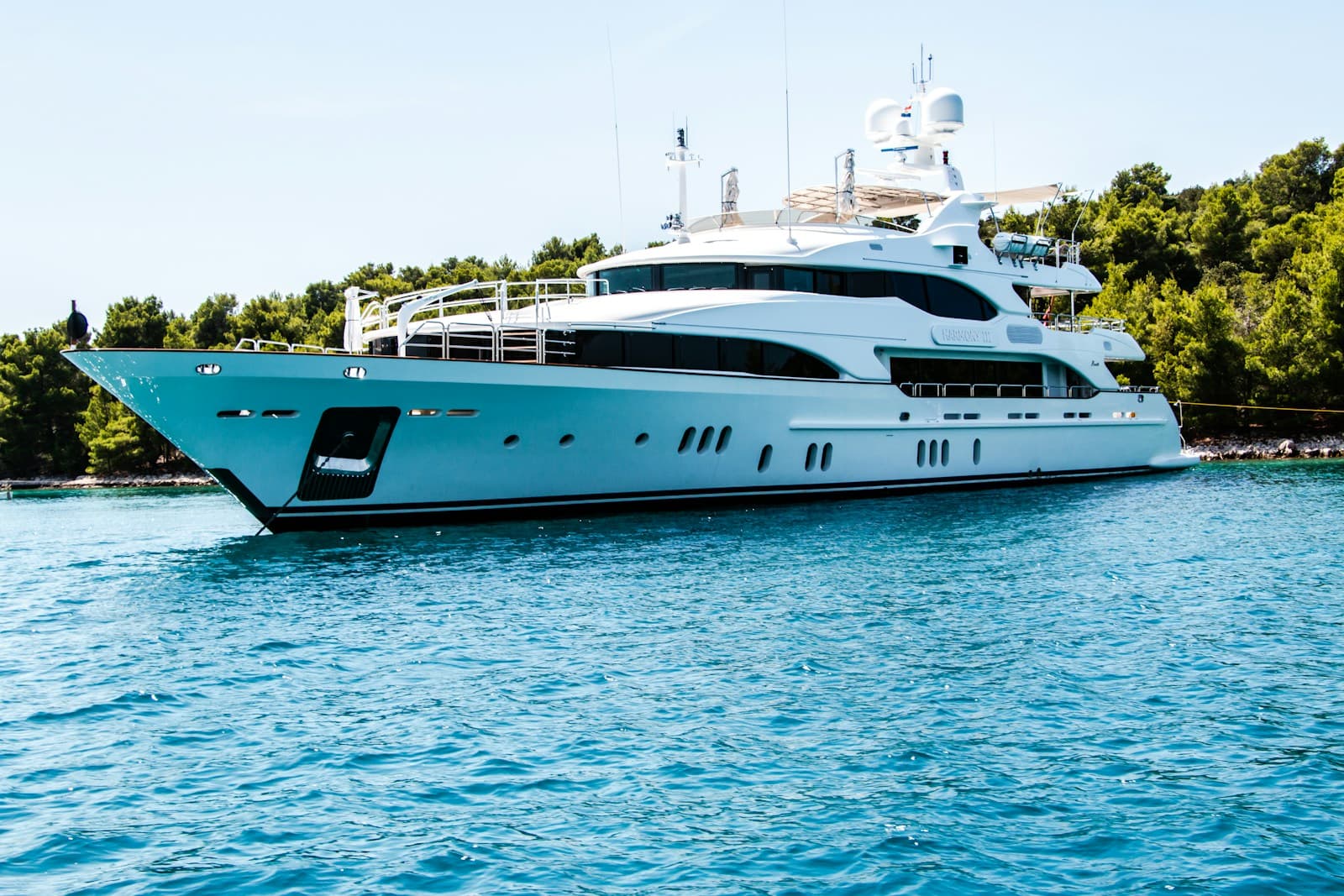
Côte d\'Azur Private Yacht | The FFGR Guide to the French Riviera by Sea
How to charter a superyacht or private boat on the Côte d'Azur: Monaco to Saint-Tropez, Cannes Film Festival logistics, anchorage selection, and what separates a true yacht charter from an online booking form.
8 min
 destinations
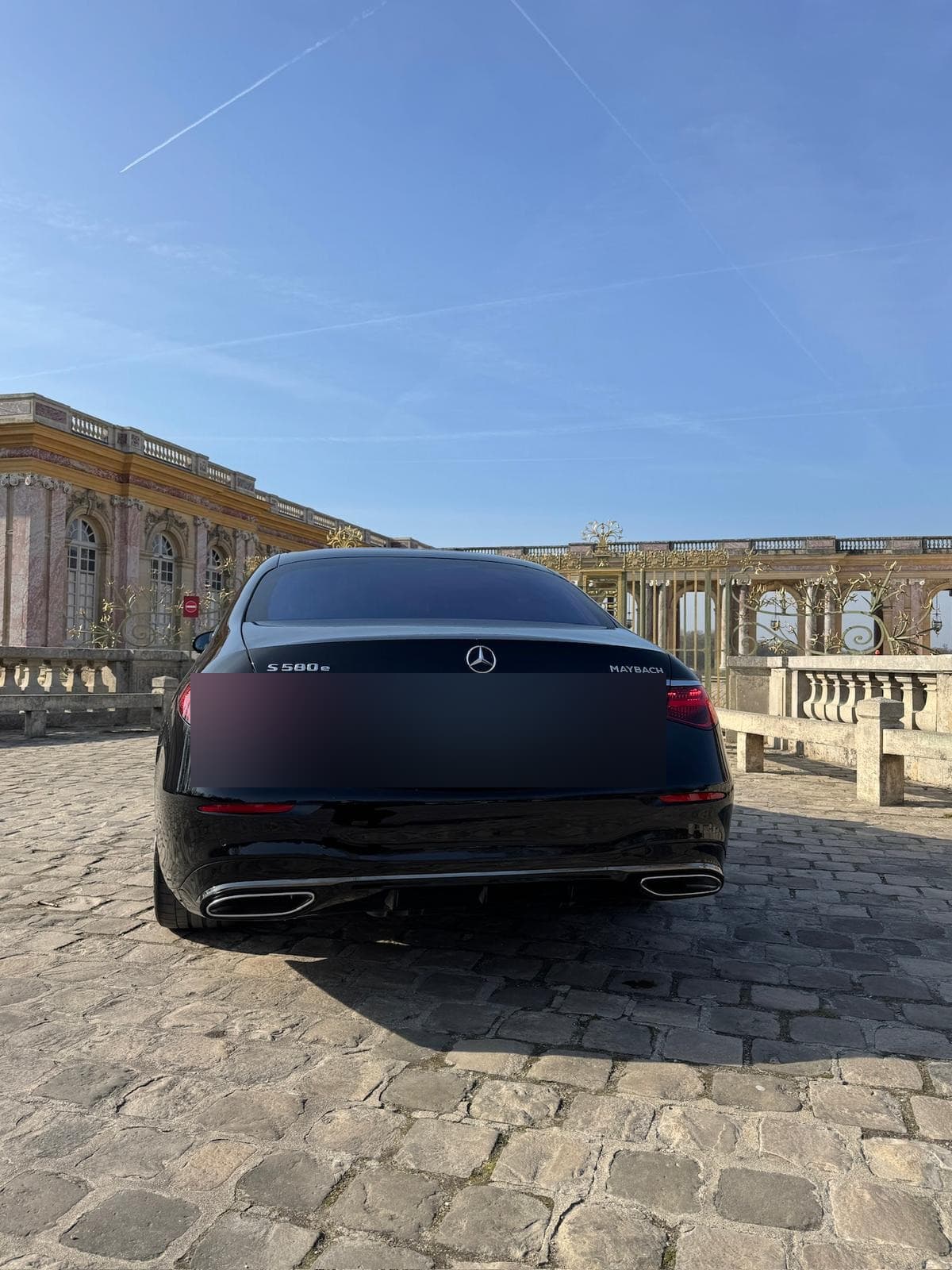
Versailles | The Private Access Guide for UHNW Visitors
How to experience the Château de Versailles as it was intended: before the crowds, after closing, with an art historian, in a Rolls-Royce. The FFGR Paris guide to private Versailles access.
8 min
 destinations
Paris to Courchevel | Private Chauffeur for the Ski Season
The definitive guide to Paris-Courchevel private chauffeur transfers: route options, vehicle selection for alpine conditions, timing the ski season, and how FFGR Paris runs the winter mountain corridor.
9 min