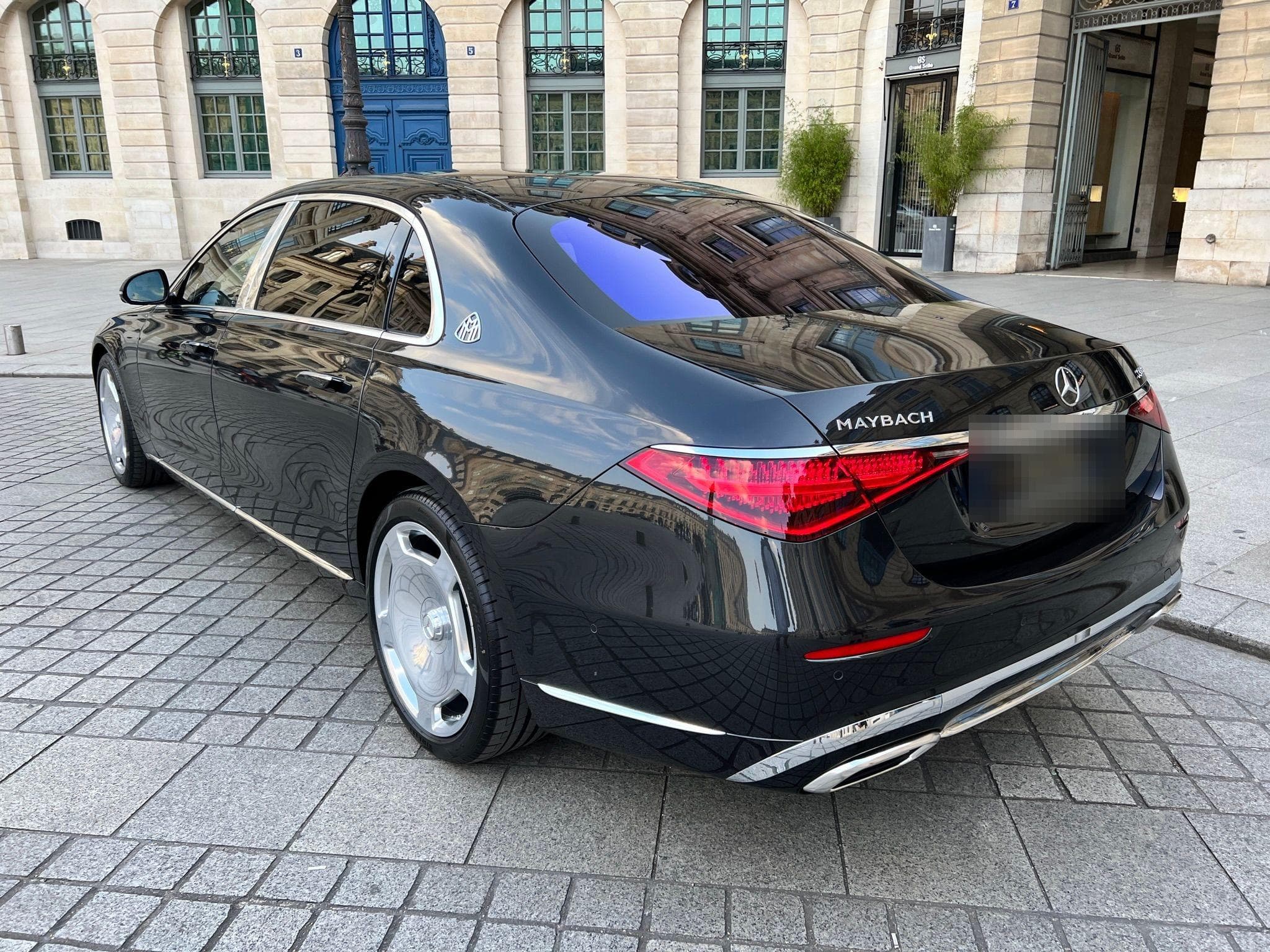
Paris est la capitale incontestée du commerce des antiquités européen. Le Marché aux Puces de Saint-Ouen à la limite nord de la ville est le plus grand marché aux antiquités du monde : une grille irrégulière de marchés couverts et de plein air s'étendant sur sept hectares, hébergeant plus de deux mille marchands en meubles, art, textiles, bijoux et objets décoratifs de toutes les périodes. Le Louvre des Antiquaires, le Carré Rive Gauche dans le 7e arrondissement, et les galeries spécialisées des 6e et 8e arrondissements complètent un circuit que collectionneurs sérieux et décorateurs d'intérieur revisitent régulièrement. Le défi logistique d'une journée antiquités à Paris : transporter des acquisitions fragiles, gérer de multiples marchands et adresses, coordonner avec expéditeurs et restaurateurs : est géré par FFGR comme un programme plutôt que comme une série de transferts séparés.
Le Marché aux Puces de Saint-Ouen : naviguer dans le plus grand marché aux antiquités du monde
Le Marché aux Puces de Saint-Ouen est situé à la frontière nord de Paris, dans la commune de Saint-Ouen, accessible depuis le centre-ville via le Périphérique. Depuis le 8e arrondissement, le trajet prend vingt à vingt-cinq minutes en dehors des heures de pointe ; depuis le Marais ou le 1er arrondissement, quinze à vingt minutes. Le marché est ouvert du samedi au lundi, le samedi matin étant la session de commerce principale où les marchands les plus importants sont présents et où s'effectue le commerce sérieux : marchands qui achètent à d'autres marchands, collectionneurs accompagnés de leurs spécialistes.
L'accès en véhicule à Saint-Ouen exige une planification spécifique. Les rues immédiatement adjacentes au marché sont étroites et souvent engorgées les jours de marché. Les chauffeurs FFGR empruntent l'approche Rue des Rosiers et positionnent le véhicule à l'entrée Serpette (le marché couvert de référence pour les marchands de qualité) ou au marché Paul Bert (pour les pièces du XXe siècle et le design). Pour les principaux UHNW accompagnés de leur décorateur ou conservateur, FFGR peut organiser un second véhicule pour conserver les acquisitions pendant que le principal continue sa visite du marché.
Les marchés clés au sein de Saint-Ouen: Serpette, Paul Bert, Biron
Saint-Ouen n'est pas un marché unique mais un ensemble de sous-marchés nommés, chacun ayant un caractère distinct. Serpette est l'adresse prestige : une galerie couverte de deux niveaux avec deux cents marchands en mobilier français des XIXe et début XXe siècle, arts décoratifs, miroirs, luminaires et objets de vitrine. Les marchands ici sont professionnels et leurs prix le reflètent ; la clientèle est internationale et comprend les départements d'achats des grandes maisons de ventes aux enchères. Paul Bert (adjacent à Serpette) est la référence pour le design du XXe siècle : mobilier milieu de siècle, verre de Murano, art graphique, bijoux vintage. Biron est un marché couvert plus ancien axé sur le mobilier français du XVIIIe siècle et antérieur ; Dauphine se spécialise dans les livres, estampes et éphémères sur papier.
Pour une visite d'acquisition ciblée, FFGR peut fournir un chauffeur familier avec la géographie de chaque marché et la logistique de chaque point d'entrée, permettant au principal ou à son décorateur de circuler entre marchés couverts sans gérer le véhicule.
Le Louvre des Antiquaires et le Carré Rive Gauche
Le Louvre des Antiquaires, situé au 2 Place du Palais Royal dans le 1er arrondissement (adjacent au Louvre), est un immeuble galerie de trois niveaux hébergeant quelque deux cent cinquante marchands spécialisés dans un environnement climatisé. Ouvert du mardi au dimanche, il se concentre sur les objets haut de gamme : mobilier signé, porcelaine importante, œuvres sur papier, et catégories spécialisées comme les instruments scientifiques, le verre et l'argenterie fine. L'accès en véhicule se fait via la Place du Palais Royal ; FFGR se positionne sur la Place ou Rue de Rivoli à la zone de dépose désignée.
Le Carré Rive Gauche dans le 7e arrondissement (les rues entre le Quai Voltaire et la Rue du Bac) est un réseau informel d'environ cent vingt galeries spécialisées, beaucoup fonctionnant sur rendez-vous uniquement. C'est là que se trouvent les principaux marchands parisiens en mobilier et arts décoratifs français des XVIIe et XVIIIe siècles : Steinitz, Artcurial (pour les ventes privées), et les galeries spécialisées Rue de Beaune et Rue Jacob. FFGR gère le véhicule pendant les visites de galeries, qui dans le 7e arrondissement peuvent impliquer des temps d'attente de trente minutes à deux heures par galerie.
Transport des acquisitions: le protocole objets fragiles
Lorsqu'un principal acquiert des objets lors d'un circuit antiquités, le transport de ces objets nécessite des protocoles spécifiques. Les objets petits, fragiles ou de très grande valeur (une pièce de porcelaine de Sèvres signée, une miniature du XVIIe siècle, une pièce en verre de Gallé signé) voyagent dans l'habitacle avec le principal plutôt que dans le coffre. FFGR transporte des matériaux d'emballage : papier de soie neutre et enveloppes rembourrées : dans le coffre du véhicule pour les acquisitions non planifiées.
Pour les acquisitions de grande taille (un bureau de Saint-Ouen, une paire de consoles sculptées du Carré Rive Gauche), le marchand organise généralement un transport d'art spécialisé. FFGR peut coordonner le retour du véhicule à l'adresse du marchand pour récupérer la pièce emballée après que le transporteur du marchand l'a mis en caisse, ou accompagner le principal chez le transporteur si une inspection avant mise en caisse est nécessaire.
Marchands spécialisés hors marchés: visites de galeries dans les 6e et 8e
Au-delà des marchés et du Carré Rive Gauche, Paris dispose d'un réseau de galeries spécialisées et de salles de marchands dans les 6e et 8e arrondissements qui opèrent hors structures de marché formelles. Le 6e arrondissement (Rue de Seine, Rue Mazarine, Rue Bonaparte) concentre les galeries d'art moderniste et du XXe siècle aux côtés de spécialistes des arts décoratifs. Le 8e arrondissement (Rue du Faubourg Saint-Honoré, Avenue Matignon) abrite les grands marchands d'art et d'antiquités qui opèrent le plus près du circuit des maisons de ventes : marchands dont les inventaires circulent entre leur galerie, Christie's et Sotheby's.
Pour un collectionneur construisant une liste d'acquisitions auprès de plusieurs spécialistes, FFGR structure la journée en disposition : le chauffeur disponible toute la journée, réactif aux déplacements du principal dans les galeries, sans calendrier fixe au-delà de l'heure de fin souhaitée.
Réserver le circuit antiquités avec FFGR Paris
Le transport pour circuit antiquités doit être réservé avec le programme de la journée fourni : les marchés et galeries à visiter, le timing prévu dans chaque lieu, et tout projet d'acquisition connu pouvant nécessiter des arrangements de transport particuliers. Le circuit Marché aux Puces de Saint-Ouen nécessite généralement une réservation véhicule demi-journée (quatre à cinq heures transferts inclus) ; un circuit complet Louvre des Antiquaires et Carré Rive Gauche est un engagement journée entière.
Contactez-nous à reservation@ffgrparis.com ou WhatsApp +33 7 43 46 14 91. Pour les clients UHNW accompagnés d'un décorateur d'intérieur ou conservateur, FFGR peut assurer la coordination de deux véhicules : un pour le principal, un pour les objets acquis et les matériaux d'accompagnement.
Réservation
Le circuit antiquités parisien, géré par FFGR, permet au collectionneur ou décorateur de se concentrer entièrement sur la décision d'acquisition, la logistique d'accès, le transport entre marchés et la manipulation des objets fragiles sont gérés par le chauffeur et le véhicule. Une journée structurée pour une acquisition sérieuse ne doit pas être alourdie par la logistique. Contactez-nous : reservation@ffgrparis.com · WhatsApp +33 7 43 46 14 91.
Réserver maintenantArticles connexes
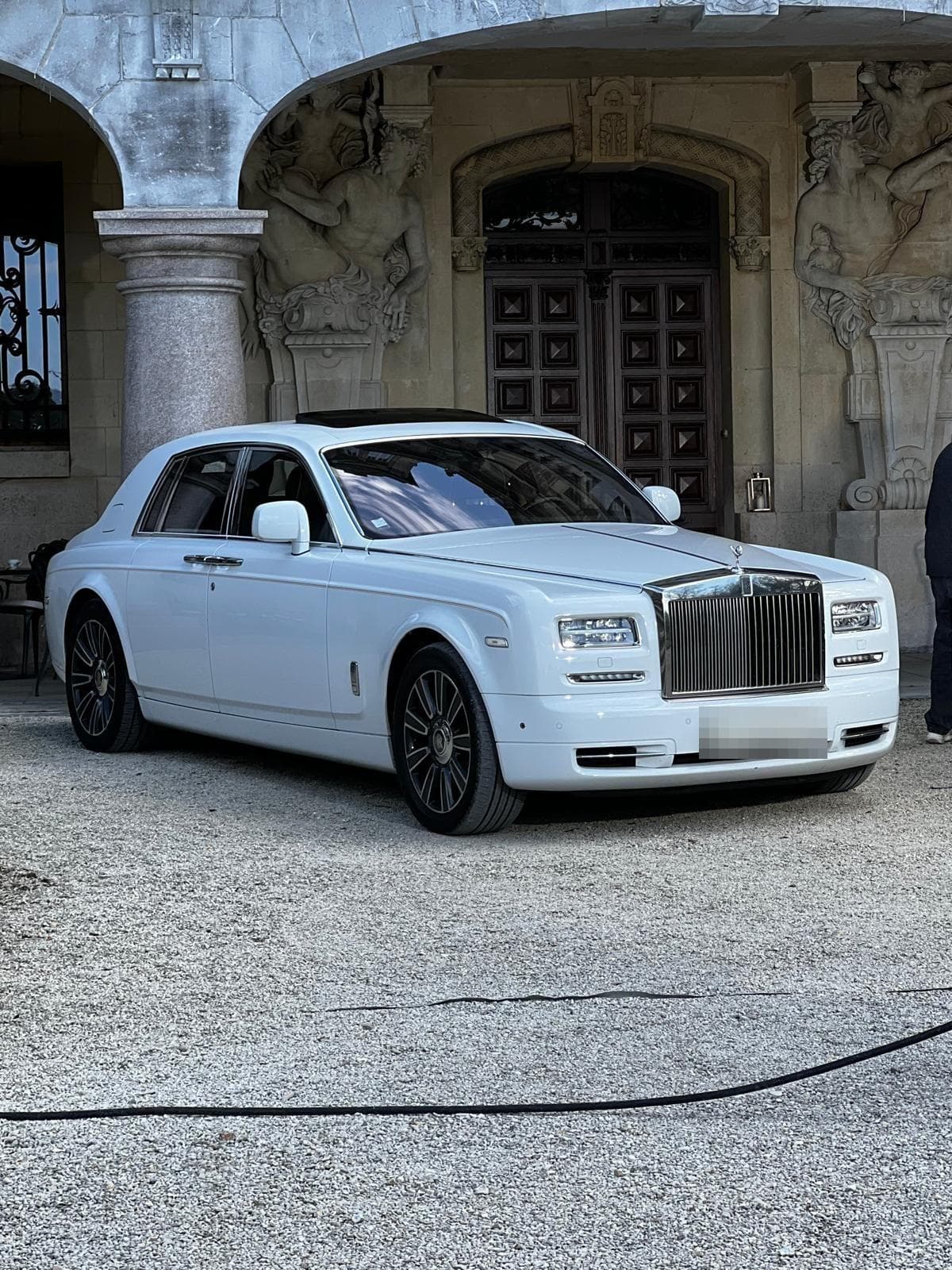 wine-art
Accès Privé au Louvre | Chauffeur VIP & Conciergerie Culturelle Paris
Au-delà de la file publique : comment FFGR Paris organise l'accès avant ouverture, les visites guidées par les conservateurs en chef, et les transferts porte-à-collection pour les collectionneurs et mécènes culturels.
8 min
wine-artSaison des Ventes à Paris | Christie's, Sotheby's & Chauffeur Privé
La logistique des deux saisons de ventes annuelles à Paris : le calendrier Christie's et Sotheby's, l'accès aux présentations privées, les transferts d'acquisitions confidentiels, et comment FFGR Paris gère le calendrier du marché de l'art.
9 min
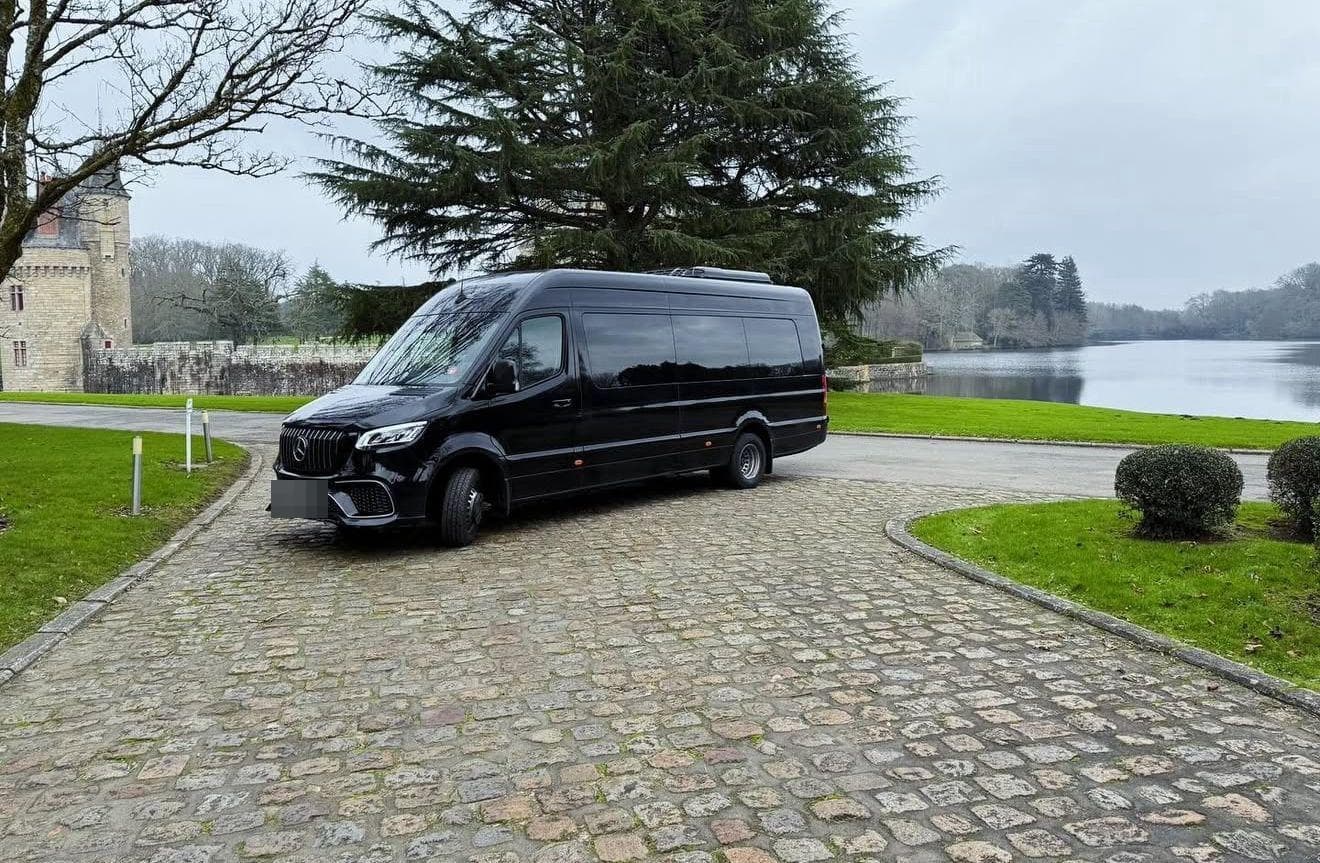 wine-art
Tour des Vins de Bordeaux | Chauffeur Privé depuis Paris
Le guide définitif du tour des vins de Bordeaux en chauffeur privé depuis Paris : circuit des châteaux du Médoc, accès Saint-Émilion, logistique de la semaine en primeur, et comment FFGR Paris gère le corridor viticole bordelais.
10 min