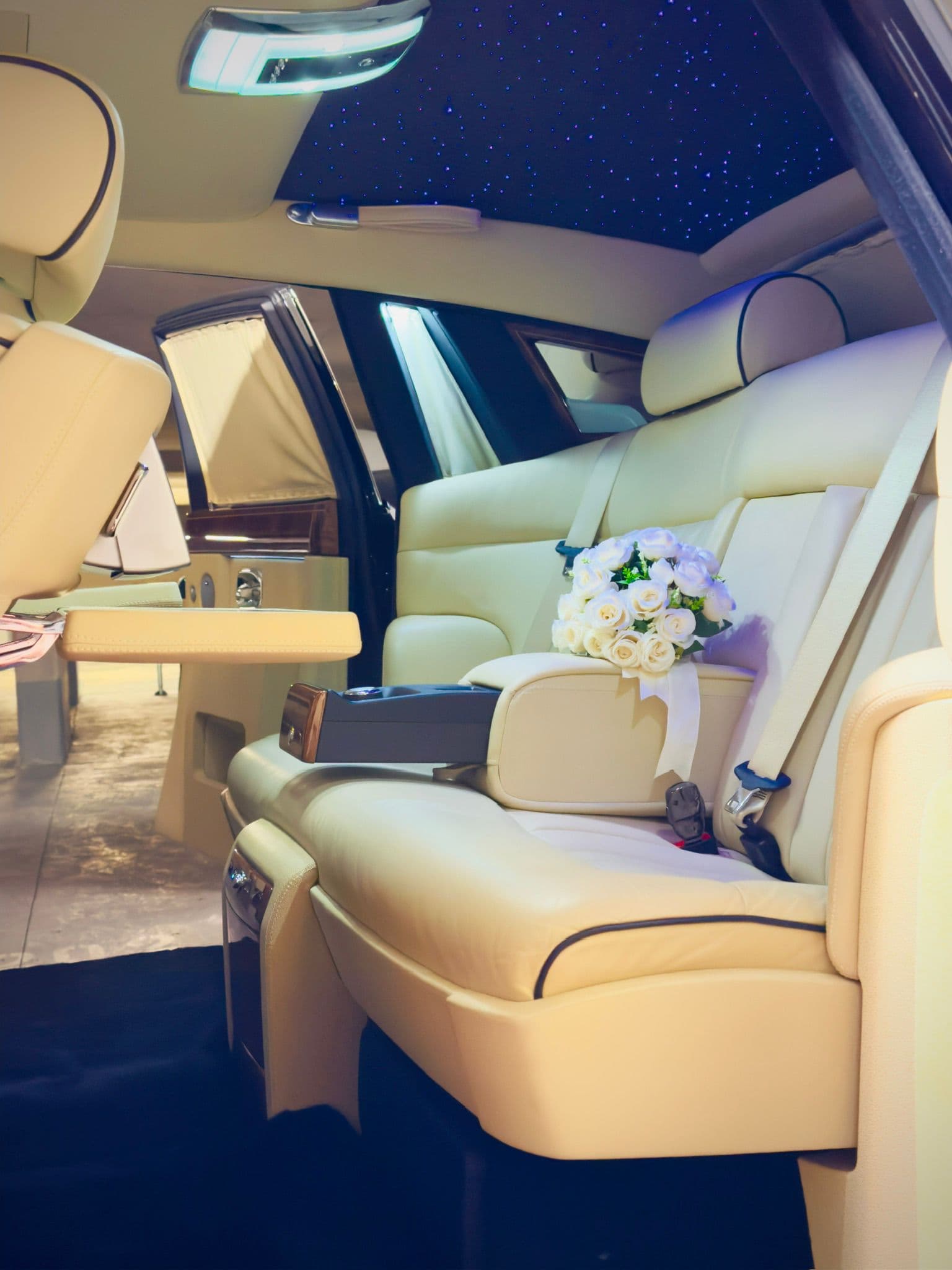
The Paris haute couture system depends on an ecosystem of specialist artisan workshops, the Métiers d'Art, that supply the embroidery, featherwork, pleating, millinery, shoe manufacture, and jewellery craftsmanship that is impossible to produce within the couture maison itself. These ateliers are largely invisible to the public: they occupy modest premises in the 1st, 2nd, 9th, and 10th arrondissements, they work exclusively for the major maisons (Chanel, Dior, Givenchy, Valentino, Balmain), and they maintain craft techniques, hand-embroidery at 200 stitches per hour, Fortuny pleating on raw silk, feather cutting and attachment, that have no industrial equivalent. CHANEL, which owns the Paraffection group (eight of the most important Métiers d'Art ateliers), opens these workshops to invited clients and institutions through structured visits. For UHNW clients, fashion industry delegations, and serious collectors of haute couture who wish to understand the technical foundation of the Paris fashion system, FFGR provides the vehicle for the complete Métiers d'Art atelier circuit.
The Lesage embroidery house: the reference of Paris haute couture embroidery
Maison Lesage (2 Rue de la Paix, 1er arrondissement, the embroidery house founded 1858, acquired by CHANEL in 2002 as part of the Paraffection group) is the most important embroidery workshop in the history of Paris haute couture: the house has executed embroidery for every major couture collection for over a century, with notable collaborations with Schiaparelli, Balenciaga, Saint Laurent, and the full contemporary couture roster.
The Lesage workshop occupies three floors at 2 Rue de la Paix, the upper floors house the working embroidery studio where the embroiderers work at traditional tambour frames (the Lesage method is primarily tambour embroidery, a chain-stitch technique using a hooked needle that allows the execution of fine continuous lines impossible in standard embroidery). The Lesage archive (the most comprehensive embroidery archive in the world, 70,000 samples covering every major couture collection from the 1920s to the present) is maintained on-site. For FFGR clients, Lesage visits are by appointment through the CHANEL Paraffection office, the visits typically combine the working studio tour, the archive consultation (with a curator presenting samples relevant to the client's specific interest), and the Lesage school programme (Lesage runs a professional embroidery school that offers courses from one day to several months).
Vehicle access to the Lesage workshop is via the Rue de la Paix (the primary approach, 100 metres from the Place Vendôme), FFGR positions on the Rue de la Paix or the Place Vendôme perimeter (the one-way counterclockwise flow from the Rue de Castiglione or the Rue de la Paix north approach).
Lognon pleating: the only house maintaining the Fortuny method
Atelier Lognon (91 Rue du Faubourg Saint-Denis, 10ème arrondissement, the pleating workshop founded 1853, today one of three pleating houses remaining in Paris, the only one still executing the Fortuny pleating method on raw silk) is the most technically extraordinary of the Métiers d'Art workshops: the Lognon method, pressing folded silk between ceramic plates heated to specific temperatures, producing permanent irregular pleats that move with the body and return to their original position when stretched, cannot be replicated by industrial means.
The Lognon workshop works exclusively for haute couture and high-end prêt-à-porter (Valentino, Dior, Givenchy, Balenciaga, Issey Miyake for his Pleats Please line) and operates from a relatively modest workshop space in the 10ème arrondissement. The visit, by appointment only, shows the complete pleating process from raw silk selection through the pressing stages to the finished pleated fabric, with the Lognon team demonstrating the handling characteristics of the finished fabric (the Fortuny-pleated silk collapses into a palm-sized object and recovers instantly to the full fabric width).
For FFGR clients, the Lognon workshop is the most kinesthetically immediate of the Métiers d'Art visits, the demonstration involves direct handling of the materials in a way that the embroidery visits (where the work requires stillness to observe) do not. Vehicle access: Rue du Faubourg Saint-Denis (A grade commercial street in the 10ème, 10 minutes from the Opera area), FFGR positions on the Rue du Faubourg Saint-Denis or the Rue des Petites Écuries (adjacent side street).
Massaro: the couture shoemakers of Chanel
Maison Massaro (2 Rue de la Paix, 1er arrondissement, the couture shoe house founded 1894 by Sebastiano Massaro, acquired by CHANEL 2002 as part of the Paraffection group) occupies the same building as Lesage (the two workshops share the premises at 2 Rue de la Paix, the ground-floor and first-floor spaces). Massaro is the only couture shoemaking house remaining in Paris that executes true bespoke footwear, shoes built on a custom-carved wooden last to the client's foot measurements, hand-lasted and hand-sewn using traditional Goodyear or hand-stitched welt construction.
The Massaro workshop produced some of the most significant shoes in couture history: the beige and black two-tone pump created for Coco Chanel in 1957 (the design that established the proportional formula still used in all Chanel shoes today), and custom pieces for Catherine Deneuve, Marlene Dietrich, and the complete Chanel haute couture roster.
For FFGR clients wishing to commission bespoke Massaro footwear, the process begins with a consultation appointment at the Rue de la Paix workshop: foot measurement session (60 minutes), last carving (2-3 weeks), test fitting, and final delivery, typical timeline 4-6 months for a bespoke commission. The workshop also operates a ready-to-wear line and receives visitors by appointment for discovery tours of the workshop (the last room, the lasting floor, the finishing room, a complete tour of traditional couture shoemaking as it has been executed at this address since 1894).
Goossens, Lemarié and the complete Paraffection circuit
The CHANEL Paraffection group (the holding structure for the eight Métiers d'Art workshops owned by CHANEL) comprises, beyond Lesage and Massaro, the following ateliers:
**Lemarié** (15 Rue du Dragon, 6ème arrondissement, the featherwork and millinery workshop founded 1880, the house that produces Chanel's camellia flowers and the feather accessories of the runway collections): the Lemarié workshop demonstrates the processing of ostrich, marabou, pheasant, and exotic feathers, dyeing, cutting, curling, and attachment, the craft that has no machinery equivalent. The camellia flowers (produced at Lemarié in silk organza, crepe satin, and feather) are the most recognisable individual craft object of the Chanel aesthetic.
**Goossens** (the jewellery and goldsmith workshop, now relocated within the Chanel atelier complex at Rue du Faubourg Saint-Honoré area): the house founded by Robert Goossens in 1954 for Coco Chanel's jewellery, the Byzantine cross necklaces, the cascading crystal work, the coral and amber pieces.
**Causse** (gloves, 40 Rue de la Chaussée d'Antin, 9ème, the last couture glove house in Paris, producing for Chanel and multiple luxury houses).
**Michel** (millinery, 4 Rue Grange-Batelière, 9ème, the hat workshop producing Chanel's complete millinery programme).
For the complete Paraffection circuit, FFGR structures a full-day programme visiting 3-4 workshops, with the vehicle moving between the 1st, 6th, 9th, and 10th arrondissements across the day. The visits require coordination 4-6 weeks in advance through the CHANEL Paraffection hospitality programme.
Independent Métiers d\'Art ateliers: Maison Michel, Vermont and the independent houses
Beyond the Paraffection group, a number of independent couture workshops remain active in Paris and accept visits for qualified institutions and collectors:
**Vermont** (7 Rue du Marché Saint-Honoré, 1er, the couture embroidery house working primarily for Dior, Givenchy, and independent French designers): visits by appointment for design school groups and collectors.
**Guillet** (7 Rue du Marché Saint-Honoré, 1er, the artificial flower workshop, the last in Paris producing silk flowers by the traditional hand-cutting and wiring methods): the Guillet silk flowers (for Dior, Valentino, Chanel) are produced in the same building as Vermont, occupying a multi-floor craft complex in the 1er arrondissement.
**Serge Roche** (the bouclé weaving workshop for Chanel tweed at the Montex atelier): the Chanel tweed, the woven textile that is the maison's most recognisable material, is woven at the Montex workshop, operating from the outer Paris region.
For fashion industry delegations and design school groups from ESMOD, Parsons Paris, the IFM, or international fashion education programmes, FFGR provides the vehicle for the structured Métiers d'Art educational circuit, the programme that contextualises the technical skills behind the Paris couture system for students and professionals.
Booking the FFGR Métiers d\'Art atelier circuit
The Paris Métiers d'Art atelier visit circuit requires advance coordination that FFGR facilitates as part of the vehicle programme:
For the CHANEL Paraffection workshops (Lesage, Massaro, Lemarié, Goossens, Michel, Causse), visits must be requested through the CHANEL Paraffection hospitality programme, available to couture clients, industry professionals, and institutional groups. FFGR provides the vehicle logistics for approved visits, with the vehicle available for multi-atelier circuits within the same day.
For independent workshops (Vermont, Guillet, Lognon), direct appointment booking is possible for industry professionals and institutional groups, FFGR can facilitate the initial contact and coordinate the visit timing with the vehicle schedule.
For UHNW clients wishing to commission bespoke work (a Lesage embroidered jacket, a Massaro bespoke shoe, a Goossens jewel), FFGR provides the vehicle for the consultation appointment, the fitting appointments across the production timeline, and the final collection visit, a programme that typically spans 3-6 months for a complete commission.
Contact us at reservation@ffgrparis.com or WhatsApp +33 7 43 46 14 91.
Reserva
The Paris Métiers d'Art circuit, Lesage embroidery, Lognon pleating, Massaro bespoke footwear, Lemarié featherwork, and the complete Paraffection group ateliers, constitutes the technical foundation of the Paris haute couture system, invisible to standard fashion tourism and accessible only through the vehicle programme that connects these workshops across the 1st, 6th, 9th, and 10th arrondissements. FFGR provides the vehicle for the complete Métiers d'Art atelier circuit in Paris. Contact us: reservation@ffgrparis.com · WhatsApp +33 7 43 46 14 91.
Reservar agoraArtigos relacionados
 fashion
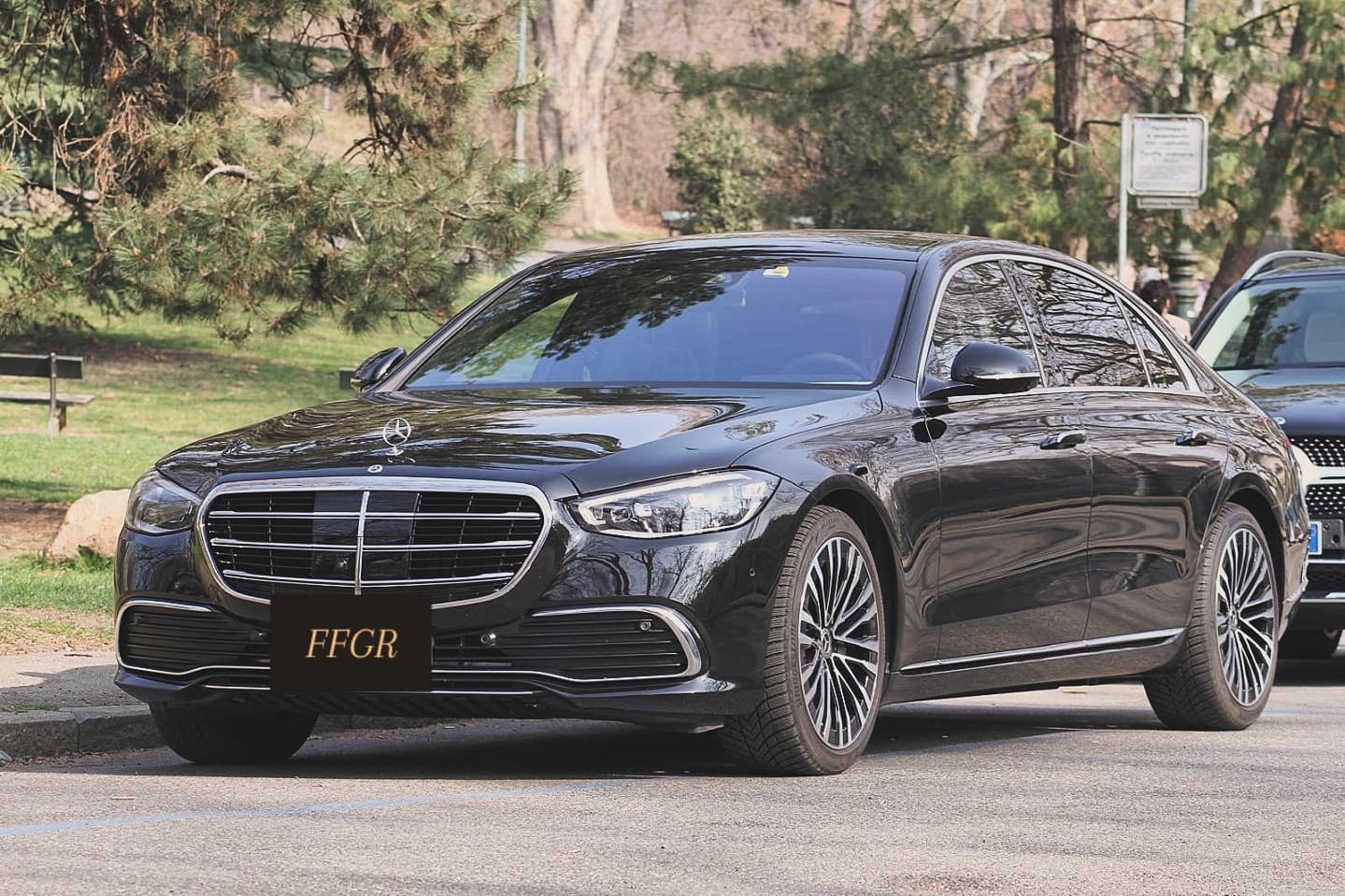
Paris Fashion Week | Behind the Velvet Rope
How FFGR Paris coordinates 40 vehicles simultaneously during Paris Fashion Week: the dispatch logic, show-timing precision, and after-party choreography for buyers, designers, and family offices.
7 min
 fashion
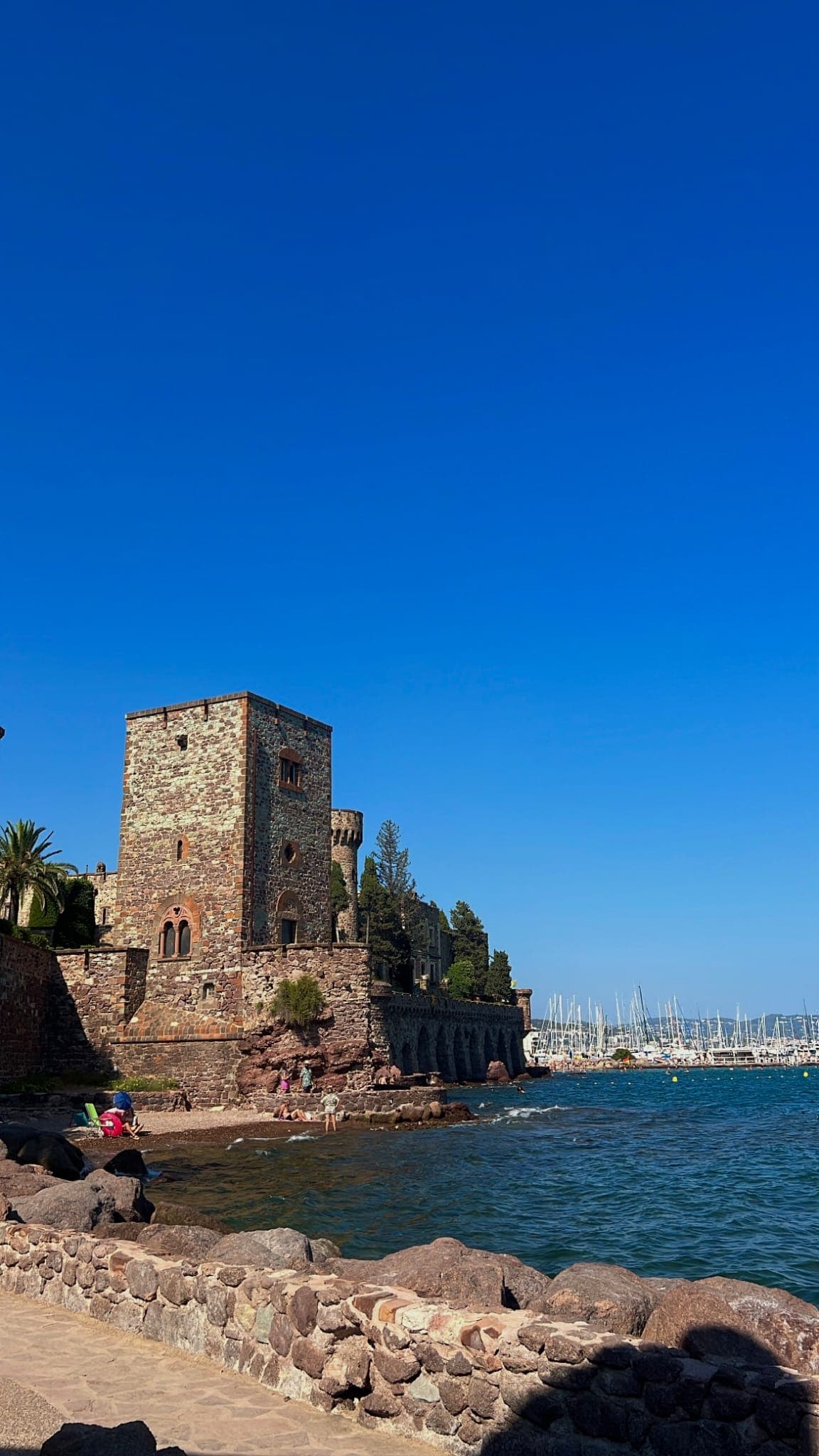
Cannes Film Festival | Private Chauffeur & VIP Ground Logistics
How FFGR Paris manages ground transport during the Festival de Cannes: Palais arrivals, Croisette protocols, villa transfers, and the operational realities of the most photographed red carpet in Europe.
9 min
 fashion
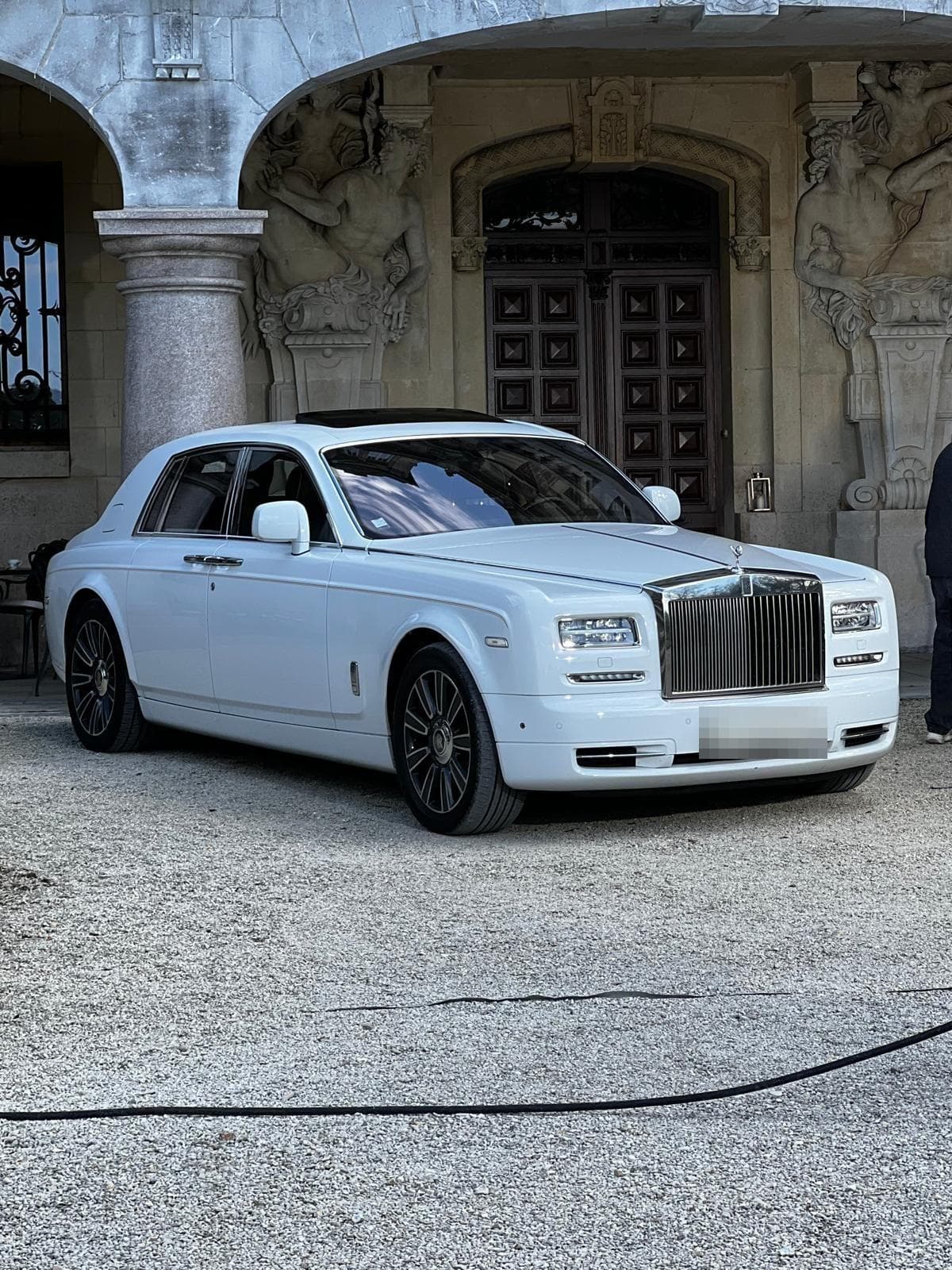
Paris Personal Shopping | Private Chauffeur & Luxury Retail Circuit
How FFGR Paris supports the personal shopping experience: golden triangle boutique circuit, private viewing access at Chanel and Hermès, discreet acquisition transport, and coordinating the Paris luxury retail day for UHNW clients.
9 min