Paris is the birthplace of cinema, the first public film screening in history took place in the basement of the Grand Café (14 Boulevard des Capucines 75009) on 28 December 1895, when Louis and Auguste Lumière projected their first ten short films for a paying audience of 33 people. From that evening, France has maintained an unbroken cultural and industrial relationship with cinema that is unique in the world: the most generous public financing system for film production (the CNC, Centre National du Cinéma, with an annual budget of approximately €750 million funded by a levy on cinema tickets, television revenues, and streaming platforms), the strongest auteur tradition in world cinema (the Nouvelle Vague, the Cinéma du Look, the new generation of Céline Sciamma, Mia Hansen-Løve, and Bertrand Bonello), and the most important film festival in the world (Cannes, 2 hours from Paris by TGV). FFGR provides the transport for film executives, producers, directors, and UHNW investors navigating the Paris film circuit.
Gaumont: the world\'s oldest film company
Gaumont (30 Avenue Charles de Gaulle 92200 Neuilly-sur-Seine, at the western end of the Champs-Élysées axis, in Neuilly, accessible via the Pont de Neuilly métro station) :
**The history:** Gaumont was founded in 1895 by Léon Gaumont (1864-1946), an optical instrument manufacturer who became interested in cinema through his supplier relationship with the Lumière brothers. Gaumont is the oldest film company in the world in continuous operation, predating Universal (1912), Paramount (1914), and every other major studio by at least 17 years. Léon Gaumont introduced the first synchronised sound-on-film system in 1902 (the Chronophone, six years before The Jazz Singer is conventionally cited as the first sound film), the first colour motion picture system in France in 1912 (Chronochrome), and built the first purpose-built cinema in Paris (the Gaumont Palace, the largest cinema in the world at its opening in 1911, with 3,400 seats, on the Rue Caulaincourt in Montmartre, demolished in 1973).
**The contemporary Gaumont:** The current Gaumont group (owned by the Seydoux family, the same family as Nicolas Seydoux, chairman, and Jérôme Seydoux, honorary president; Jérôme Seydoux has been chairman of Pathé since 1990) is the leading integrated entertainment company in France, with: the Gaumont cinema chain (approximately 100 cinemas in France, including the flagship Gaumont Champs-Élysées complex at 84 Avenue des Champs-Élysées), Gaumont Film Company (the production and distribution subsidiary, with a library of over 1,000 films including the entire back catalogue of the Lumière brothers), and Gaumont Television.
**The Fondation Jérôme Seydoux-Pathé:** The Fondation Jérôme Seydoux-Pathé (73 Avenue des Gobelins 75013, in the 13th arrondissement, in a building by Renzo Piano, the architect of the Centre Georges-Pompidou, opened 2014) is the most important French cinema archive and museum, holding the production records, posters, equipment, and films of both Gaumont and Pathé from their respective founding dates. The archive is open to researchers by appointment and hosts public screenings of restored silent films.
Pathé: the co-producer of Oppenheimer and the European film powerhouse
Pathé (2 Rue Lamennais 75008, at the intersection of the Avenue de Friedland and the Rue de Berri, in the 8th arrondissement, 300 metres from the Arc de Triomphe) :
**The history:** Charles Pathé (1863-1957) was the rival and commercial superior of Léon Gaumont from the first decade of cinema, by 1908, Pathé Frères was the largest film company in the world (producing more films annually than all American studios combined, with production operations in France, Britain, Russia, Italy, and the United States). Pathé introduced the standard 35mm film format (in the 1890s, when the Lumière brothers had used various formats), produced the first newsreel series (Pathé News, 1908, continued until 1970), and distributed the work of the American director D.W. Griffith in Europe.
**The contemporary Pathé:** Jérôme Seydoux's Pathé is the most internationally active French film company, co-producing and distributing films that have won the Palme d'Or, the Oscar, and the BAFTA with regularity. Recent co-productions include: Christopher Nolan's Oppenheimer (2023, co-produced with Universal, with Pathé's €30 million investment representing the largest single French investment in an English-language film), Jonathan Glazer's The Zone of Interest (2023, Cannes Palme d'Or, Oscar for Best International Feature Film), and Florian Zeller's The Father (2020, Oscar for Best Actor for Anthony Hopkins and Best Adapted Screenplay). Pathé's Paris headquarters is also the base for the company's cinema circuit in France (approximately 90 cinemas) and Switzerland.
**The Cannes connection:** Pathé is the dominant French company on the Cannes Film Festival circuit, maintaining a permanent presence on the Croisette during the 12 days of the festival (early May), hosting nightly screenings and events in its private villa and at the Palais des Festivals. FFGR provides the vehicle management for Pathé's Cannes delegation, as well as the Paris-Cannes shuttle (3h30 by private car, the preferred option for executives with morning meetings in Paris and evening screenings in Cannes).
Canal+: the creator of the French film financing model
Canal+ (1 Place du Spectacle 92130 Issy-les-Moulineaux, in the Hauts-de-Seine, accessible via the Corentin Celton or Issy-Val de Seine métro stations, or in 15 minutes from central Paris via the D7 riverside road) :
**The institution:** Canal+ was founded in 1984 by André Rousselet (a close friend of President François Mitterrand) as France's first pay television channel, and immediately became the most important single source of film financing in Europe through its legal obligation to pre-purchase a fixed percentage of its annual revenues for French film production (currently approximately 12.5% of revenues, representing approximately €350 million per year, the largest single source of private film financing in Europe). The Canal+ model of pay-TV film financing has been replicated in Italy (RAI Cinema), Spain (Canal Sur), and Germany (ZDF) but has been most successful in France.
**The production portfolio:** Canal+ has co-produced or pre-purchased distribution rights for virtually every significant French film of the last 40 years, including the complete filmographies of Luc Besson, Jean-Pierre Jeunet (Amélie, 2001, the highest-grossing French film in history, with $174 million worldwide), Jacques Audiard (Un Prophète, 2009, Grand Prix at Cannes; Rust and Bone, 2012), Michael Haneke (the Austrian-French director whose French-language productions, Caché, 2005; Amour, 2012 Palme d'Or, are essentially Canal+ productions), and the generation of contemporary auteurs including Céline Sciamma, Mia Hansen-Løve, and Bruno Dumont.
**Canal+ and streaming:** Since 2020, Canal+ has been engaged in a complex response to the disruption of streaming, it distributes Amazon Prime Video and Apple TV+ in France as a bundled service, has invested in the French streaming platform myCanal, and maintains its traditional pay-TV subscriber base of approximately 8 million in France and 26 million internationally (primarily through its African operations, Canal+ is the dominant pay-TV provider in sub-Saharan Africa, with operations in 24 countries).
The CNC: France\'s unique film financing system
Centre National du Cinéma et de l'Image Animée (CNC, 12 Rue de Lübeck 75116, in the 16th arrondissement, in the Trocadéro district, adjacent to the Musée de l'Homme and the Cité de l'Architecture) :
**The institution:** The CNC is the French government body responsible for the regulation, promotion, and financing of cinema, audiovisual, and digital image industries in France, with an annual budget of approximately €750 million (in 2023), funded by: a levy of 10.72% on cinema ticket revenues (the most important single source), a levy of 5.5% on television broadcast revenues, and a levy on streaming platforms (introduced in 2021 following the French implementation of the EU Audiovisual Media Services Directive, requiring platforms like Netflix, Amazon, and Disney+ to invest 20-25% of their French revenues in French content).
**The funding mechanism:** The CNC's support system for French cinema (the compte de soutien, the mutual support account) is the most sophisticated public film financing mechanism in the world: films receive automatic support (a percentage of their ticket revenues returned as a credit for future productions), selective support (cash grants for scripts, development, and production), and co-production support (for films with partner countries in the network of 50+ French bilateral co-production treaties). The system has allowed France to maintain a domestic production volume of 200-250 films per year, more than any other European country.
**The IFCIC:** The Institut pour le Financement du Cinéma et des Industries Culturelles (IFCIC, 46 Avenue Kleber 75116) is the specialised financial institution that provides guarantees and loans to film production companies, using the CNC support accounts as collateral. FFGR can coordinate the logistics for industry visits to the CNC and the IFCIC for international producers and investors navigating the French film financing system.
The Paris film location circuit
Paris has been the world's most filmed city for 130 years, a status that generates a constant film production activity that has specific logistical implications for transport:
**The principal film locations:** the iconic Paris film locations that generate the highest density of production activity include: the Pont de Bir-Hakeim (the iron bridge in the 15th/16th arrondissement, used in Inception by Christopher Nolan, Midnight in Paris by Woody Allen, Last Tango in Paris by Bertolucci, the most-filmed bridge in the world), the Marché d'Aligre (12th arrondissement, used in countless French art films for its authenticity), the Passage des Panoramas (11 Boulevard Montmartre 75002, the oldest surviving covered gallery in Paris, used extensively in period productions), and the rooftops of Haussmann buildings in the 5th, 6th, and 7th arrondissements (licensed for aerial shots via the Préfecture de Paris).
**The Commission du Film d'Île-de-France:** The Commission du Film d'Île-de-France (CFC, 11 Rue du Colisée 75008) is the Paris region film office that manages location permits, liaison with the Préfecture de Police, and the practical coordination of film production in Paris. FFGR maintains a working relationship with the CFC and can facilitate the vehicle logistics for location scouting and production support.
**The film industry circuit:** for international production companies establishing Paris operations (hiring local crew, location scouting, regulatory compliance), FFGR provides the executive transport between the production office, the CNC, the Canal+ acquisition department, the principal agents and casting directors, and the Parisian studio facilities (Studios de Boulogne, 23 Rue du Château 92100 Boulogne-Billancourt; Studios de Vincennes, 47 Rue de Fontenay 94300 Vincennes).
Booking the Paris film industry circuit
FFGR structures the Paris cinema and film industry transport for several profiles of client engagement :
**The industry executive circuit:** hotel → Canal+ (Issy-les-Moulineaux, 15 minutes from central Paris) → lunch in the 8ème → Pathé or Gaumont headquarters (Neuilly, 20 minutes from the 8ème) → CNC (16th, 15 minutes from Neuilly) → evening premiere at the Cinémathèque Française (51 Rue de Bercy 75012, the Frank Gehry building in the 12th arrondissement, the leading film archive and screening institution in France) or the MK2 Bibliothèque (128-162 Avenue de France 75013).
**The Cannes shuttle:** FFGR provides the Paris-Cannes executive shuttle during the Cannes Film Festival (May), 3h30 door-to-door in a Mercedes S-Class or V-Class. The preferred routing follows the A7 via Lyon to Cannes, arriving at hotel on the Croisette. Pre-festival and post-festival transfers from Nice Côte d'Azur airport (30 minutes from Cannes) are also available.
**The production support transport:** during Paris film productions using UHNW talent (directors, producers, talent at the level requiring private transport), FFGR provides the on-set vehicle management, coordinating with the production transport coordinator, maintaining driver availability for 12-16 hour shooting days, and managing the airport transfers for international talent.
Contact us at reservation@ffgrparis.com or WhatsApp +33 7 43 46 14 91.
Reservering
The Paris cinema circuit, from the birthplace of film at the Grand Café (28 December 1895) to Gaumont's archives, from Canal+'s Issy headquarters to the CNC in the 16th, from the Pont de Bir-Hakeim to the Cannes shuttle, represents the most complete film culture in the world. FFGR provides the transport for film executives, producers, directors, and UHNW investors navigating this ecosystem. Contact us: reservation@ffgrparis.com · WhatsApp +33 7 43 46 14 91.
Nu boekenGerelateerde artikelen
 prestige
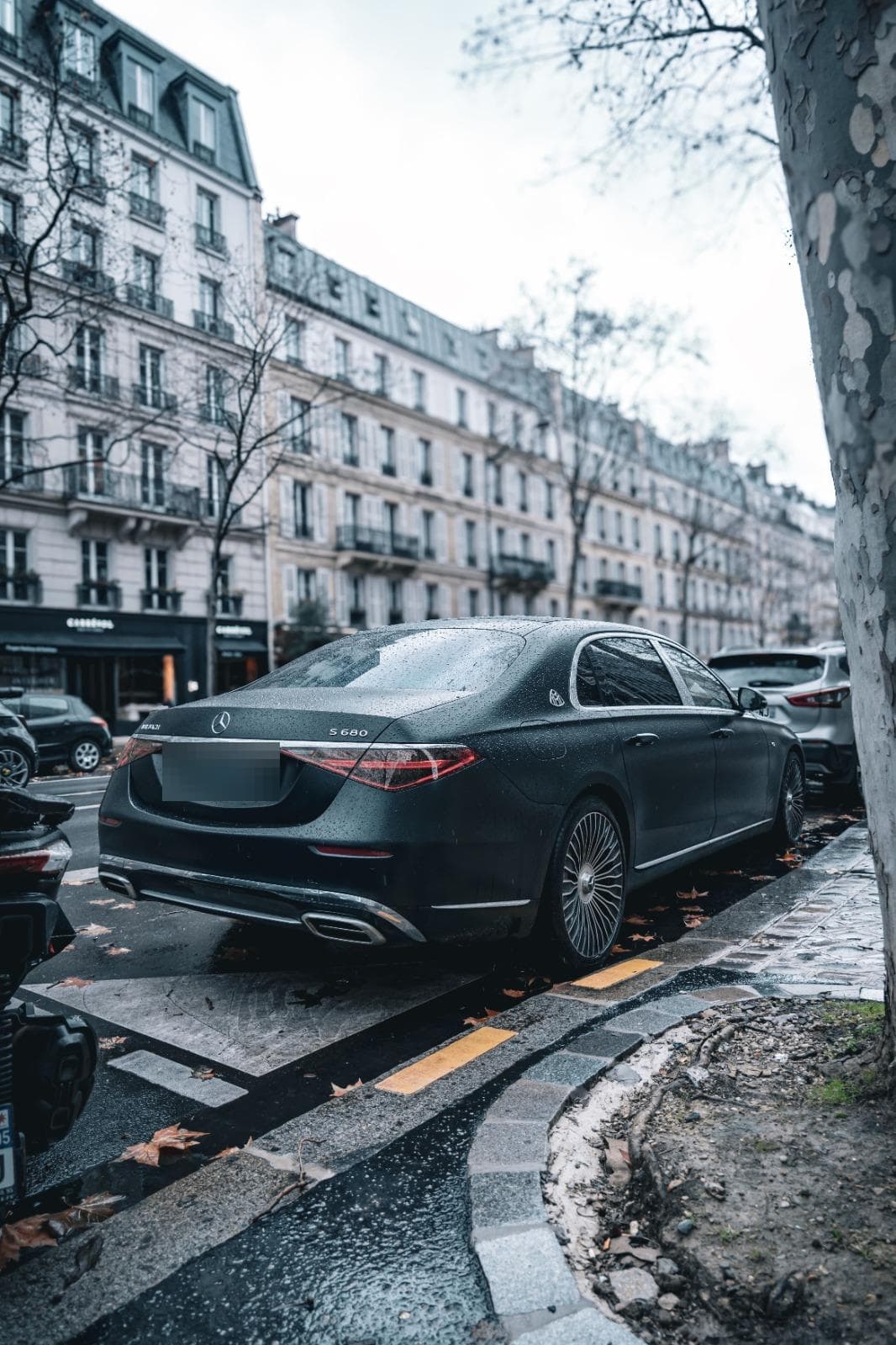
Paris Private Chauffeur | The Complete Insider Guide
Everything a UHNW traveler needs to know about private chauffeur services in Paris: CDG protocols, the ZTL arrondissement rules, how to navigate the Périphérique during Fashion Week, and what FFGR Paris delivers that a taxi app cannot.
9 min
 prestige
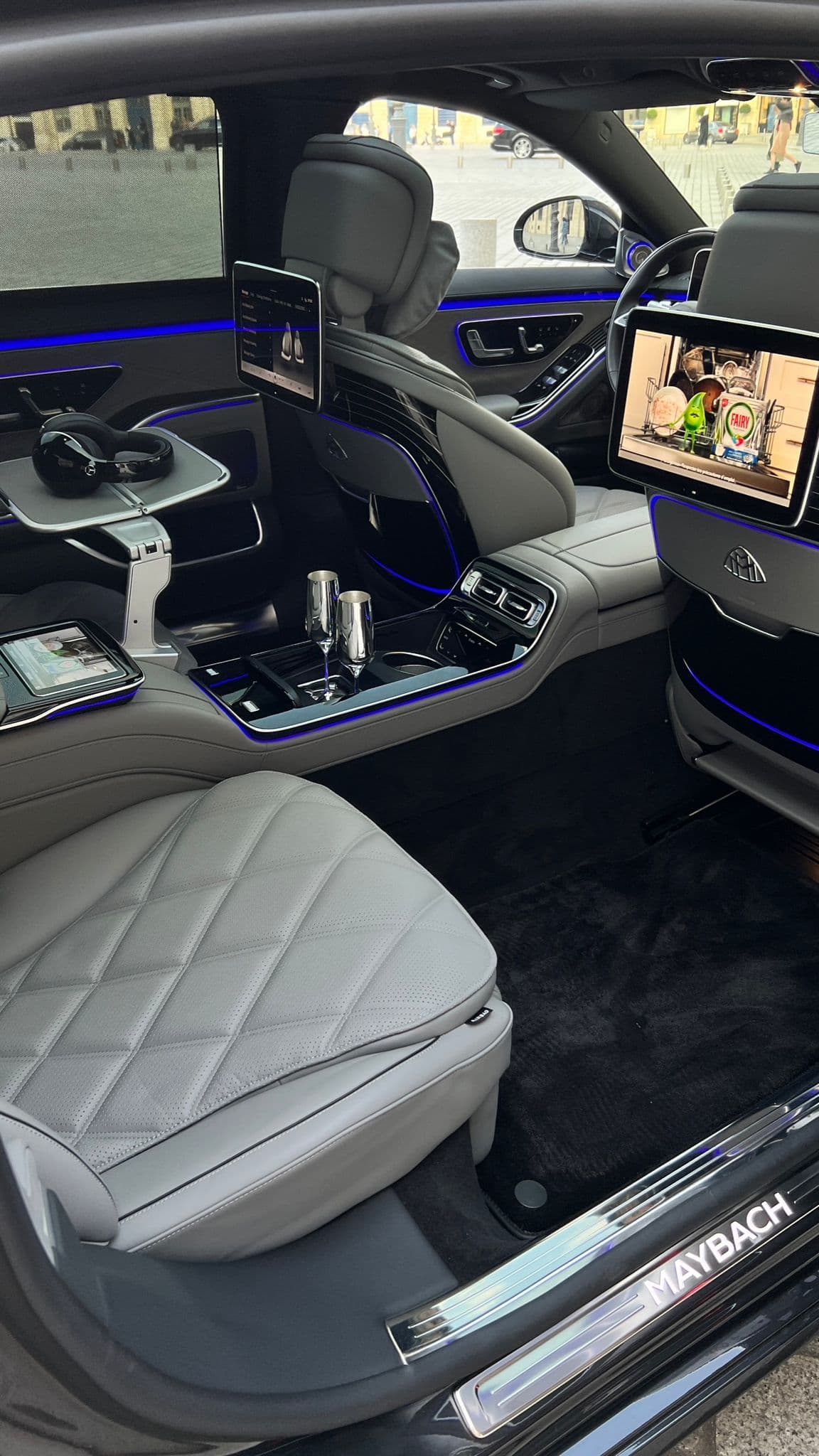
CDG Airport Transfer Paris | The FFGR Private Arrival Protocol
How FFGR Paris orchestrates private transfers from Charles de Gaulle: apron access, La Première protocols, ZFE compliance, and the exact sequence that gets a principal to the 8th arrondissement in under sixty minutes.
8 min
 prestige
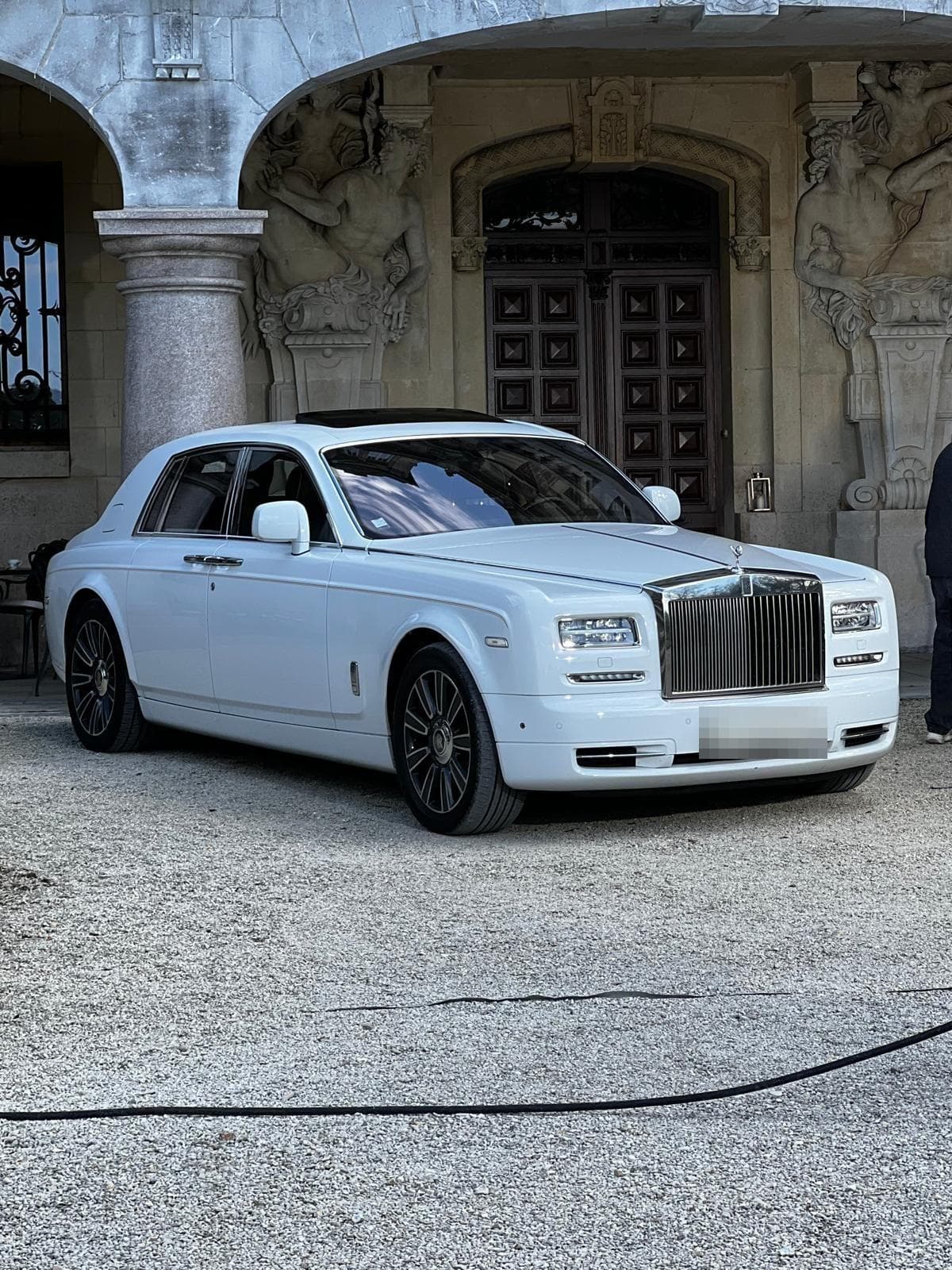
Paris New Year\'s Eve | Private Chauffeur & VIP Midnight Transfer
How FFGR Paris operates New Year's Eve: Champs-Élysées midnight access protocols, pre-booked vehicle positioning, private dinner transfers, and why NYE is the one night in Paris when ground transport planning is not optional.
8 min