The Languedoc, the broad arc of southern France from the Rhône delta in the east to the Pyrenean foothills in the west, encompassing the departments of Gard, Hérault, Aude, and Pyrénées-Orientales, is among the least-visited of France's great historic regions despite containing some of the most extraordinary medieval and Roman heritage in Europe: Carcassonne (the largest intact medieval fortified city in the world), the Pont du Gard (the best-preserved Roman aqueduct), the Maison Carrée in Nîmes (the best-preserved Roman temple), and the Cathar châteaux network of the Corbières mountains. The A75 motorway, which runs south from Clermont-Ferrand through the Massif Central to Béziers and includes the Millau Viaduct (the world's tallest cable-stayed bridge, 343 m at the highest pylon), makes the Languedoc directly accessible from Paris via the A6/A75, a route that crosses some of the most dramatic inland landscape in France before descending to the Mediterranean coast. Paris to Carcassonne is 790 km via the A6/A75/A9 (7h-7h30); Paris to Montpellier is 750 km (6h30-7h). FFGR structures the Languedoc programme as a two- to three-day circuit from Paris.
Paris to Languedoc: routes and the Millau Viaduct crossing
The two principal routes from Paris to the Languedoc:
**Via A6/A75 (the Massif Central route, FFGR preferred for the complete programme):** Paris → A6 to Clermont-Ferrand (A71/A75 junction, 415 km, 3h30) → A75 south through the Massif Central → Millau Viaduct (700 km from Paris, toll €8-10 passenger vehicle) → A75 south to Béziers → A9 west to Carcassonne (790 km total, 7h-7h30) or east to Montpellier (750 km, 6h30-7h). The A75 through the Massif Central and the Millau Viaduct is one of the most dramatic road routes in Europe, the motorway traverses the plateau of the Larzac (the limestone causses at 800m altitude), the Tarn Gorges (700m below the bridge deck), and the Languedoc coastal plain in sequence.
**Via A6/A7/A9 (the Rhône Valley route, faster, less spectacular):** Paris → A6 to Lyon → A7 south (Autoroute du Soleil) → Nîmes → A9 west to Montpellier or Carcassonne. Paris to Montpellier 755 km, 6h30-7h.
For the two-day programme from Paris: - Day 1: Paris 06h00 → Millau Viaduct stop (photo, café, 30 min) → Montpellier lunch → Carcassonne afternoon-evening (La Cité, Hôtel de la Cité) - Day 2: Cathar châteaux circuit (Peyrepertuse, Quéribus) → return Paris via A9/A7/A6, depart 16h00, arrive Paris 23h00-23h30
Carcassonne: La Cité médiévale and the Cathar heritage
Carcassonne (11000 Carcassonne, Aude) is the largest intact fortified medieval city in Europe: a double-walled citadel (La Cité) covering 12 hectares on a hill above the Aude river, with 3 km of ramparts, 52 towers, a château comtal (the inner castle), and the Basilique Saint-Nazaire (the Romanesque-Gothic church begun in the 11th century with a 13th-century Gothic choir containing the most important medieval stained glass in the Languedoc). UNESCO inscription: 1997.
The current walls of Carcassonne reflect two construction periods: the Gallo-Roman towers (3rd-4th century, the original castrum) and the medieval French royal phase (12th-14th century, particularly under Louis IX and Philip III after the 1229 Treaty of Paris that ended the Albigensian Crusade). The Albigensian Crusade (1209-1229), launched by Pope Innocent III against the Cathar heresy that was particularly strong in the Languedoc, shaped the entire fortification history of the region: Carcassonne fell to Simon de Montfort in 1209, and the subsequent French royal construction transformed it into the military architecture that survives today.
Hôtel de la Cité (Place Auguste-Pierre Pont, 11000 Carcassonne, the reference address of Carcassonne, located within the medieval walls, 5-star, the only hotel inside La Cité) provides the most exceptional positioning for the Carcassonne programme: guests access the illuminated rampart walk at night after the day-visitors have left.
The Ville Basse (the lower town, across the Pont Vieux from La Cité): the Place Carnot market (Tuesday, Thursday, Saturday mornings, the primary produce market of the Aude), the Canal du Midi (the 17th-century canal connecting the Atlantic to the Mediterranean, UNESCO 1996, navigable from Carcassonne to the sea through 91 locks, a navigation programme of 8-10 days for private boat hire).
The Cathar châteaux: Peyrepertuse, Quéribus, and Montségur
The Cathar châteaux (the network of Cathar fortress-strongholds in the Corbières mountains and the Pyrenean foothills, built or occupied by the Cathar communities before and during the Albigensian Crusade of 1209-1255) represent the most dramatic fortification landscape in France: vertical cliff-edge ruins at altitudes of 600-900m, commanding the mountain passes between the Languedoc and Aragon.
**Château de Peyrepertuse** (11350 Duilhac-sous-Peyrepertuse, accessible via the D10 from Cucugnan, 50 km east of Carcassonne): the "aerial Carcassonne", a double citadel occupying 300 metres of a limestone ridge at 800m altitude, with the lower château (11th-13th century, the Cathar-period structure) and the upper château Saint-Georges (added by Louis IX after 1240, the French royal military annex). The château is accessible on foot only (15-minute steep climb from the car park on the D10).
**Château de Quéribus** (11350 Cucugnan, 7 km from Peyrepertuse, via the D123): the last Cathar stronghold to fall in the Albigensian Crusade (1255, 26 years after Carcassonne), perched on a single peak at 728m with a single round tower and a pillared Gothic hall (the most intact interior of any Cathar château). The two châteaux together are a logical morning programme from Carcassonne.
**Château de Montségur** (09300 Montségur, Ariège, 90 km east of Foix, 135 km from Carcassonne via the D117/D9): the most symbolically significant of the Cathar châteaux, the final Cathar stronghold, where 225 Cathar perfecti were burned at the stake on 16 March 1244 after a 9-month siege. The current château is a later royal construction on the same ridge peak; the site remains a pilgrimage destination for neo-Cathar movements.
The Millau Viaduct: Norman Foster\'s cable-stayed bridge and the Tarn Gorges
The Viaduc de Millau (12490 Millau, Aveyron, the A75 motorway viaduct crossing the Tarn Valley between the Causse Rouge plateau and the Causse du Larzac) is the world's tallest cable-stayed bridge: 343 m at the highest pylon (taller than the Eiffel Tower), 2,460 m total length, the bridge deck 270 m above the valley floor of the Tarn. Designed by Norman Foster (structural engineering: Michel Virlogeux and Eiffage) and inaugurated by Jacques Chirac on 14 December 2004 after 39 months of construction, the Viaduct was built as an alternative to the congested N9 road through Millau, which became the most notorious traffic bottleneck in France during summer migrations to the Mediterranean.
The Viaduct is visible from two principal viewpoints: the Viaduc de Millau Visitor Area (parking and café on the A75 southbound side, accessed from the Millau Nord motorway exit) provides the lateral view across the full span from 500m distance; the Millau town itself provides the valley-floor view upward to the bridge deck from the Place du Mandarous (the main square, 270m below the deck).
For FFGR clients approaching from Paris on the A75, the standard programme includes a 30-minute stop at the Visitor Area northbound café (approaching southbound) or, on the return north, the stopping area on the southbound A75 which has views of the viaduct from the Causse du Larzac plateau.
The Tarn Gorges (the Gorges du Tarn, the river canyon that the Viaduct crosses): accessible from Millau via the D907 east toward Florac through the canyon for 50 km, a détour of 1h30 round trip from the Viaduct for clients wishing to see the canyon from within rather than from above.
Nîmes, the Pont du Gard, and the Camargue
The eastern anchor of the Languedoc programme covers three landmarks within 50 km of each other:
**Nîmes** (30000 Nîmes, Gard, 108 km northeast of Montpellier via the A9): the best-preserved Roman urban fabric in France, the Maison Carrée (Place de la Maison Carrée, 30000, the temple consecrated to the heirs of Augustus, c. 2-4 CE, the best-preserved Roman temple in the world, UNESCO 2023), the Amphithéâtre (the Roman arena, 133m long, still in use for bullfights and concerts), and the Tour Magne (the 30m Roman tower at the summit of the Jardins de la Fontaine).
**Pont du Gard** (30210 Vers-Pont-du-Gard, 25 km northeast of Nîmes via the D981): the 1st-century CE Roman aqueduct bridge carrying the Nîmes water supply across the Gardon river, 49m high, 275m long, three tiers of arches, the highest surviving Roman aqueduct. UNESCO since 1985. Access by foot across the upper walkway (Rive Droite visitor centre, €10 entry).
**The Camargue** (13200 Arles region / 13460 Les Stes-Maries-de-la-Mer, the Rhône delta wetland between Arles and the sea): the Parc Naturel Régional de Camargue (930 km²), the white Camargue horses (the pre-historic indigenous breed, semi-wild), the greater flamingo colonies (Flamingo reserve at La Palissade, peak presence April-August, 15,000 breeding pairs), the gardians (the Camargue cowboys, the fraternity of the horse herders), and the Stes-Maries-de-la-Mer (the annual Gypsy pilgrimage to the relics of Sara, 24-25 May).
Booking the FFGR Paris-Languedoc programme
The Paris to Languedoc vehicle programme is offered by FFGR as a two-day minimum programme or an extended three-day circuit covering Montpellier, Carcassonne, the Cathar châteaux, Nîmes, and the Pont du Gard.
Two-day programme recommendation: Day 1 Paris 06h00 → Millau Viaduct (10h30, 30 min) → Montpellier lunch (13h00-14h30, Place de la Comédie, Halles Castellane) → Carcassonne La Cité arrival 17h00 (overnight Hôtel de la Cité). Day 2 Peyrepertuse and Quéribus (09h00-13h00) → Narbonne lunch (Marché des Halles) → return Paris via A9/A7/A6 depart 14h30, arrive Paris 22h00-23h00.
Three-day programme adds: Day 2 afternoon Pont du Gard and Nîmes (the Maison Carrée, Amphithéâtre), overnight Nîmes or Montpellier. Day 3 morning Camargue (Stes-Maries-de-la-Mer, flamingo route via the D36C and D85C), afternoon return Paris.
For private jet arrivals to the Languedoc, the reference airports: Aéroport de Montpellier Méditerranée (LFMT, 8 km from Montpellier centre, VIP terminal, accepting business aviation up to Bombardier Global range); Aéroport de Carcassonne (LFMK, 5 km from La Cité, limited to turboprop and light jet range); Aéroport de Nîmes Uzès Pont du Gard (LFTW, 12 km from Nîmes, medium business aviation).
Contact us at reservation@ffgrparis.com or WhatsApp +33 7 43 46 14 91.
Reserva
Languedoc from Paris, La Cité de Carcassonne on its hilltop above the Aude, the vertiginous Cathar castle of Peyrepertuse at 800 metres in the Corbières, the Norman Foster viaduct at Millau 270 metres above the Tarn, the Maison Carrée in Nîmes and the flamingos of the Camargue, constitutes France's most varied heritage circuit south of the Loire. FFGR provides the vehicle for the complete Paris-Languedoc circuit. Contact us: reservation@ffgrparis.com · WhatsApp +33 7 43 46 14 91.
Reservar ahoraArtículos relacionados
 destinations
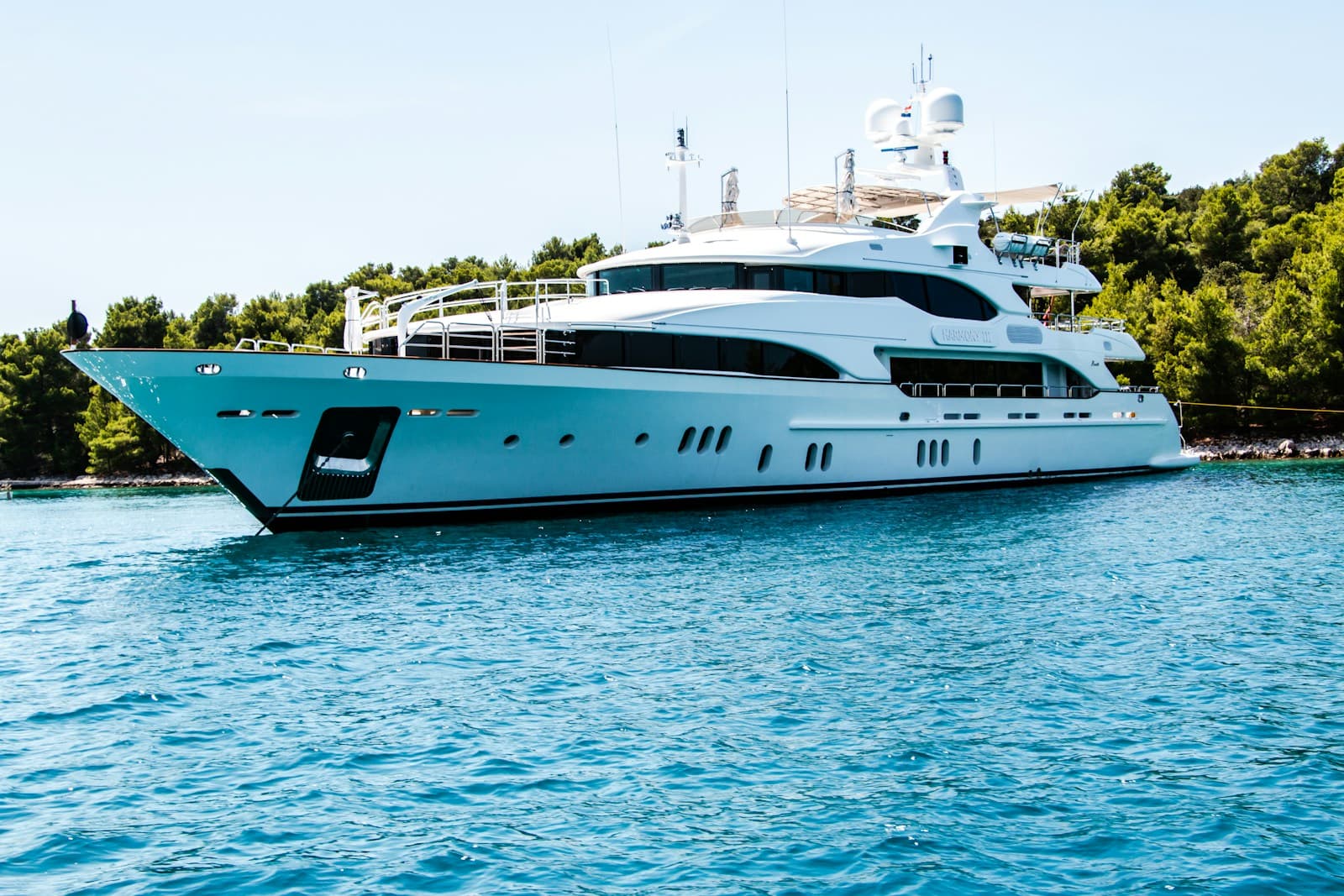
Côte d\'Azur Private Yacht | The FFGR Guide to the French Riviera by Sea
How to charter a superyacht or private boat on the Côte d'Azur: Monaco to Saint-Tropez, Cannes Film Festival logistics, anchorage selection, and what separates a true yacht charter from an online booking form.
8 min
 destinations
Versailles | The Private Access Guide for UHNW Visitors
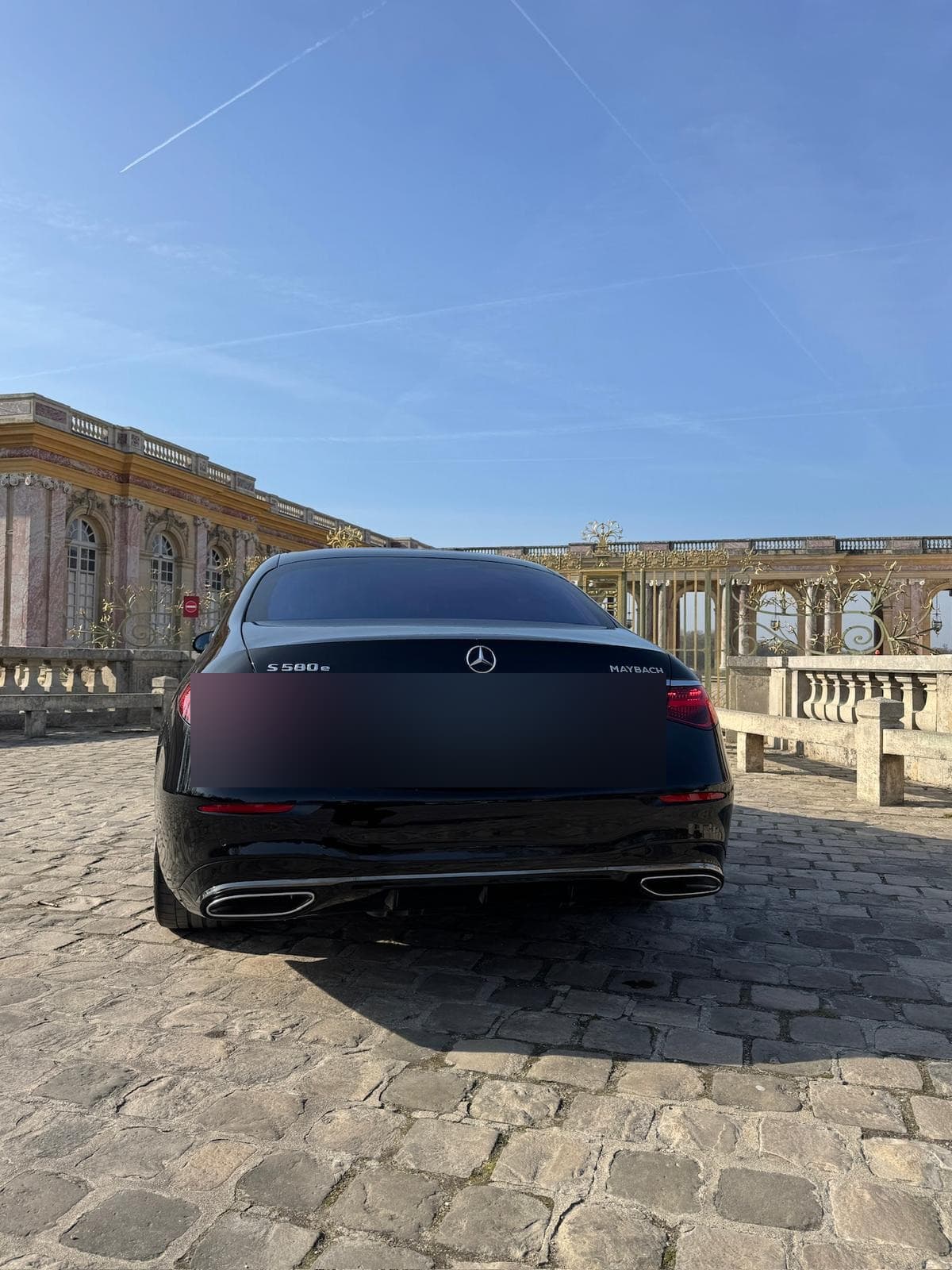
How to experience the Château de Versailles as it was intended: before the crowds, after closing, with an art historian, in a Rolls-Royce. The FFGR Paris guide to private Versailles access.
8 min
 destinations
Paris to Courchevel | Private Chauffeur for the Ski Season
The definitive guide to Paris-Courchevel private chauffeur transfers: route options, vehicle selection for alpine conditions, timing the ski season, and how FFGR Paris runs the winter mountain corridor.
9 min