The Pyrenees, the 491-kilometre mountain chain forming the natural border between France and Spain, represent a distinct programme from the Alps: lower summits (the highest, Vignemale, at 3,298m versus Mont Blanc at 4,808m), more ancient geology, a bilingual Occitan and Catalan cultural tradition in the French foothills, and the unique political anomaly of Andorra, the co-principality governed jointly by the President of France and the Bishop of Urgell, the most curious constitutional arrangement in modern Europe, maintaining its status as a tax-free territory since 1278. From Paris, the Pyrenean circuit is structured around four nodes: Toulouse (660 km via A10/A62, 6h), the starting point for the western and central Pyrenees; Lourdes and Tarbes (740 km via A10/A62/A64, 6h30) for the Cauterets and Luz-Saint-Sauveur valleys; Perpignan (870 km via A6/A9, 7h30) for the eastern Pyrenees, Font Romeu, and the approach to Andorra; and Carcassonne (790 km via A6/A75, 7h) as the central stopping point for the Ariège medieval circuit.
Andorra: the duty-free principality between France and Spain
The Principality of Andorra (Andorra la Vella, AD500, 77 km² between the French department of Ariège and the Spanish comarca of Alt Urgell, altitude 820-2,942m): the smallest state in Europe to have its own army, the only co-principality in the world, and the last remaining medieval political structure in continuous operation since 1278:
**Constitutional curiosity:** Andorra is governed by two co-princes who have held the title since 1278: the President of the French Republic (currently serving ex-officio as co-prince of Andorra, making him simultaneously a republican head of state and a feudal sovereign) and the Bishop of Urgell, a Catholic ecclesiastical dignitary in Catalonia. Andorra has its own parliament (the Consell General) and government but the co-princes retain formal constitutional roles.
**Tax status:** Andorra maintains a maximum income tax rate of 10% and a general consumption tax (IGI) of 4.5%, compared to French TVA of 20% and Spanish IVA of 21%. The principality has no inheritance tax and no wealth tax. This has made Andorra the residence of choice for a significant community of European entrepreneurs, athletes (particularly professional cyclists, Formula 1 drivers, and tennis players who use the legal residency to reduce their tax burden), and UHNW families with European mobility.
**Duty-free commerce:** the Avinguda Meritxell (the main commercial boulevard of Andorra la Vella) concentrates the highest density of luxury and duty-free retail in Europe: Hermès, Louis Vuitton, Cartier, Rolex, Patek Philippe, and the electronics and spirits retailers that make Andorra a destination for cross-border shopping. Andorra is particularly known for: - **Spirits and wine:** the Andorran duty-free spirits price is typically 40-60% below French retail for Cognac, Armagnac, Scotch whisky, and premium rum - **Tobacco:** 70-80% below French retail - **Electronics and optics:** 15-25% below EU retail - **Perfume and cosmetics:** 20-30% below French retail
**Access from Paris:** Paris to Andorra la Vella is 870 km via the A9/N22 (via Perpignan and the Col de Puymorens, 9h from Paris) or 980 km via the A62/N20 (via Toulouse, the RN20 through the Ariège, the longer but more comfortable approach, 9h30). FFGR recommends an overnight stop in Toulouse or Carcassonne for the Paris-Andorra programme.
**Vehicle import limit:** vehicles may carry up to €900 per person in duty-free goods from Andorra into France (the standard EU personal allowance). FFGR V-Class provides adequate cargo volume for the typical UHNW shopping programme.
French Pyrenean ski resorts: Font Romeu, La Mongie and Cauterets
The French Pyrenean ski resorts operate at a different scale from the Alpine giants, maximum altitude 2,400-2,800m versus 3,000-3,800m in the French Alps, but offer a distinct character: smaller, less crowded, with the specific Pyrenean geology and vegetation that differentiates the mountains visually from the granite alpine profile:
**Font Romeu : Pyrénées 2000** (66120 Font Romeu-Odeillo-Via, Pyrénées-Orientales, 1,800m base, 2,213m summit, 42 pistes, 210 km of Nordic ski trails in the Capcir valley): the sunniest ski resort in France, 3,000 hours of sunshine per year, the highest concentration of sun in any French ski area, and the official French Olympic training centre for altitude sport (the Centre National d'Entraînement en Altitude, 66210 Font Romeu, used by the French Olympic teams for altitude acclimatization before competition). Paris to Font Romeu: 900 km via A9/N116 (8h30).
**Le Grand Tourmalet : La Mongie and Barèges** (65200 La Mongie and 65120 Barèges, the largest ski area in the central Pyrenees, 1,250-2,500m altitude, 70 pistes, 130 km of marked runs, the Col du Tourmalet at 2,115m, the most famous mountain pass in the Tour de France, climbed 87 times by the race): the Tourmalet ski area connects La Mongie (the higher, more modern resort on the eastern side) with Barèges (the oldest ski resort in France, established 1923, on the western side) via the highest point of the ski area at the Col du Tourmalet. Paris to La Mongie: 860 km via A10/A62/A64 (7h30).
**Cauterets** (65110 Cauterets, Hautes-Pyrénées, 900m village, ski area Cirque du Lys 1,750-2,350m, 19 pistes): a thermal spa town in the Gave de Cauterets valley, within the Parc National des Pyrénées, combining skiing with the historic thermal baths established by Napoléon III. Cauterets is the access point for the Pont d'Espagne (1,496m, the most visited natural site in the Pyrenees: a stone bridge over the Gave de Cauterets at the point where the valley narrows, with the cascade du Pont d'Espagne immediately above).
**Gavarnie ski area** (65120 Gèdre, the small ski area at the entrance to the Cirque de Gavarnie, offering the only skiing in Europe directly accessible to a UNESCO World Heritage site): 5 pistes, limited and uncrowded, the experience of skiing beneath the 1,500m walls of the Cirque is unique in French skiing.
Cirque de Gavarnie: the UNESCO cathedral of the Pyrenees
The Cirque de Gavarnie (65120 Gavarnie, Hautes-Pyrénées, part of the Pyrénées, Mont Perdu UNESCO World Heritage Site, inscribed 1997 as both a natural and cultural landscape): the most spectacular geological feature in the French Pyrenees, a 1,500m-high semicircular rock wall of glacially carved limestone, 3.5 km in diameter, with three tiers of waterfalls and the Grande Cascade de Gavarnie (422m, the highest waterfall in France and one of the highest in Europe):
**Geography:** the Cirque de Gavarnie is a classic glacial cirque, a bowl-shaped depression carved by glacial erosion over 2 million years, now containing the remnants of the Gavarnie glacier and the watershed between France and Spain. The rim of the Cirque is the Franco-Spanish border. Mont Perdu (Monte Perdido in Spanish, 3,355m, the highest limestone massif in Europe and the third highest peak in the Pyrenees) rises directly above the eastern rim.
**The Grande Cascade:** at 422 metres of vertical fall (the upper section of 250m is a single uninterrupted drop, one of the longest uninterrupted waterfalls in Europe), the Grande Cascade is most dramatic in May-June when the snowmelt is at maximum volume. The cascade was described by Victor Hugo in 1843 as "the most extraordinary theatrical set that nature has ever built."
**Access:** the village of Gavarnie is accessed from Lourdes (54 km south via the D821 and D923, 1h) or from Luz-Saint-Sauveur (20 km via the D921). From the Gavarnie car park, the cirque floor is reached by a 1h45 walk (5.5 km round trip, flat terrain) or by horse or mule (hire from the village, 40 minutes each way). The view of the Grande Cascade from the Hotel du Cirque de Gavarnie (the hotel at the base of the cirque, 1h walk from the village) represents the classic Pyrenean viewpoint.
**FFGR vehicle programme:** Paris to Lourdes or Luz-Saint-Sauveur overnight → Gavarnie morning excursion → return programme.
Lourdes and the Ariège medieval circuit
Lourdes (65100 Lourdes, Hautes-Pyrénées, 770m altitude, 15,000 inhabitants but 6 million visitors annually): the most visited Catholic pilgrimage city in Western Europe and the second most visited city in France after Paris, centred on the apparitions of the Virgin Mary reported by Bernadette Soubirous in 1858:
**The Sanctuary of Our Lady of Lourdes** (Esplanade de la Basilique, 65108 Lourdes): the pilgrimage complex consists of three interconnected churches of different periods, the Basilique de l'Immaculée Conception (1871, neo-Gothic, the upper church on the rock of Massabielle), the Basilique du Rosaire (1889, neo-Romanesque, the lower church), and the underground Basilique Saint-Pie X (1958, one of the largest Catholic churches in the world, capacity 25,000 persons, a concrete underground oval designed by Pier Luigi Nervi, the most significant modern religious building in France). The Grotto of Massabielle (the cave where the apparitions occurred) and the Baths (the pools fed by the spring discovered by Bernadette Soubirous, used for ritual immersion by approximately 350,000 pilgrims annually) are the focal points of the pilgrimage.
**The Château de Foix** (09000 Foix, Ariège, 75 km east of Lourdes via the A64/D117, 1h15): the feudal château perched on a 80m-high limestone promontory above the confluence of the Ariège and the Arget rivers, three towers of different periods (10th-15th century), housing the Musée Départemental de l'Ariège. The Château de Foix was the stronghold of the Counts of Foix, the most powerful feudal lords of southern France in the 12th-13th centuries, and a centre of Cathar protection during the Albigensian Crusade (1209-1229).
**The Ariège Cathar circuit:** the Ariège department (09) contains the densest concentration of Cathar sites in France: - **Montségur** (09300, the most symbolically significant site of the Cathar persecution: the citadel where 225 Perfects were burned alive on 16 March 1244 after the surrender of the fortress) - **Roquefixade** (09300, the ruined 13th-century fortress at 1,450m, overlooking the Pays d'Olmes valley) - **The Grotte de Niaux** (09400 Niaux, the cave containing the most important Magdalenian cave art in the Pyrenees, 12,000-11,000 BP: the Salon Noir with its remarkable bison, horse, and ibex paintings drawn with charcoal and manganese, accessible by guided visit only, maximum 20 persons per session)
The Toulouse connection: France\'s third city as Pyrenean gateway
Toulouse (31000 Toulouse, Haute-Garonne, 660 km from Paris via A10/A62, 6h; or 1h15 from Paris by air to Toulouse-Blagnac Airport TLS): the fourth largest city in France by population (479,000 inhabitants), the capital of Occitanie, the centre of the European aerospace industry (Airbus SE headquarters at 1 Rond-Point Maurice Bellonte, 31700 Blagnac, 2 km from Toulouse-Blagnac Airport), and the principal gateway city for the French Pyrenees:
**The Capitole de Toulouse** (Place du Capitole, 31000, the neoclassical city hall and principal landmark of Toulouse, the symbolic centre of the Occitan capital): the rose-brick (briques roses de Toulouse, the distinctive pink terracotta brick that gives Toulouse its nickname "La Ville Rose", the Pink City) facade of the Capitole on the main square is the defining image of the city.
**The Basilique Saint-Sernin** (Place Saint-Sernin, 31000, the largest Romanesque church in the world, UNESCO World Heritage as part of the Chemins de Saint-Jacques-de-Compostelle, 12th century): 115 metres in length, the 12th-century five-stage octagonal bell tower is the signature architectural monument of the city, and the crypt contains one of the most significant pilgrimage collections of relics in France.
**The Cité de l'Espace** (Avenue Jean Gonord, 31500 Toulouse, the space theme park operated by the Toulouse metropolitan authority, dedicated to the European space programme): a 4-hectare science park with a replica of the Ariane 5 rocket (full scale, 53 metres, the most spectacular outdoor exhibit of any European science museum), a Soyuz spacecraft, a full-scale replica of the MIR space station, and interactive space science exhibitions. For children and adults with an interest in space technology, the Cité de l'Espace is the reference institution for the Ariane and Galileo programmes given Toulouse's role in the European space industry.
**Airbus SE factory visits** (31700 Blagnac, the Airbus Jean-Luc Lagardère production plant, the Toulouse facility where the A380, A350, and A330 are assembled): private factory tours of the Airbus assembly lines are available through the Airbus SE corporate relations programme for institutional clients, the most impressive industrial site open to visitors in France. FFGR coordinates the access protocol for client visits.
Booking the FFGR Paris-Pyrenees-Andorra programme
The FFGR Paris-Pyrenees programme is offered in three formats:
**Andorra duty-free programme (2 days):** Day 1 Paris 09h00 → overnight Carcassonne (790 km A6/A75, 7h) → Hôtel de la Cité Carcassonne (prestigious hotel inside the medieval walled city). Day 2 Carcassonne 08h00 → Andorra la Vella (130 km N20/D118, 2h30, through the Ariège gorges and the Col de Puymorens at 1,920m) → full day Andorra (shopping programme and city of Andorra la Vella) → overnight Andorra or return Toulouse.
**Pyrenean heritage circuit (3 days):** Day 1 Paris to Toulouse overnight (660 km, 6h). Day 2 Toulouse → Lourdes (186 km A64, 2h) → Gavarnie Cirque excursion → overnight Luz-Saint-Sauveur or Cauterets. Day 3 Cauterets → Foix Château (155 km D921/N20/A66, 2h30) → return Toulouse or Paris.
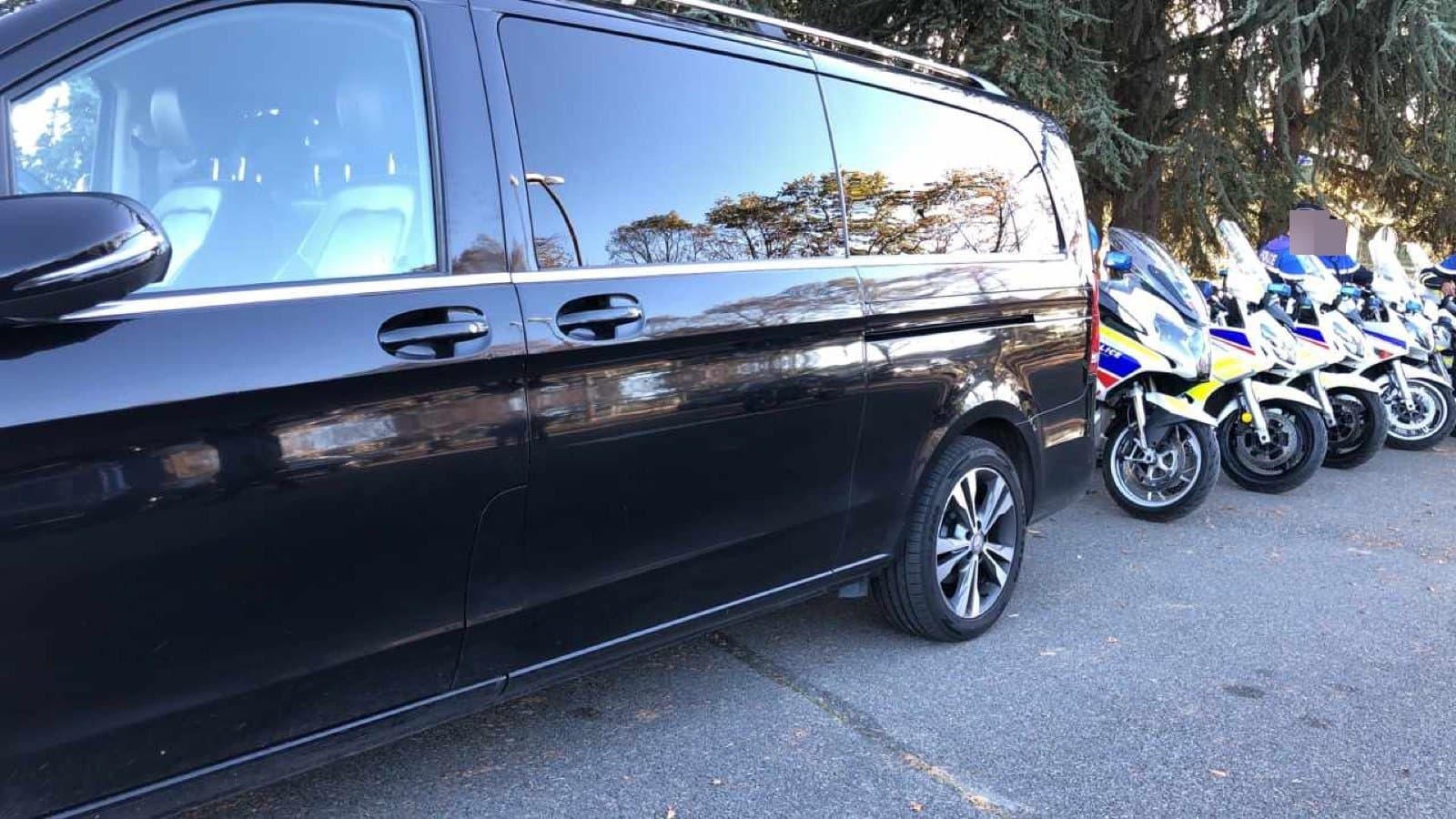
**Ski transfer programme (La Mongie or Font Romeu):** Paris to resort airport hub (Tarbes-Lourdes-Pyrénées or Perpignan, 1h30 by air) with vehicle pick-up, or Paris direct via FFGR vehicle (7h30-8h30 via A10/A62/A64). Resort vehicle available for day-ski transfers between accommodation and ski area, and cross-border excursions to the Spanish side of the Pyrenees (La Mongie connects to Baqueira-Beret, the largest ski area in Spain, via the Val d'Aran).
All mountain programmes are available November-April for ski season and May-October for summer mountain activities.
Contact us at reservation@ffgrparis.com or WhatsApp +33 7 43 46 14 91.
Бронирование
The Paris-Pyrenees-Andorra circuit, the duty-free co-principality of Andorra between France and Spain, the sun-drenched ski areas of Font Romeu and Grand Tourmalet, the UNESCO spectacle of the Cirque de Gavarnie with its 422-metre waterfall, Lourdes and the Ariège Cathar circuit, and Toulouse as the Pink City gateway, constitutes the most varied mountain and heritage programme accessible from Paris outside the Alps. FFGR provides the vehicle for the complete Paris-Pyrenees-Andorra programme. Contact us: reservation@ffgrparis.com · WhatsApp +33 7 43 46 14 91.
ЗабронироватьПохожие статьи
 destinations
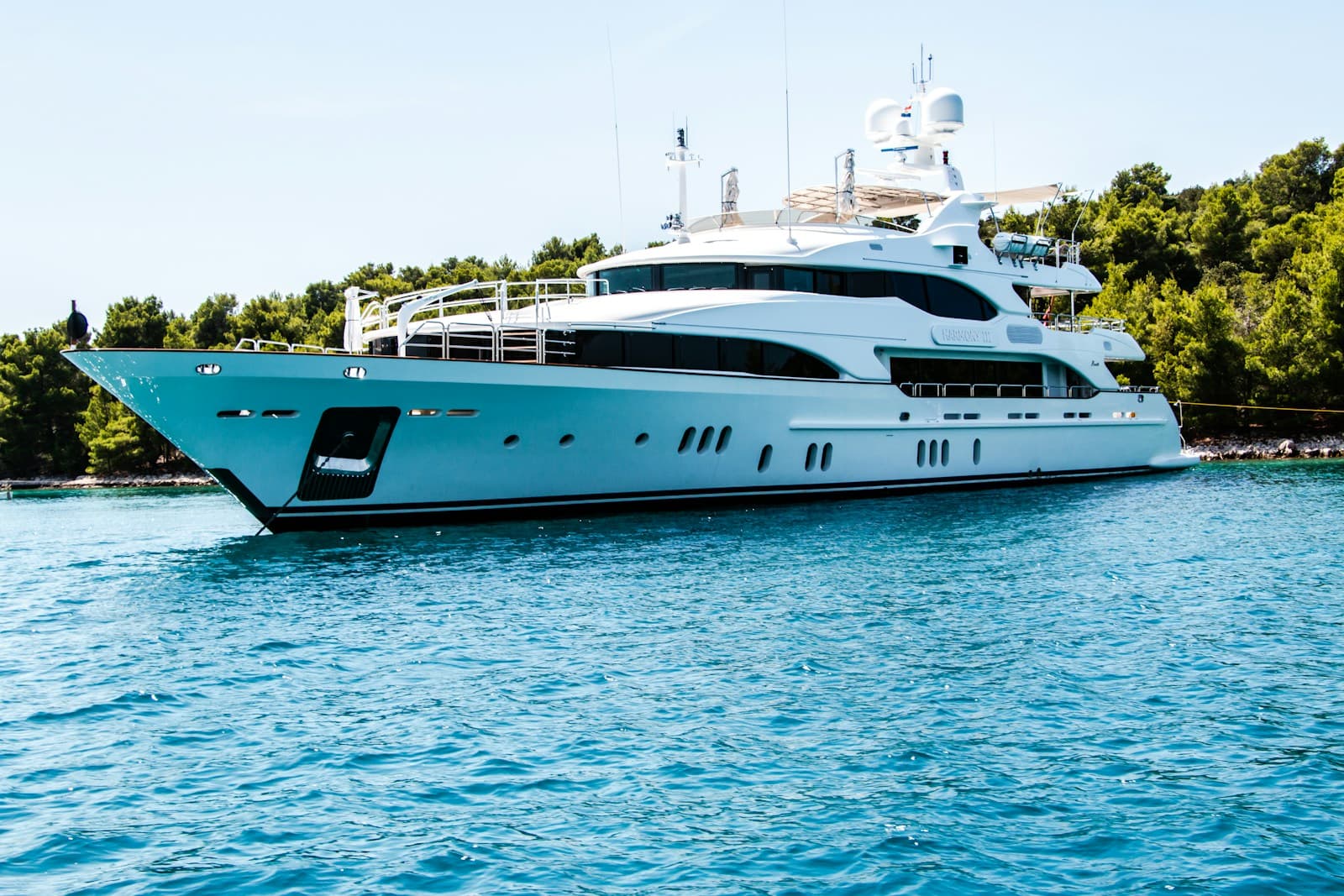
Côte d\'Azur Private Yacht | The FFGR Guide to the French Riviera by Sea
How to charter a superyacht or private boat on the Côte d'Azur: Monaco to Saint-Tropez, Cannes Film Festival logistics, anchorage selection, and what separates a true yacht charter from an online booking form.
8 min
 destinations
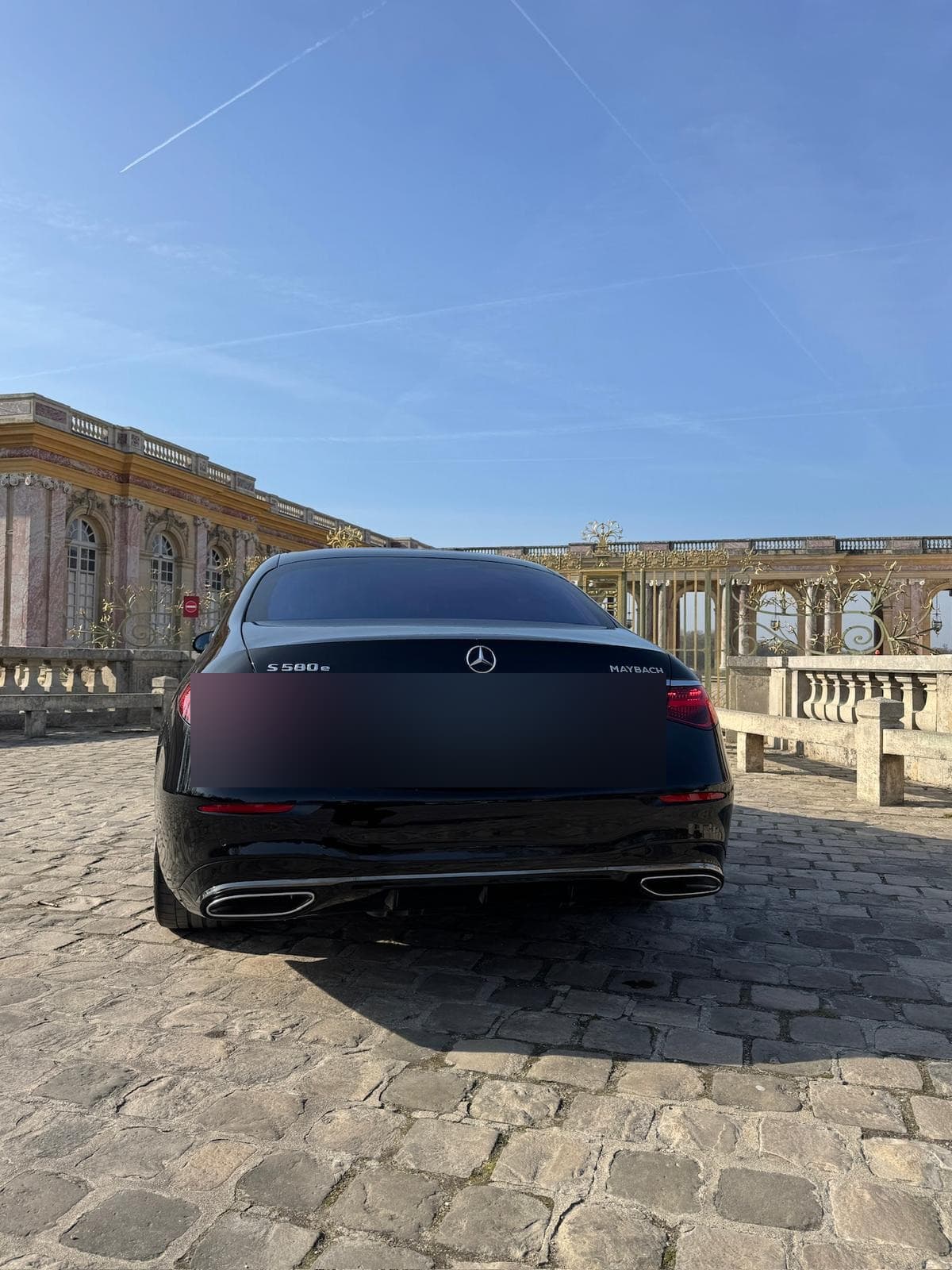
Versailles | The Private Access Guide for UHNW Visitors
How to experience the Château de Versailles as it was intended: before the crowds, after closing, with an art historian, in a Rolls-Royce. The FFGR Paris guide to private Versailles access.
8 min
 destinations
Paris to Courchevel | Private Chauffeur for the Ski Season
The definitive guide to Paris-Courchevel private chauffeur transfers: route options, vehicle selection for alpine conditions, timing the ski season, and how FFGR Paris runs the winter mountain corridor.
9 min