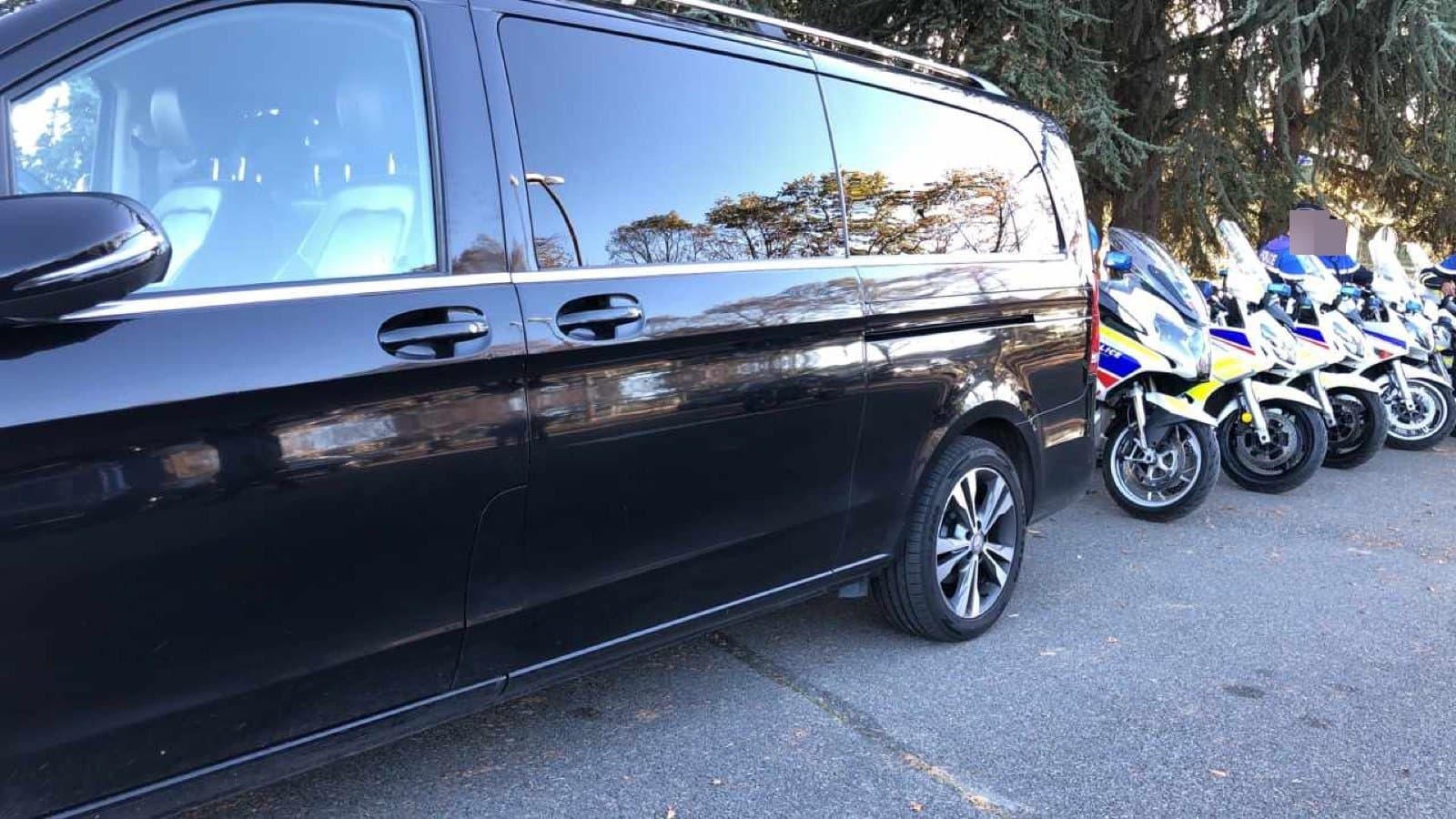
Provence (the Vaucluse département, 84, and the Bouches-du-Rhône, 13) is France's most visually celebrated inland landscape: the limestone massifs of the Luberon and the Alpilles, the ochre cliffs of Roussillon, the lavender fields of the Valensole plateau, and the string of hilltop villages (villages perchés) that represent the most concentrated surviving example of Provençal vernacular architecture from the 12th to 17th centuries. The interior Provence programme, distinct from the Côte d'Azur and Riviera coast, centres on the Luberon National Park (the massif south of Apt, 185,000 hectares, containing the most photographed villages in France: Gordes, Bonnieux, Ménerbes, Lacoste, and the ochre village of Roussillon) and the Avignon papal city (84000 Avignon, the seat of the Catholic papacy from 1309 to 1377, the most important surviving Gothic civic monument in southern France). Paris to Avignon is 690 km via the A6 (Autoroute du Soleil, 5h30-6h) or 2h40 by TGV Méditerranée from Paris Gare de Lyon to Avignon TGV. FFGR structures the Provence programme as a two- to three-day journey from Paris, with vehicle available for the complete Luberon circuit once at base in the Vaucluse.
Paris to Provence: routes and journey times
The Paris to Provence corridor follows the A6 (Autoroute du Soleil, the primary south route from Paris) through the Rhône Valley:
- Paris (8ème) to Avignon (84000, the A6 south, exit Avignon Nord): 690 km, 5h30-6h00 driving. - Paris to Aix-en-Provence (13100, continuing south on A7 past Orange): 760 km, 6h30-7h00. - Paris to Gordes (84220, Avignon then D2 east to Cavaillon, D15 north to Gordes): 720 km, 6h30-7h. - Paris to Apt (84400, the gateway town for the Luberon south flank): 740 km, 7h-7h30.
For the two-day programme, FFGR recommends the overnight TGV option for the outbound journey: Paris Gare de Lyon 08h00 TGV arrives Avignon TGV station 10h40 (2h40), FFGR vehicle meets at Avignon TGV station, Day 1 afternoon and evening in Avignon, Day 2 full Luberon circuit (Gordes, Abbaye de Sénanque, Roussillon, Bonnieux, Ménerbes, Lacoste), vehicle return to Paris via A6 depart 17h00-18h00 arriving Paris 23h00-00h00.
For the three-day programme, FFGR departs Paris 05h30-06h00 on Day 1, with arrival Avignon/Gordes area 11h30-12h00.
Avignon: the Palais des Papes and the papal city
Avignon (84000 Avignon, Vaucluse, within the medieval ramparts on the left bank of the Rhône, 23 km from the Luberon south flank) was the seat of the Catholic papacy from 1309 to 1377, the period when seven consecutive popes ruled from Avignon rather than Rome (the "Avignonian papacy" or "Babylonian Captivity"). The physical legacy of this period is the Palais des Papes (Place du Palais, 84000 Avignon): the largest Gothic building in the world (15,000 m², the combined old and new palaces built between 1335 and 1364), a fortified palace on the Rocher des Doms cliff above the Rhône that is simultaneously the most significant architectural monument in medieval Provence and the most important secular Gothic building in France.
The Palais des Papes interior, the Grand Tinel (the ceremonial great hall, 48 metres long), the Chambre du Cerf (the private study of Clement VI with frescoes by Matteo Giovannetti, 1343, the finest surviving 14th-century secular fresco programme in France), the Chapelle Saint-Martial (also frescoed by Giovannetti), constitutes the most important ensemble of 14th-century secular decoration in Europe.
Beyond the Palais des Papes, the Avignon programme: the Pont d'Avignon (the Pont Saint-Bénézet, 84000, the 12th-century bridge of the famous song, of which four arches remain after repeated Rhône flooding, extending 160 metres from the rampart to the river's midstream), the Musée du Petit Palais (Place du Palais, the archbishop's palace, now containing the most important collection of Italian and Avignonian medieval painting in France, with 350 paintings from the 13th-16th centuries), and the Villeneuve-lès-Avignon charterhouse (Chartreuse du Val de Bénédiction, 30400 Villeneuve-lès-Avignon, the largest medieval Carthusian monastery in France, across the Rhône).
Vehicle access to Avignon: the A9 exit Avignon Sud to Avignon TGV station, then the ring road (the Boulevard Saint-Roch approach to the Porte de la République), FFGR positions on the Boulevard Saint-Roch or the car parks adjacent to the ramparts.
Gordes and the Abbaye de Sénanque
Gordes (84220 Gordes, Vaucluse, 40 km east of Avignon via the D2 to Cavaillon then D15 north) is the most celebrated hilltop village in Provence: a village of white limestone houses rising on successive terraces from the Imergue valley floor to the 380-metre summit where the Renaissance Château de Gordes (15th-16th century, now a private property, visible from the village square) dominates the landscape. The approach to Gordes from the south (the D15 from Cavaillon) provides the most famous view in Provence: the village rising against the white limestone Luberon escarpment, the view that has made Gordes one of the most photographed villages in France.
The Abbaye Notre-Dame de Sénanque (84220 Gordes, 4 km north of Gordes via the D177, an unpaved track descending through a narrow valley) is the finest surviving example of Cistercian architecture in Provence: the monastery church (1150-1175), the cloister, the chapter house, and the dormitory, all in the unornamented Cistercian Romanesque style, built of the pale ochre local stone. The Sénanque lavender (the lavender fields immediately surrounding the abbey, planted by the current community of resident monks) produces the famous image: purple lavender rows against the pale abbey stone and the dark cypress background, flowering late June through early August.
Visit planning: the Sénanque abbey receives visitors in the morning (09h00-12h00) for guided tours of the cloister and church, closed Sunday morning. The July lavender bloom period (peak typically 5-20 July in a standard year) draws large visitor numbers, FFGR recommends early morning arrival (08h30) to access the lavender before the coach parties arrive from 10h00 onwards.
The Luberon circuit: Roussillon, Bonnieux, Ménerbes and Lacoste
The Luberon villages circuit covers the string of hilltop villages on the north and south flanks of the Luberon massif:
**Roussillon** (84220 Roussillon, 10 km east of Gordes via the D2): the ochre village, built from and into the largest ochre cliff formation in Europe (the Provençal Colorado, 17 different shades of ochre from pale yellow to deep blood red, the colour range caused by the varying iron oxide content of the sandstone). The Sentier des Ocres (the marked walking circuit through the ochre cliffs, 30-45 minutes) provides direct access to the geological formation. The village is pigmented orange-red at every surface, walls, paving, rooflines, from centuries of ochre quarrying and building.
**Bonnieux** (84480 Bonnieux, 20 km south-east of Gordes via the D36): one of the highest of the Luberon villages (420 metres), with a cedar forest planted in the 19th century above the village and the panoramic view south across the Luberon valley to the Alpilles and the Sainte-Victoire. The Boulangerie du Luberon in Bonnieux and the Auberge de l'Aiguebrun (at the base of the cliff, 2 stars Michelin) are the reference culinary addresses of the circuit.
**Ménerbes** (84560 Ménerbes, 15 km west of Bonnieux): the village made famous by Peter Mayle's A Year in Provence (1989), the book and its sequels transformed the Luberon into an UHNW anglophone retreat destination in the 1990s. The village sits on a narrow ridge with a 14th-century citadel, the village square, and a view down the Luberon valley in both directions.
**Lacoste** (84480 Lacoste, 5 km east of Ménerbes): the village once owned by the Marquis de Sade (the Château de Lacoste, partially restored, with summer opera performances). Currently owned in part by Pierre Cardin, who restored the castle and operates it as a venue.
Fontaine-de-Vaucluse and the Sorgue valley
Fontaine-de-Vaucluse (84800 Fontaine-de-Vaucluse, 25 km east of Avignon via the D901, 7 km north of l'Isle-sur-la-Sorgue) is the site of the largest resurgent spring in France: the Sorgue river emerges from the base of a 230-metre cliff at a flow rate that varies from 200 litres/second in the summer dry period to 100,000 litres/second during the spring snowmelt (April-May), creating the dramatic pool at the cliff base that Petrarch described in his sonnets to Laura (Petrarch lived in Fontaine-de-Vaucluse from 1337 to 1353, the Pétrarque museum in the village documents his residence).
The walk from the village to the source (1.5 km along the Sorgue riverbank, 20 minutes) through the plane tree-lined path passes the restored medieval paper mills (the Sorgue powered paper mills from the 13th century) and reaches the cliff base pool. In the spring flow period (April-May), the pool fills to within 10 metres of the cliff top; in the summer period, the pool level drops and the resurgent flow becomes a slow upwelling.
**L'Isle-sur-la-Sorgue** (84800, 7 km south of Fontaine-de-Vaucluse): the Provençal antiques market capital, the town holds the second-largest antiques market in France (after Paris Saint-Ouen) every Sunday morning, with 300 dealers occupying the canal-lined streets. For FFGR clients combining the Luberon circuit with an antiques sourcing visit, the Isle-sur-la-Sorgue Sunday market (07h30-13h00) is the reference address for Provençal furniture, faience, and decorative arts at prices significantly below Paris equivalents.
Booking the FFGR Paris-Provence programme
The Paris to Provence vehicle programme is offered by FFGR as a two-day minimum programme (Day 1 Avignon and arrival at Gordes/Luberon, Day 2 full Luberon circuit) or as a three-day programme incorporating the Fontaine-de-Vaucluse and Isle-sur-la-Sorgue circuit.
For clients requiring accommodation in the Luberon, FFGR recommends: La Bastide de Gordes (Rue de la Combe, 84220 Gordes, 5-star hotel in the village, panoramic Luberon view, €400-900/night for standard rooms); La Coquillade (84160 Gargas, Relais & Châteaux property in the Luberon south, vineyard estate, 2 pools, €300-700/night); Château La Coste (13610 Le Puy-Sainte-Réparade, the art and architecture hotel in the Aix-en-Provence area, with works by Tadao Ando, Frank O'Gehry, and Louise Bourgeois on the estate).
For UHNW clients wishing to view property in the Luberon (the Luberon national park zone is the most sought-after UHNW property acquisition area in inland Provence, the combination of protected landscape, strict building regulations limiting new construction, and proximity to Marseille Provence Airport for private aviation makes it the reference location for the French countryside estate), FFGR coordinates with the specialist Luberon property agents (Emile Garcin Luberon at Bonnieux, Michaël Zingraf Luberon at Ménerbes, and John Taylor Luberon) for the property viewing circuit.
Contact us at reservation@ffgrparis.com or WhatsApp +33 7 43 46 14 91.
Бронирование
Provence from Paris, the Gothic citadel of the Avignon Palais des Papes, Gordes rising against the Luberon limestone, the Sénanque lavender, the ochre cliffs of Roussillon, and the hilltop circuit of Bonnieux, Ménerbes, and Lacoste, constitutes France's most celebrated inland landscape programme accessible in two days from Paris. FFGR provides the vehicle for the complete Paris-Provence Luberon circuit. Contact us: reservation@ffgrparis.com · WhatsApp +33 7 43 46 14 91.
ЗабронироватьПохожие статьи
 destinations
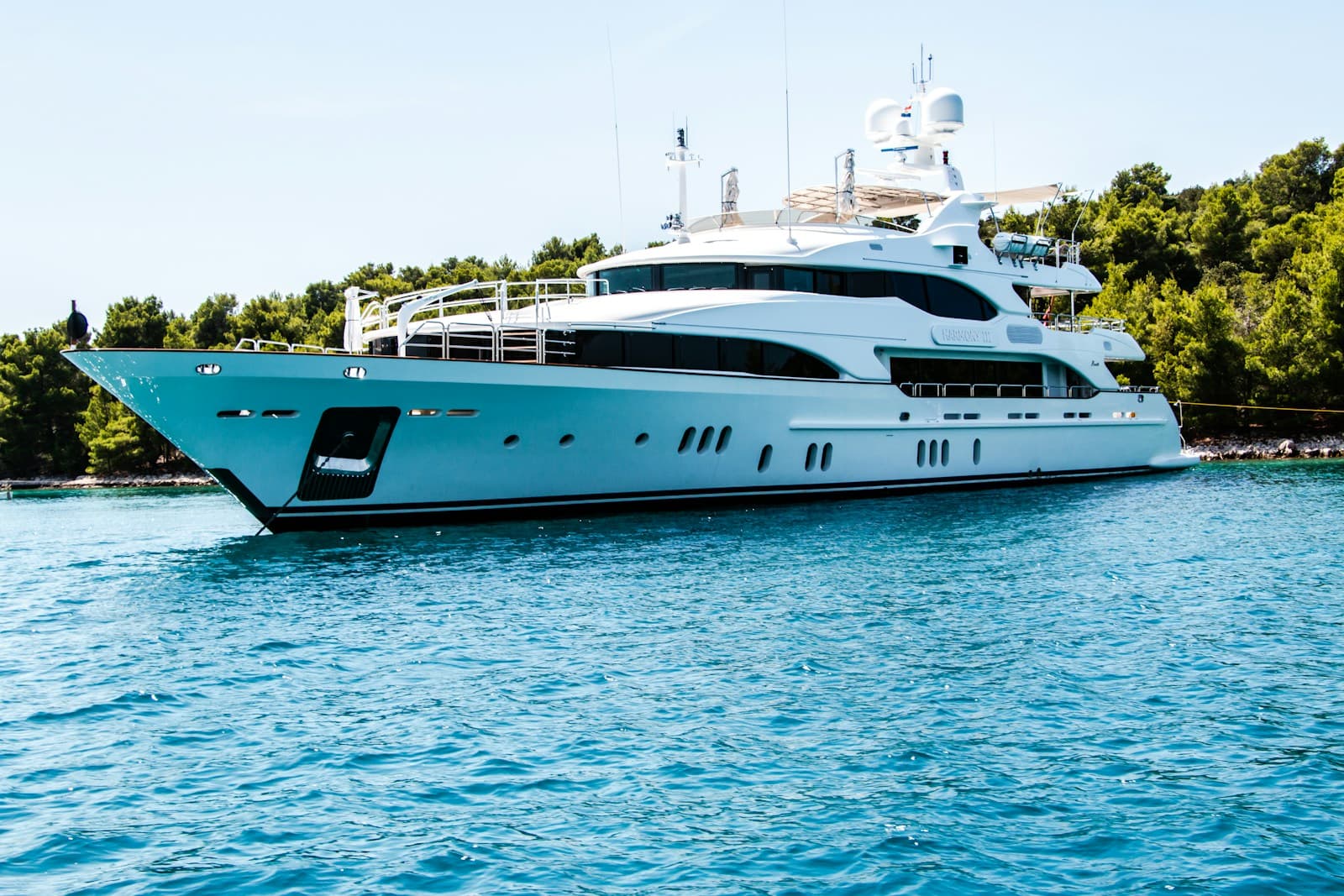
Côte d\'Azur Private Yacht | The FFGR Guide to the French Riviera by Sea
How to charter a superyacht or private boat on the Côte d'Azur: Monaco to Saint-Tropez, Cannes Film Festival logistics, anchorage selection, and what separates a true yacht charter from an online booking form.
8 min
 destinations
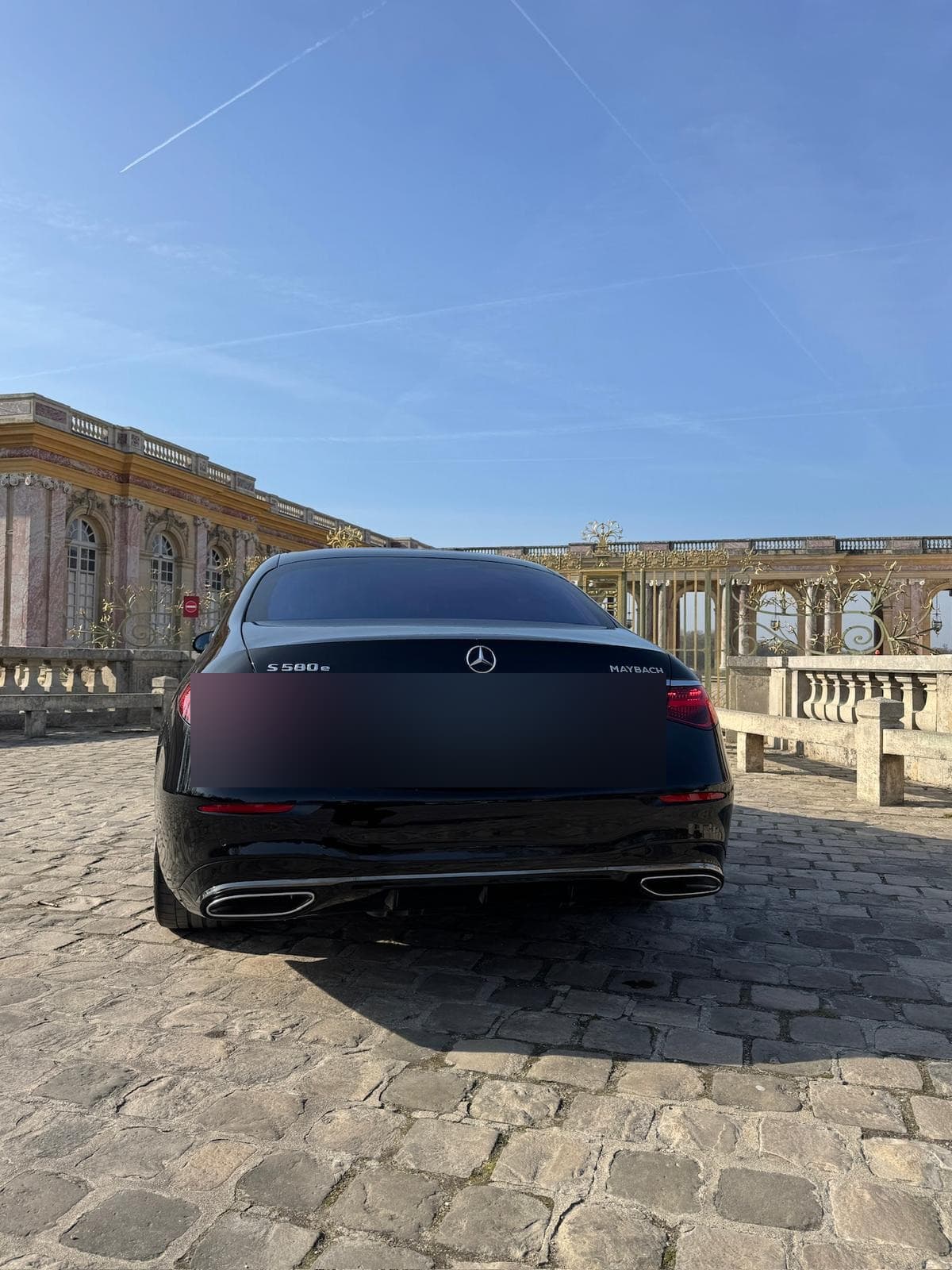
Versailles | The Private Access Guide for UHNW Visitors
How to experience the Château de Versailles as it was intended: before the crowds, after closing, with an art historian, in a Rolls-Royce. The FFGR Paris guide to private Versailles access.
8 min
 destinations
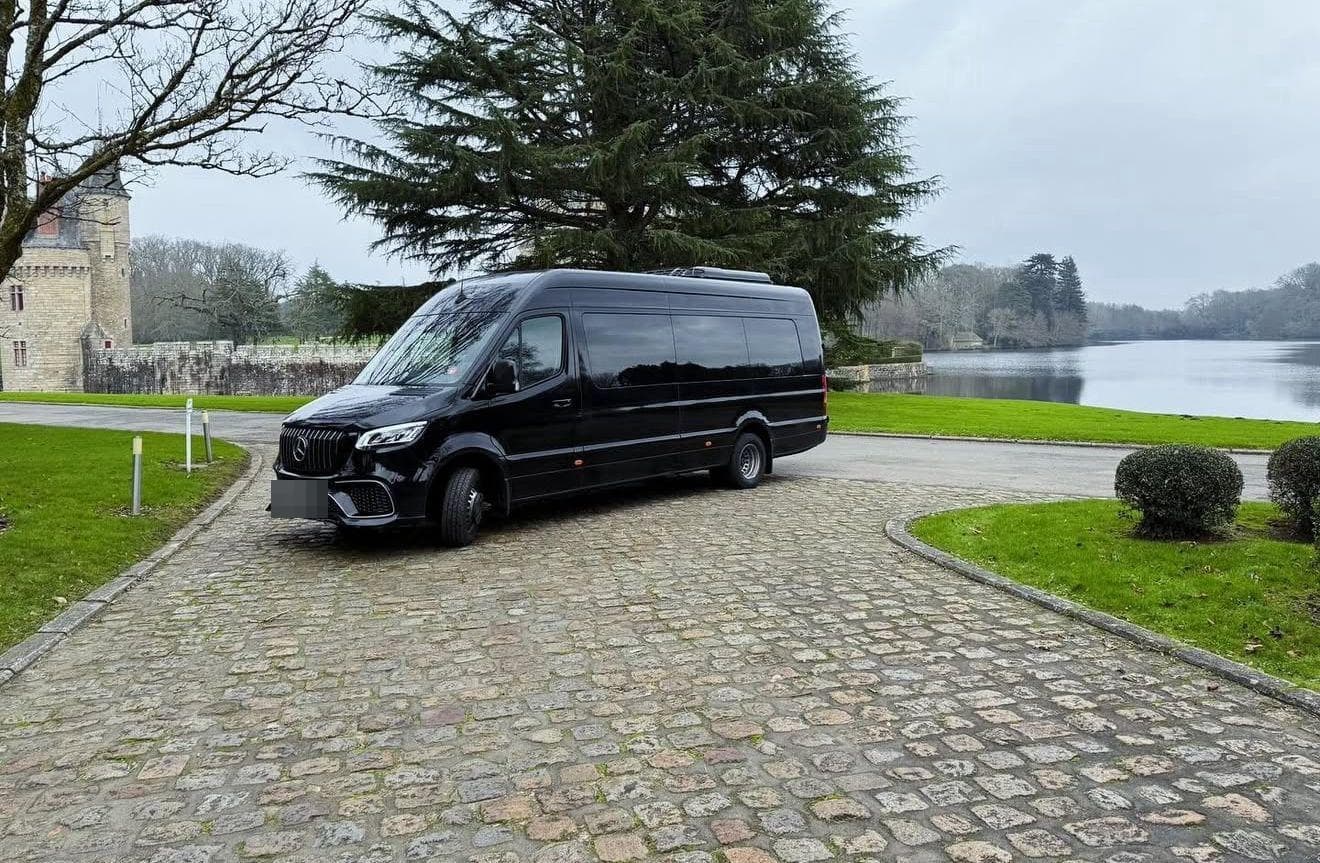
Paris to Courchevel | Private Chauffeur for the Ski Season
The definitive guide to Paris-Courchevel private chauffeur transfers: route options, vehicle selection for alpine conditions, timing the ski season, and how FFGR Paris runs the winter mountain corridor.
9 min