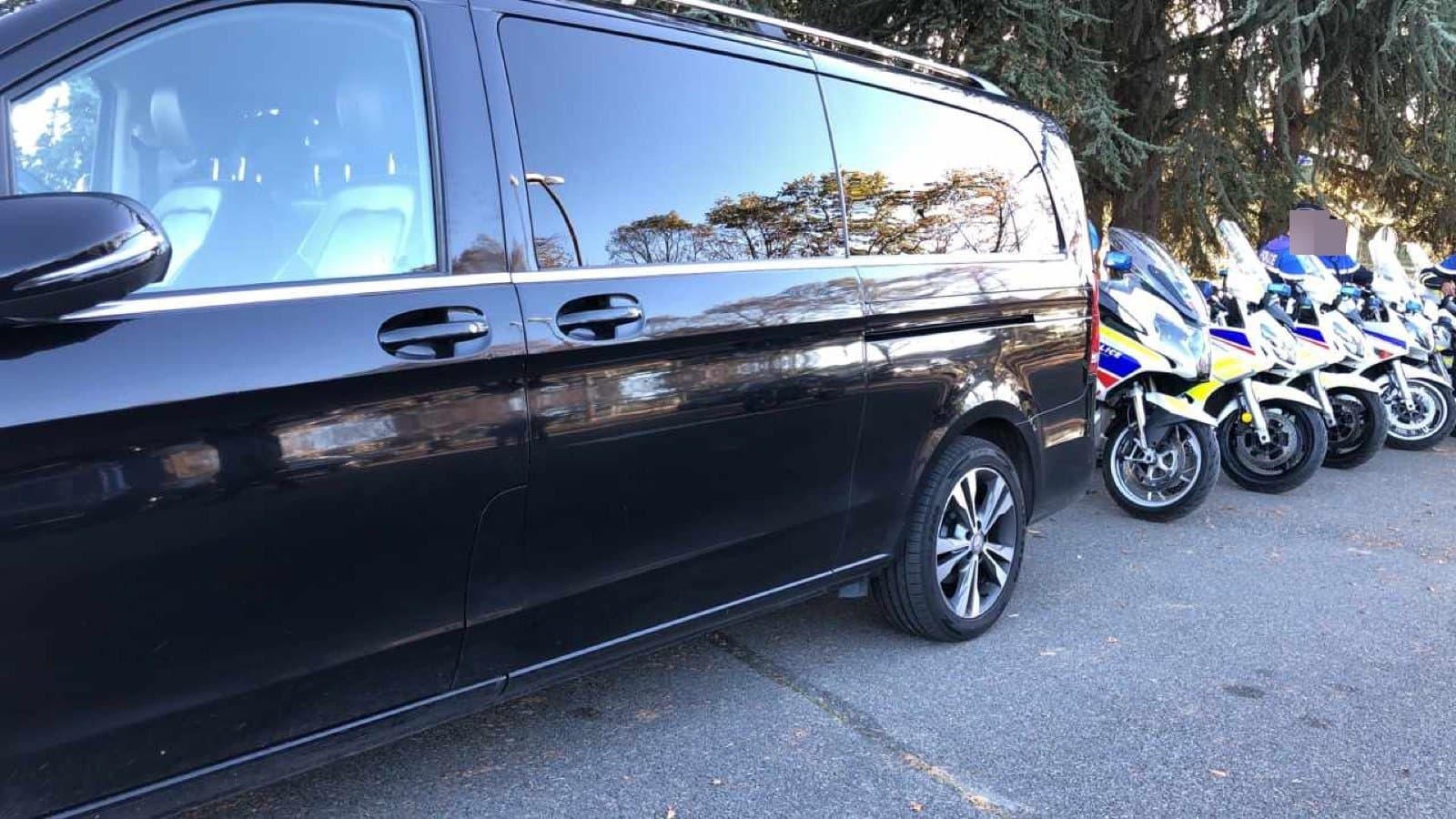
The Loire Valley, the stretch of the Loire River between Sully-sur-Loire and Chalonnes, 150-250 km southwest of Paris along the A10, contains the highest concentration of Renaissance château architecture in the world: 42 châteaux classified as UNESCO World Heritage (inscribed 2000 as the "Val de Loire" cultural landscape), built across the 15th and 16th centuries as the French royal court moved between Paris and Touraine. The Loire Valley constitutes France's most significant ensemble of royal residential architecture, reflecting the Italian Renaissance architectural influence that arrived with François I's campaigns in Italy. For UHNW clients undertaking the Loire Valley programme from Paris, FFGR provides the vehicle for the complete circuit, either as a long day trip (Paris departure 07h00, return 21h00-22h00 for the core Chambord-Chenonceau programme) or as a two-day or three-day château circuit with overnight stays at the principal Loire luxury properties.
Paris to the Loire Valley: routes and journey times
The Paris to Loire Valley corridor follows the A10 (the Autoroute de l'Atlantique, Paris-Orléans-Tours-Poitiers) as its primary axis. Journey times from central Paris (8th arrondissement) to the principal Loire destinations:
- Orléans (northern Loire gateway): 130 km, A10, 1h15-1h30. Orléans itself is rarely the destination, it serves as the route junction for the eastern Loire châteaux (Chambord, Cheverny). - Château de Chambord (41250 Chambord): 170 km, A10 to Orléans then D951/D112 via Blois, 1h45-2h15 total. The final approach from the D112 through the Chambord forest domain (5,440 hectares enclosed by a 32km wall) is one of the great château approach sequences in France. - Château de Chenonceau (37150 Chenonceaux): 220 km, A10 via Tours then D176, 2h00-2h30. Approaches from the south bank of the Cher via the D176 from Montrichard. - Amboise (Clos Lucé, Château Royal d'Amboise): 210 km, A10 to Tours then D31, 2h00-2h30. - Château d'Azay-le-Rideau (37190 Azay-le-Rideau): 230 km, A10 via Tours then D57, 2h15-2h45. - Villandry (Château de Villandry, the ornamental gardens): 225 km, A10 via Tours, 2h10-2h40.
Château de Chambord: the principal François I monument
Château de Chambord (41250 Chambord: construction commenced 1519 under François I, primary architect attributed to Domenico da Cortona with possible Leonardo da Vinci involvement in the double-helix staircase design; 426 rooms, 77 staircases, 282 fireplaces; the largest château in the Loire Valley) is the single most architecturally significant Renaissance monument in France. The estate covers 5,440 hectares: the largest walled enclosed forest in Europe, and the château itself is positioned within the clearing at the estate's centre, approached across the formal parterre.
For FFGR clients, the Chambord programme involves vehicle positioning in the Chambord estate car park (Parking du Château, directly in front of the north façade: vehicles enter the estate via the main gate on the D112 from Bracieux). The estate opens at 09h00; FFGR recommends arrival at 09h15-09h30 to access the interior before the tour groups (primarily arriving from 10h30 onwards in the peak season). The château interior: the double-helix staircase, the salamander emblem of François I throughout the carved stonework, the restored royal apartments: requires 2h00-2h30 for a complete visit. The château roof terraces (the famous promenade des toits, designed by François I for the court to watch hunting in the estate below) are the most photographically significant element of the visit.
For the Chambord-Chenonceau combined programme (the classic Loire day trip), the vehicle moves from Chambord to Chenonceau (55 km via the D956 and D176 through Blois and Montrichard: 45-55 minutes) for lunch and afternoon at Chenonceau before returning to Paris via the A10.
Château de Chenonceau: the Renaissance bridge château
Château de Chenonceau (37150 Chenonceaux, built 1513-1521 by Thomas Bohier, confiscated by the Crown in 1535, the gallery bridge spanning the River Cher designed by Philibert de l'Orme for Diane de Poitiers 1555-1559 and completed for Catherine de Medici 1570-1576) is the most visited château in France after Versailles, approximately 800,000 visitors annually. The château's defining visual element, the five-arch bridge gallery spanning the Cher, makes it architecturally unique among all French royal monuments.
For FFGR clients, Chenonceau vehicle access is via the D176 from Montrichard (the primary approach road to the estate entrance). The château car park (Parking du Château de Chenonceau) is 600 metres from the main entrance, with the approach through the château's avenue of plane trees (the historic avenue leading to the entrance gatehouse). The château opens at 09h00 (extended to 08h00 in the high summer season), FFGR recommends arrival at 09h00-09h15 to access the interior before afternoon congestion. The interior programme, the six rooms of the main body (the Salle des Gardes, the Chambre de Diane de Poitiers, the Grande Galerie spanning the Cher with its black and white marble floor), requires 1h30-2h00. The gardens (Jardin de Diane de Poitiers and Jardin de Catherine de Medici) are most attractive from May through October.
For the full Loire day programme combining Chambord and Chenonceau, FFGR structures: Paris departure 07h00 → Chambord arrival 09h15-09h30 → Chambord visit 2h00 → drive to Chenonceau 50 minutes → lunch at L'Orangerie du Château de Chenonceau (the château's own restaurant) or at a Chenonceaux village restaurant → Chenonceau visit 1h30 → departure 15h30-16h00 → Paris arrival 18h00-18h30 (A10).
Amboise and the Clos Lucé: Leonardo da Vinci in the Loire
Amboise (37400 Amboise, Indre-et-Loire, on the north bank of the Loire, 25 km east of Tours) is one of the most historically layered Loire towns: it was the preferred residence of Charles VIII and François I, site of the Château Royal d'Amboise (the former royal apartments, the Chapelle Saint-Hubert where Leonardo da Vinci was buried in 1519), and the location of the Clos Lucé (2 Rue du Clos Lucé, the manor house where Leonardo da Vinci spent the final three years of his life, 1516-1519, as the guest of François I).
The Clos Lucé (a 15th-century brick manor, connected to the Château Royal by an underground tunnel) houses the most comprehensive collection of Leonardo models and reconstructions outside Italy, full-scale working models of the machines from his Codex notebooks. For FFGR clients, the Amboise programme typically combines the Château Royal (Montée de l'Émir access, vehicle positioning in the Rue François I car park below the château) and the Clos Lucé (Rue du Clos Lucé, 600 metres from the château, vehicle positioning in the Clos Lucé car park on the Rue Victor Hugo). The Clos Lucé garden (the Parc Léonard de Vinci, 7 hectares, with 40 full-scale mechanical models installed in the garden) is particularly suited to the programme during the spring and summer seasons.
Loire Valley wine circuit: Vouvray, Sancerre and the appellations
The Loire Valley produces approximately 700 million bottles annually across a 300 km wine corridor, the world's most diverse single river wine region, encompassing 87 appellations across the Pays Nantais (Muscadet), Anjou-Saumur, Touraine, and the eastern Loire (Sancerre, Pouilly-Fumé). For UHNW clients combining the château circuit with a wine programme, FFGR recommends the following:
**Vouvray** (37210 Vouvray, Chenin Blanc, 7 km east of Tours on the north bank of the Loire): the appellation that produces both the driest and the sweetest expressions of Chenin Blanc in France. Domaine Huet (11 Rue de la Croix Buisée, Vouvray, the appellation's reference estate, biodynamic, three single-vineyard cuvées: Le Haut-Lieu, Le Mont, Clos du Bourg) for vertical tasting by appointment.
**Sancerre** (18300 Sancerre, Sauvignon Blanc and Pinot Noir, 200 km east of Paris on the upper Loire via the A71): Henri Bourgeois (Chavignol, 18300), Domaine Vacheron (1 Rue du Puits Poulton, Sancerre). Sancerre is best visited as a standalone programme from Paris (200 km, A10/A71, 2h00-2h15) or as an extension of the eastern Loire circuit.
**Pouilly-Fumé** (58150 Pouilly-sur-Loire, the opposite bank from Sancerre): Domaine Didier Dagueneau (Les Berthiers, Saint-Andelain, the appellation's most celebrated estate, minimal-intervention viticulture), visits by appointment.
For the wine circuit, FFGR provides transportation between domaines and handles the wine purchasing logistics (temperature-controlled vehicle storage for cases purchased during the visit).
Overnight Loire programmes: châteaux-hôtels and Relais & Châteaux
For clients extending the Loire Valley programme to two or three days, FFGR recommends the following château-hotels within the circuit:
**Château de Pray** (37400 Amboise, Route de Chargé, 4 km from Amboise on the north bank of the Loire, Relais & Châteaux): a 13th-century château with 19 rooms, direct Loire view, suited to the Amboise programme as base.
**Château de Noizay** (37210 Noizay, Route de Chissay, in the Vouvray appellation, 12 km from Amboise): a 16th-century château with 19 rooms and a Michelin-starred restaurant.
**Château de Chissay** (41400 Chissay-en-Touraine, Route de Fougères, 7 km from Chenonceau): a 15th-century château, former residence of Charles VII and Louis XI, 34 rooms.
**Domaine des Hauts de Loire** (41150 Onzain, Route d'Herbault, opposite Amboise on the south bank, Relais & Châteaux, 2 Michelin stars at its restaurant): the most complete gastronomy offer in the Loire Valley.
For the two-day programme, FFGR recommends: Day 1, Paris departure 08h00, Chambord, Cheverny (33 km from Chambord via the D102, the château that inspired Tintin's Moulinsart), afternoon arrival at the overnight château-hotel; Day 2, Chenonceau morning, Amboise/Clos Lucé afternoon, Paris return.
Contact us at reservation@ffgrparis.com or WhatsApp +33 7 43 46 14 91.
Prenotazione
The Loire Valley from Paris, Chambord, Chenonceau, the Clos Lucé in Amboise, the Loire wine appellations, and the two-day château circuit, is the most architecturally concentrated day-trip or overnight programme accessible from the French capital. FFGR provides the vehicle programme for the complete Loire Valley excursion, from Paris departure to château hotel transfers and return. Contact us: reservation@ffgrparis.com · WhatsApp +33 7 43 46 14 91.
Prenota oraArticoli correlati
 destinations
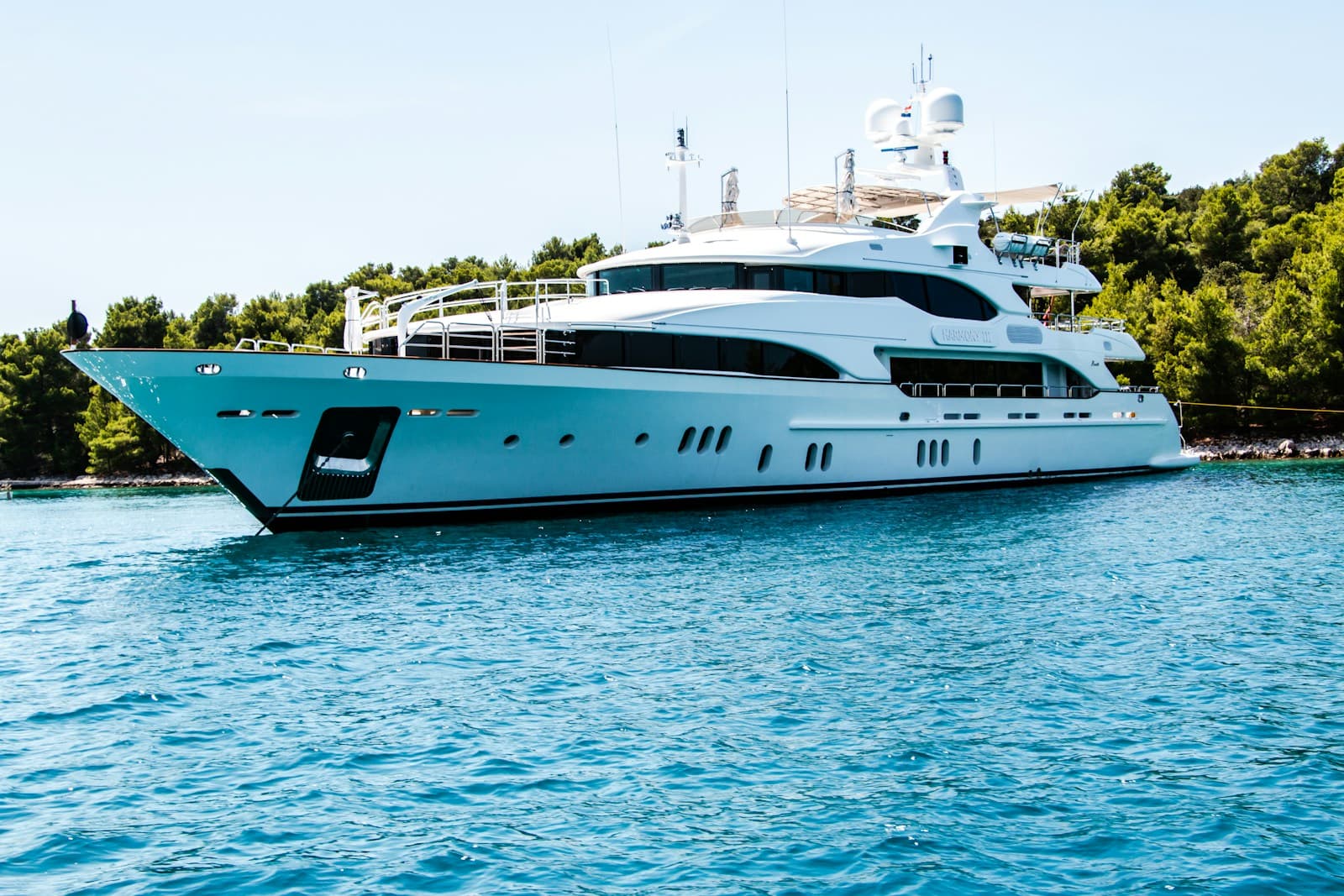
Côte d\'Azur Private Yacht | The FFGR Guide to the French Riviera by Sea
How to charter a superyacht or private boat on the Côte d'Azur: Monaco to Saint-Tropez, Cannes Film Festival logistics, anchorage selection, and what separates a true yacht charter from an online booking form.
8 min
 destinations
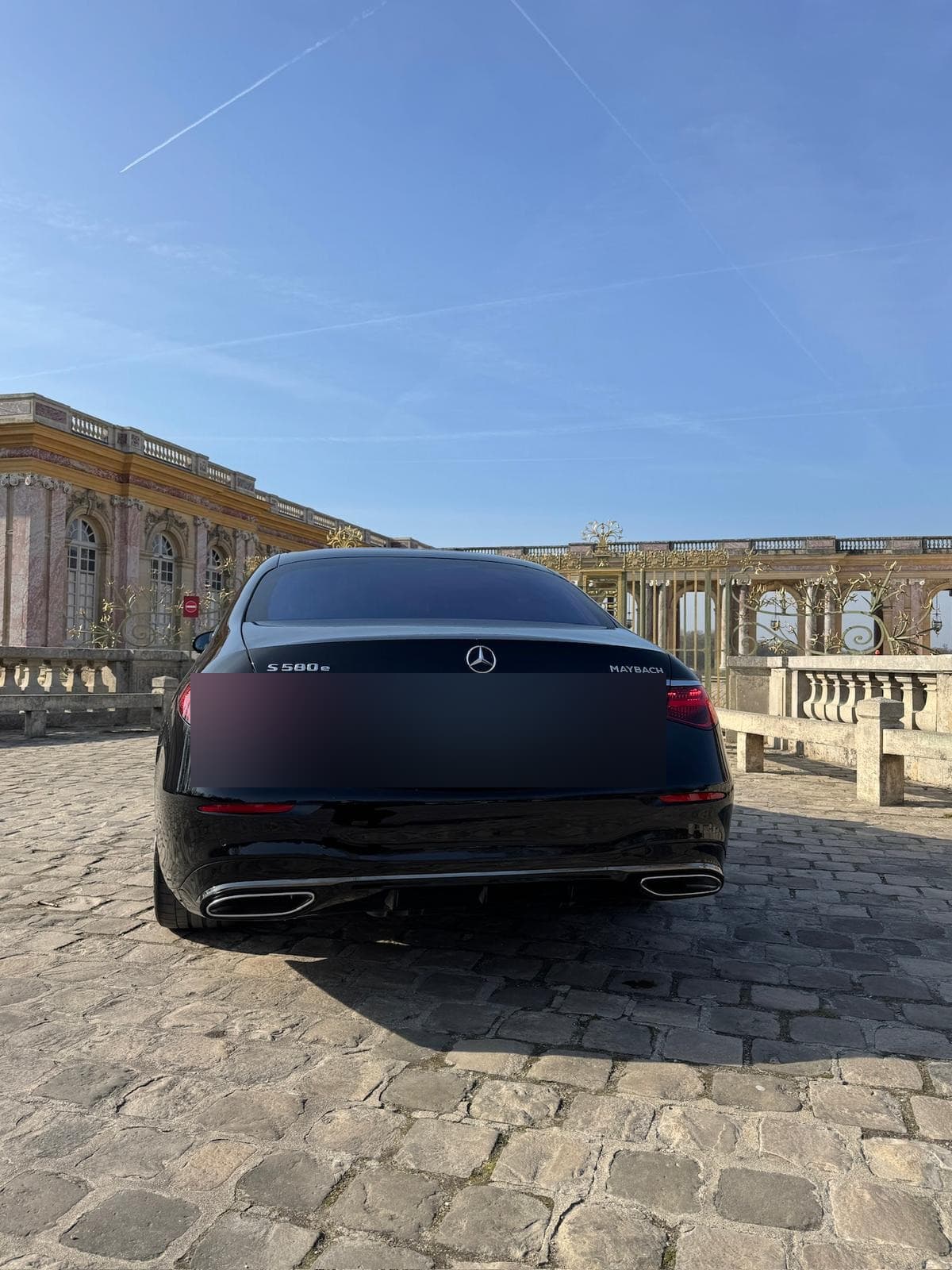
Versailles | The Private Access Guide for UHNW Visitors
How to experience the Château de Versailles as it was intended: before the crowds, after closing, with an art historian, in a Rolls-Royce. The FFGR Paris guide to private Versailles access.
8 min
 destinations
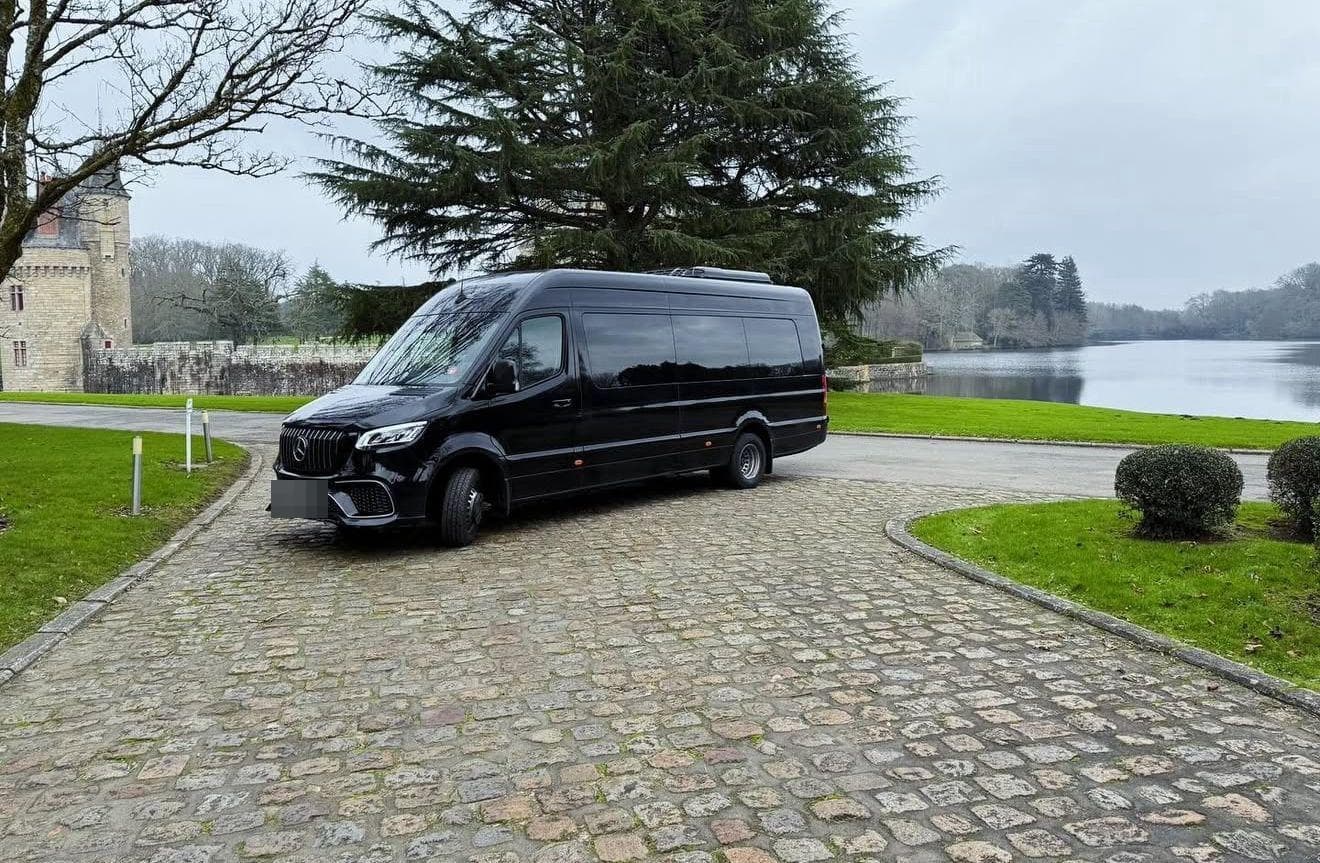
Paris to Courchevel | Private Chauffeur for the Ski Season
The definitive guide to Paris-Courchevel private chauffeur transfers: route options, vehicle selection for alpine conditions, timing the ski season, and how FFGR Paris runs the winter mountain corridor.
9 min