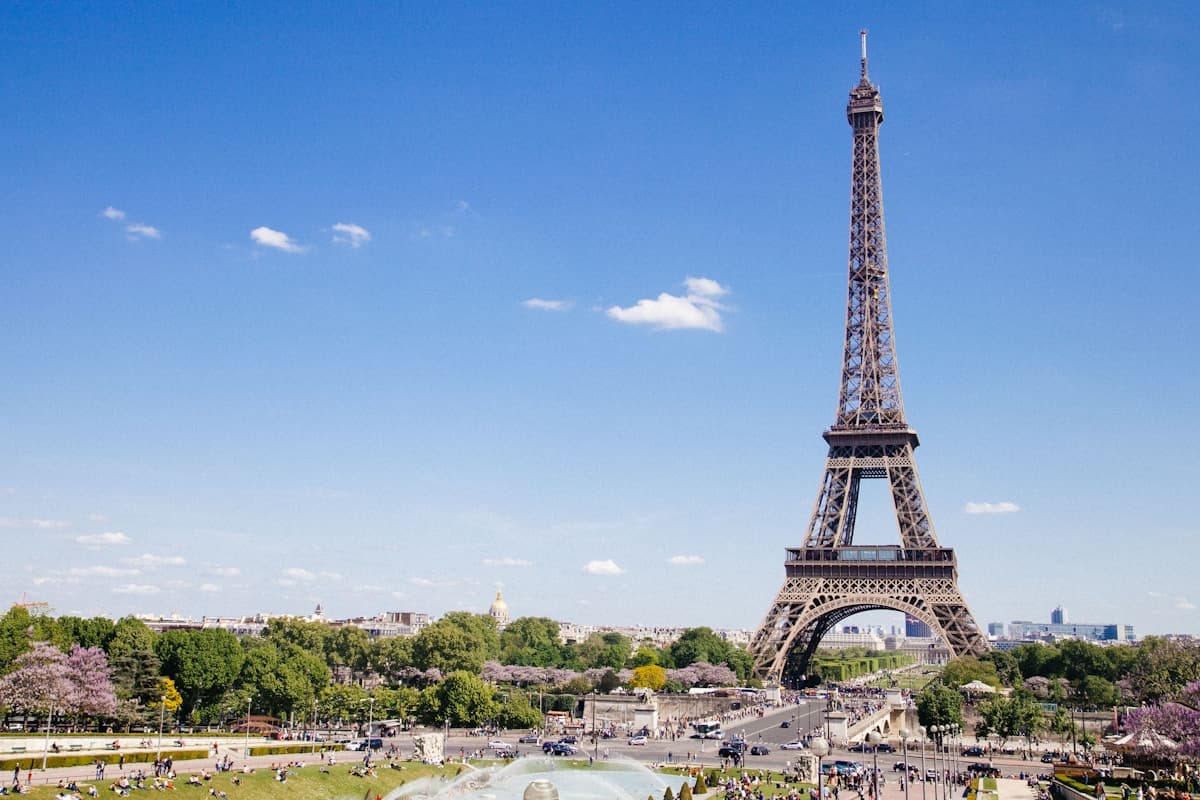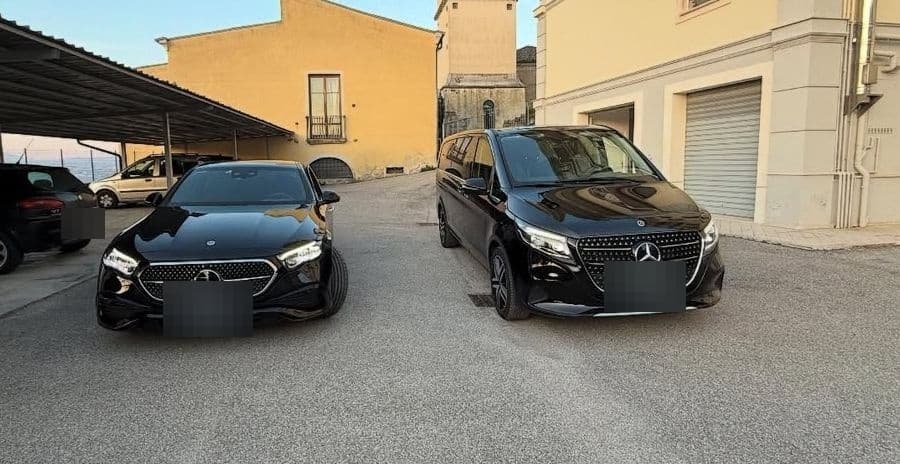
Paris is undergoing the most significant cultural shift in the history of its luxury industry: the clientèle that has historically defined Parisian luxury, the UHNW families, the sovereign wealth funds, the fashion-conscious ultra-wealthy, is increasingly integrating sustainability criteria into purchasing decisions, investment mandates, and lifestyle choices. The French luxury industry's response has been characterised by the same thoroughness it brings to craft: LVMH's LIFE 360 programme (a €1+ billion commitment to environmental transformation across 75 brands), Kering's Environmental Profit and Loss account (the first major corporation to systematically calculate the full ecological cost of its supply chain), Hermès's repair charter (guaranteeing lifetime repair for every Hermès object ever made). Paris is the city where sustainable luxury is being invented, not as a marketing position but as a genuine industrial transformation. FFGR provides the electric and hybrid fleet transport for the UHNW clients and institutional actors navigating this new Parisian circuit.
The repair ateliers of the Paris luxury maisons
The most important sustainability statement in Paris luxury is not the launch of an eco-collection, it is the repair atelier, the most tangible expression of the French conception of durability through craft excellence:
**Hermès (24 Rue du Faubourg Saint-Honoré 75008, and the Hermès Repair Centre, 13-15 Rue de la Ville-l'Évêque 75008):** Hermès operates the most extensive repair service in the luxury industry, the Hermès "Petit h" repair and upcycling programme and the Hermès repair charter guarantee lifetime maintenance for every Birkin, Kelly, and Constance bag produced since 1935. The Hermès repair atelier accepts objects from any Hermès owner regardless of the year of purchase, a 1960s Birkin with a broken clasp will be repaired using the same craftsperson skills and hardware specifications as those used in the original production. Waiting times for major repairs: 6-18 months (reflecting the genuinely handcraft nature of the work). The Hermès repair service is not marketed as sustainability, it is described internally as the natural expression of the Hermès philosophy of objects made to last forever.
**Louis Vuitton (2 Rue du Pont-Neuf 75001, main Paris store; and the LV repair ateliers, 2 Rue Scribe 75009):** Louis Vuitton maintains repair workshops in Paris staffed by the same trained maroquiniers (leather artisans) who produce new pieces. The LV repair service covers the full LV range, from the classic Monogram canvas bags (the canvas was invented by Georges Vuitton in 1896 and has been in continuous production since) to the Capucines and Petite Malle leather pieces. LV has also launched "Série Limitée de Métiers d'Art" pieces made from deadstock heritage canvas from the LV archives.
**Chanel (31 Rue Cambon 75001, boutique; Chanel workshops at 135 Avenue Charles de Gaulle, Neuilly-sur-Seine):** Chanel's acquisition of its specialist suppliers (the Paraffection network, Maison Lemarié for feathers, Maison Lesage for embroidery, Maison Goossens for jewellery, Massaro for shoes) since 1985 is the most ambitious vertical integration in haute couture and serves simultaneously as a sustainability strategy (control of the supply chain) and a craft preservation programme. The Chanel repair service for the 2.55 bag (introduced 1955, in continuous production since) is handled by the same ateliers that produce new bags, the distinction between "new" and "repaired" reflects the French conception of quality as timelessness.
The Paris pre-owned and resale luxury platforms
Paris is the global capital of the luxury pre-owned market, the city where the secondary market for the most significant fashion objects has the deepest liquidity and the highest concentration of expertise:
**Vestiaire Collective (255-259 Rue de Bercy 75012, in the 12ème, near the Gare de Lyon; and a flagship retail space at 158 Rue du Faubourg Saint-Honoré 75008):** founded in Paris in 2009 by Sébastien Fabre and Sophie Hersan, Vestiaire Collective is the world's largest luxury fashion resale platform, 16 million members, 3 million items listed, operating in 50 countries with authentication centres in Paris, New York, Hong Kong, and Seoul. The Vestiaire Collective business model is the most sophisticated peer-to-peer luxury resale operation: every item above €100 is physically authenticated by a trained quality expert before delivery. The company is certified B Corp (since 2021) and has banned the listing of fast fashion brands on the platform (since 2022). The 158 Rue du Faubourg Saint-Honoré flagship (opened 2023) positions Vestiaire Collective as a physical retail player in the most prestigious luxury address in Paris.
**Collector Square (62 Rue de l'Arcade 75008, in the 8ème, near the Madeleine):** Collector Square is the most prestigious physical pre-owned luxury boutique in Paris, specialising in Hermès (Birkin, Kelly, Constance), Louis Vuitton (vintage trunk collection, Speedy and Neverfull vintage), Chanel (2.55 vintage, Jumbo Classic Flap), and fine jewellery. The Collector Square authentication and valuation service is considered the benchmark for Hermès bag valuation in the French market, the company's published price indices are used by insurance companies and estate managers to value UHNW collections.
**Instant Luxe (10 Avenue de la Madeleine 75008, and the Galerie Vivienne location):** the Instant Luxe vintage and pre-owned boutiques are the reference for access-luxury resale, price points from €300 to €30,000, covering the most sought-after references from Chanel, Louis Vuitton, Gucci, Prada, and the luxury watch market. The Galerie Vivienne location (built 1823, one of the covered passages of the 2ème arrondissement) places the Instant Luxe boutique in the most architecturally significant shopping environment in Paris.
Eco-luxury brands: the new Paris responsible fashion map
A new generation of Paris-based luxury brands has built their identity on environmental and social responsibility without compromising on the quality and exclusivity that defines the luxury proposition:
**Stella McCartney (Paris showroom, 10-12 Rue de Tournon 75006, in the 6ème, near the Luxembourg gardens; and the flagship at 114 Rue du Faubourg Saint-Honoré 75008):** Stella McCartney has been the most commercially successful sustainable luxury fashion brand since its founding in 2001, the first major luxury fashion house to operate without leather or fur, and the first to conduct a full lifecycle analysis of its products. McCartney's Paris presence is centred on the Faubourg Saint-Honoré flagship (adjacent to Hermès and Christian Louboutin) and the Tournon showroom, which serves the wholesale buyers and press for the Paris Fashion Week season. The brand's partnership with LVMH (which took a minority stake in 2019 and returned it in 2023 following McCartney's decision to remain fully independent) positioned sustainable luxury as a credible commercial category within the LVMH constellation.
**Veja (48 Rue de Bretagne 75003, showroom in the Marais; retail concept stores at 5 Rue des Halles 75001):** Veja is the most commercially successful eco-luxury footwear brand in France, founded in 2004 by Sébastien Kopp and François-Ghislain Morillion, producing sneakers and shoes entirely from organic cotton (GOTS certified), fair-trade wild rubber from the Brazilian Amazon, and chrome-free leather. Veja does not advertise, its marketing budget is diverted into higher supply chain costs. The brand has achieved revenues exceeding €120 million annually with a waiting list for its most popular references (V-10 and Campo, the sneaker models worn by Meghan Markle and Emma Watson generating media coverage the brand did not purchase).
**Maison Kitsuné (52 Rue de Richelieu 75001, and the Palais Royal garden cafe location):** founded by Gildas Loaëc and Masaya Kuroki in 2002, Maison Kitsuné is the most influential Franco-Japanese lifestyle brand of the last decade, combining a fashion label (organic cotton collections, French production) with a cafe concept (Cafe Kitsuné, Palais Royal, Tokyo, Seoul, New York, Los Angeles) and a music label. The Palais Royal location (in the gardens of the Palais Royal, adjacent to the Conseil d'État) is the most photographed sustainable luxury retail space in Paris.
The institutional sustainable luxury circuit: LVMH, Kering, Maison Mode Environnement
The institutional dimension of Paris sustainable luxury is led by the two dominant luxury groups:
**LVMH LIFE 360 (22 Avenue Montaigne 75008, LVMH headquarters):** the LVMH LIFE 360 programme (LVMH Initiatives For the Environment) is a €1+ billion commitment running to 2030, covering four pillars: creative circularity (achieving 100% sustainable materials for new products by 2030), biodiversity (protecting 5 million hectares of natural ecosystems in partnership with WWF and the French biodiversity agency), climate (100% renewable energy for all LVMH operations by 2026, net zero by 2050), and transparency (full supply chain traceability for all 75 LVMH brands). The LVMH Avenue Montaigne headquarters is accessible to investors, press, and institutional sustainability partners by appointment through the Communications department.
**Kering (40 Rue de Sèvres 75007, headquarters; and the Kering Foundation at the same address):** Kering introduced the first Environmental Profit and Loss (EP&L) account in a major corporation in 2012, a methodology that calculates the full ecological cost of the supply chain (water use, greenhouse gas emissions, air pollution, land use, waste) in monetary terms. The 2022 Kering EP&L showed an environmental cost of €897 million for the group, a number that Kering uses to drive internal procurement decisions and to engage suppliers on improvement targets. The Kering Foundation (charitable arm) focuses on preventing violence against women globally, a social sustainability programme that complements the environmental focus of the group.
**Institut Français de la Mode (IFM), sustainability research (36 Quai d'Austerlitz 75013):** the IFM sustainability research programme is the academic reference for sustainable fashion in France, publishing the annual "Fashion Sustainability Index" and conducting the research that informs the regulatory framework (the French Anti-Waste for a Circular Economy law of 2020, which banned the destruction of unsold clothing and set mandatory repairability scores for fashion products, was informed by IFM research).
The Paris circular economy circuit for UHNW collections
The UHNW client with significant fashion, jewellery, and art collections is increasingly engaging with the circular economy not as an ideological choice but as a collection management strategy:
**Appraisal and donation, the Musée des Arts Décoratifs and the Palais Galliera:** the major Paris fashion museums accept donations of significant fashion objects under the French régime des dons aux musées (donations to museums), a fiscal regime that allows the donor to deduct 60% of the market value of the donated object from their income tax, up to 20% of their taxable income per year. The MAD (107 Rue de Rivoli 75001) and the Galliera (10 Avenue Pierre 1er de Serbie 75016) both accept significant haute couture pieces, vintage jewellery, and fashion archives. FFGR provides transport for clients meeting with the curators of these institutions for collection review and donation coordination.
**The vintage auction circuit as sustainability:** the Christie's and Sotheby's fashion and jewellery auctions in Paris are increasingly framed by both the auction houses and buyers as sustainable consumption, keeping significant objects in circulation rather than in private storage or destruction. The Christie's "What Goes Around Comes Around" fashion sale (inaugurated 2019) and the Sotheby's "Heirloom" jewellery sales position resale as the prestige option.
**The textile upcycling ateliers:** a generation of Paris artisans is working with the deadstock and archive materials of the major fashion houses, Maison Margiela's "Artisanal" line (made entirely from vintage and deadstock materials), the Re-Nylon programme of Prada (converting ocean plastic to regenerated nylon for Prada accessories), and the independent upcycling ateliers of the Marais (Atelier Tuffery, founded 1892, the oldest French denim manufacturer, now producing heritage jeans from French organic cotton in the Lozère workshop accessible by appointment).
**Contact:** reservation@ffgrparis.com · WhatsApp +33 7 43 46 14 91.
FFGR electric fleet: sustainable transport for the responsible luxury client
FFGR has integrated electric and hybrid vehicles into its fleet as the natural choice for clients whose values include environmental responsibility:
**The FFGR electric fleet:** the primary vehicle for sustainability-oriented clients is the Mercedes EQS 450+ (the fully electric version of the Mercedes S-Class platform, 770km WLTP range, 245kW motor, the same luxury interior specification as the S-Class 580 L). For clients preferring the established S-Class aesthetic with reduced emissions, the Mercedes S 500 L Plug-In Hybrid (50km electric range covering the majority of Paris urban journeys, WLTP combined 2.6L/100km) provides the compromise.
**The carbon calculation:** a single Paris-to-Versailles journey by FFGR EQS (35 kilometres) produces zero tailpipe emissions and approximately 1.8 kg CO2 equivalent on a French electricity grid (89% nuclear and renewable in 2024). The same journey by a conventional gasoline S-Class produces approximately 4.2 kg CO2 tailpipe. For a full Paris fashion week programme (5 days, 12-15 daily journeys), the difference represents approximately 40 kg CO2, the equivalent of one transatlantic flight economy class.
**The offset programme:** for clients requiring complete emissions neutralisation, FFGR coordinates offset through the Landes de Gascogne reforestation programme (Forêt Landes, the world's largest man-made forest, 1 million hectares in southwest France) operated by the Centre Régional de la Propriété Forestière Nouvelle-Aquitaine.
**Reporting:** for institutional clients with Scope 3 emissions reporting obligations (under the EU Corporate Sustainability Reporting Directive, CSRD, effective 2024), FFGR provides a detailed transport emissions report for each mission, date, distance, vehicle type, calculated CO2 equivalent, suitable for inclusion in ESG reports.
Contact: reservation@ffgrparis.com · WhatsApp +33 7 43 46 14 91.
Reserva
The Paris sustainable luxury circuit, from the repair ateliers of Hermès and Chanel to the resale boutiques of the Faubourg Saint-Honoré, from the Stella McCartney flagship to the Kering EP&L methodology, represents the most advanced integration of environmental responsibility and luxury excellence in the world. FFGR accompanies this circuit with an electric and hybrid fleet that aligns the transport with the values of the clients it serves. Contact us: reservation@ffgrparis.com · WhatsApp +33 7 43 46 14 91.
Reservar ahoraArtículos relacionados
 prestige
Paris Private Chauffeur | The Complete Insider Guide
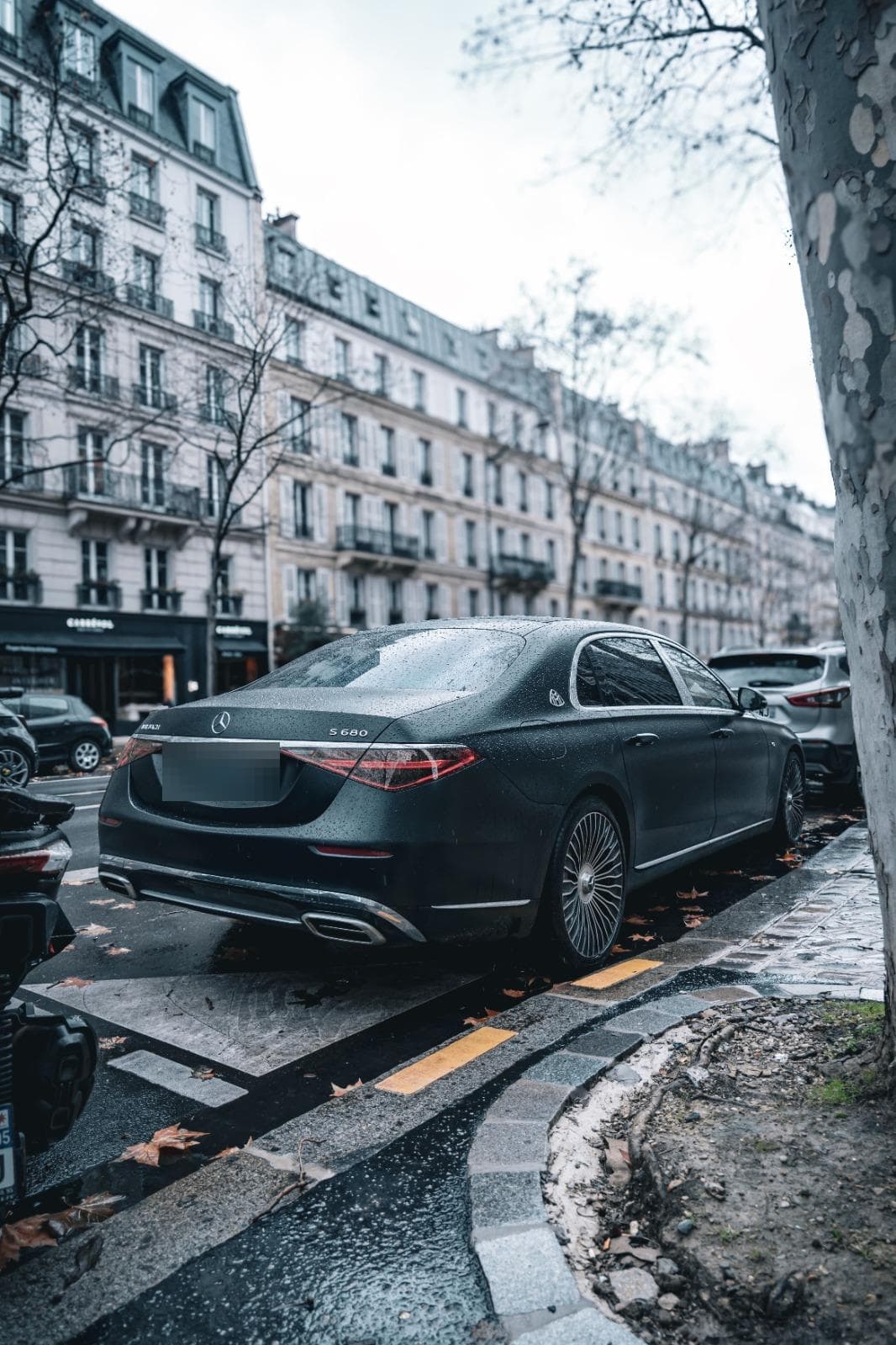
Everything a UHNW traveler needs to know about private chauffeur services in Paris: CDG protocols, the ZTL arrondissement rules, how to navigate the Périphérique during Fashion Week, and what FFGR Paris delivers that a taxi app cannot.
9 min
 prestige
CDG Airport Transfer Paris | The FFGR Private Arrival Protocol
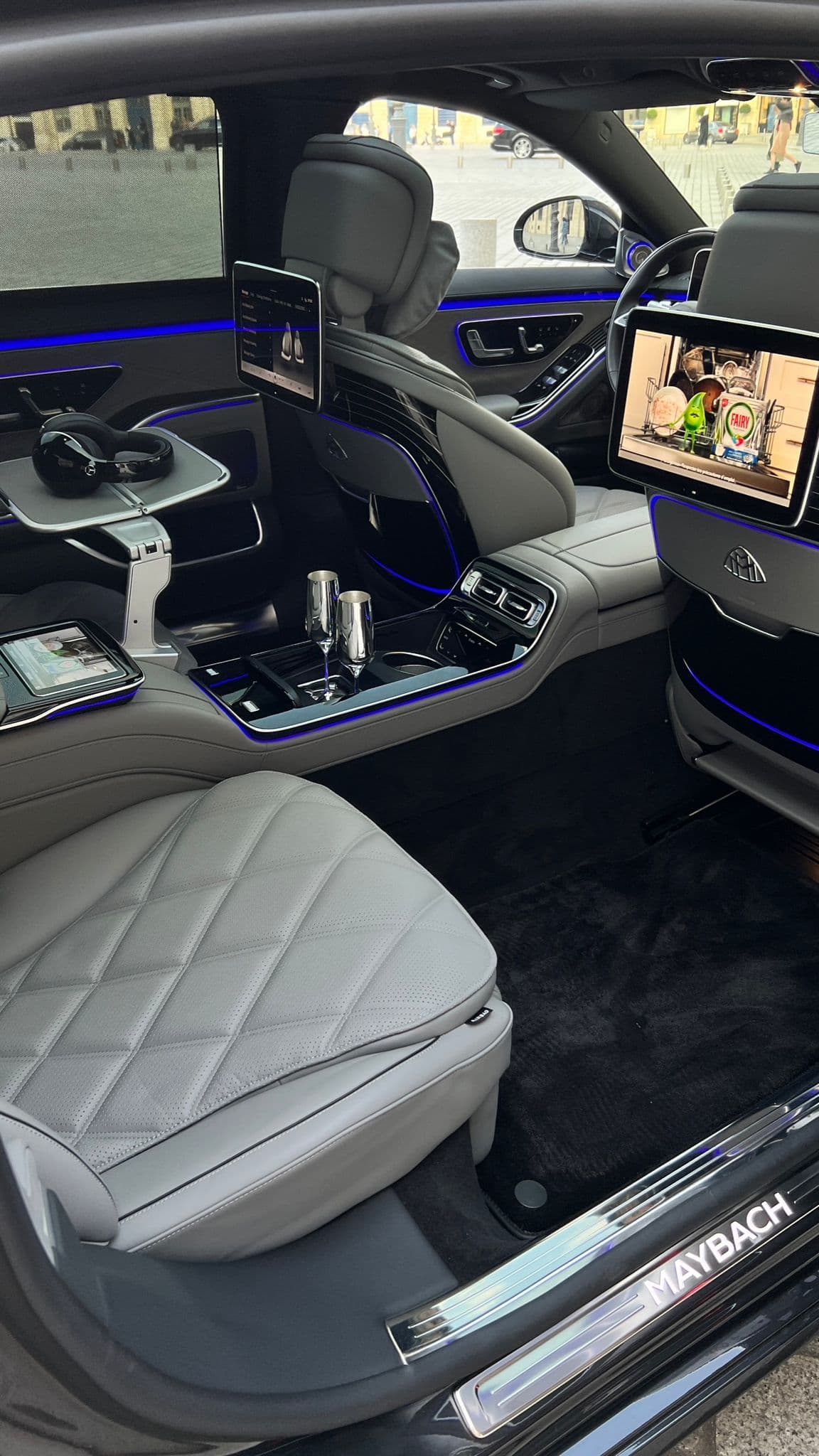
How FFGR Paris orchestrates private transfers from Charles de Gaulle: apron access, La Première protocols, ZFE compliance, and the exact sequence that gets a principal to the 8th arrondissement in under sixty minutes.
8 min
 prestige
Paris New Year\'s Eve | Private Chauffeur & VIP Midnight Transfer
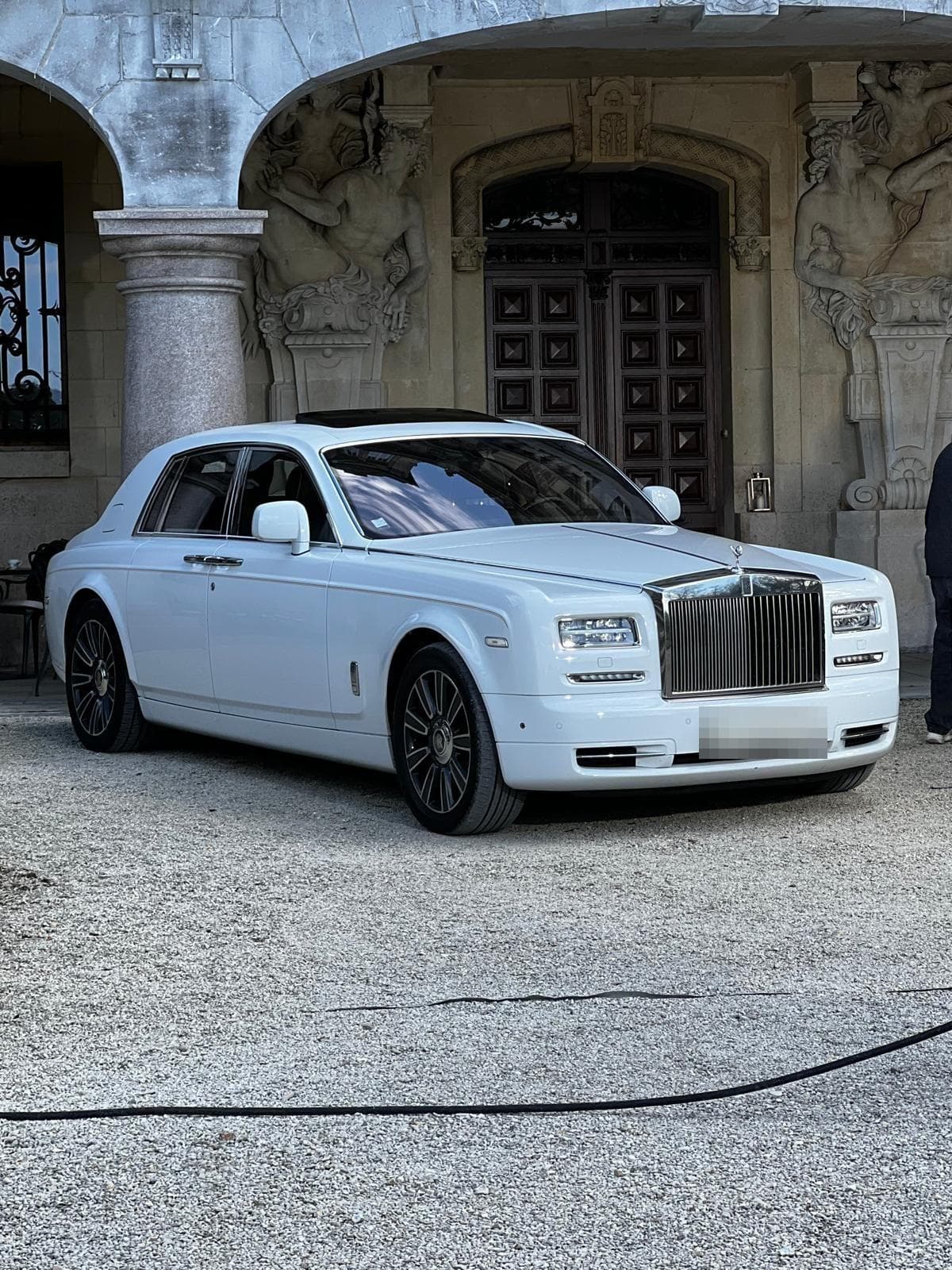
How FFGR Paris operates New Year's Eve: Champs-Élysées midnight access protocols, pre-booked vehicle positioning, private dinner transfers, and why NYE is the one night in Paris when ground transport planning is not optional.
8 min