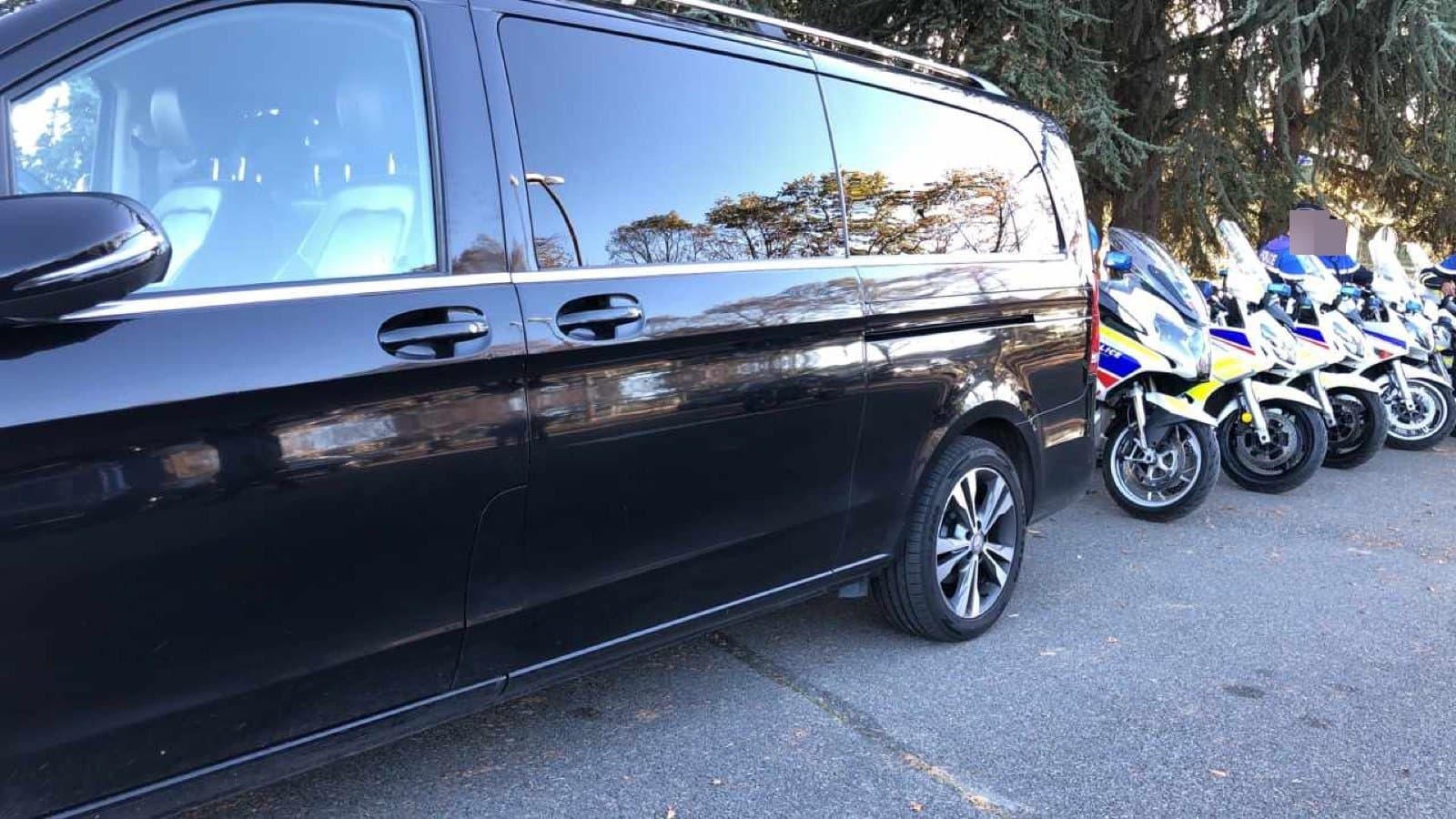
The Seine-et-Marne department (77, the largest department of the Île-de-France region, 5,915 km², immediately southeast and east of Paris beyond the Marne river) is among the least-visited of the near-Paris heritage zones despite containing some of the most significant monuments in France: Vaux-le-Vicomte (the château and gardens created by the three designers who subsequently built Versailles, Le Vau, Le Nôtre, and Le Brun, for Louis XIV's finance minister Nicolas Fouquet, and inaugurated at a dinner of such legendary magnificence that Louis XIV had Fouquet arrested three weeks later), Provins (the UNESCO-listed medieval market town that was one of the six venues of the 12th-century Champagne trade fairs, the most important commercial events of medieval Western Europe), and the Brie plateau (the source of the two principal Brie AOP cheeses, Brie de Meaux and Brie de Coulommiers). Paris to Vaux-le-Vicomte is 55 km (A5/D215, 50-60 minutes from the 7ème), making the Seine-et-Marne circuit the most accessible major château and heritage circuit from Paris that is not at Versailles.
Vaux-le-Vicomte: the Fouquet château and its gardens
Vaux-le-Vicomte (Château de Vaux-le-Vicomte, 77950 Maincy, Seine-et-Marne, 55 km southeast of Paris via the A5 motorway and D215, accessible from the A5 Melun exit) was built between 1656 and 1661 by Nicolas Fouquet, France's Surintendant des finances under Louis XIV, using the same three men who would subsequently build Versailles: Louis Le Vau (architect), André Le Nôtre (garden designer), and Charles Le Brun (interior decorator and painter). The result was the most complete and coherent 17th-century French domestic baroque ensemble in existence: a château surrounded by a moat, set within 33 hectares of formal gardens with the longest vista in French garden design (the central axis runs 1.5 km from the north facade to the canal and culminates in a gilded Hercules). The interior is among the best-preserved 17th-century domestic interiors in France: the Salon des Muses (the central oval salon under the dome, with Le Brun's ceiling frescoes), the Chambre du Roi (the royal bedroom prepared for Louis XIV), and the Grande Chambre Carrée (the state dining room).
The legendary Fouquet dinner of 17 August 1661: Fouquet inaugurated Vaux-le-Vicomte with a dinner for Louis XIV, the royal court, and 6,000 guests, a programme that included the premiere of Molière's "Les Fâcheux" and fireworks. Three weeks later, on 5 September 1661, Louis XIV had Fouquet arrested on charges of embezzlement, and subsequently commissioned Le Vau, Le Nôtre, and Le Brun to construct Versailles, ensuring that Vaux-le-Vicomte remained, in the king's estimation, surpassed.
The Vaux-le-Vicomte candlelight evenings (every Saturday evening, May-October, 20h00-24h00): the château and gardens are illuminated by 2,000 candles, the most atmospheric visit in the Île-de-France circuit. The FFGR vehicle departs Paris 18h30 for the 20h00 opening, remaining for the illuminated garden walk and the midnight fireworks (first Saturday of each month).
Provins: the UNESCO medieval market town and Champagne fair capital
Provins (77160 Provins, Seine-et-Marne, 90 km southeast of Paris via the A4/N19 or via the A5/N36, 1h-1h15 from central Paris) is a UNESCO World Heritage Site (2001, "Town of Medieval Fairs"), the best-preserved medieval commercial town in northern France and one of the six venues (along with Troyes, Bar-sur-Aube, Lagny-sur-Marne, Saint-Ayoul, and Bar-sur-Seine) of the Champagne trade fairs of the 12th and 13th centuries: the biannual fairs that were the principal commercial exchange points of medieval Western Europe, attended by merchants from Flanders, Italy, England, and the Levant to trade cloth, spices, metal goods, and financial instruments (the Champagne fairs were the origin of many modern financial instruments, including the lettre de foire, a precursor to the bill of exchange).
The Haute Ville (the upper town on the promontory): the Tour César (the 12th-century keep, 44m, the signature monument of Provins, round tower with a square plinth, the finest example of Champagne military architecture), the Collégiale Saint-Quiriace (the collegiate church begun c. 1160 with a partial Gothic nave), the Grange aux Dîmes (the 13th-century tithe barn, now a museum of medieval commerce), and the Enceinte de Provins (the 2.5 km of surviving medieval walls with towers and gates).
The souterrain de Provins (the underground network beneath the Haute Ville): an estimated 600 metres of 12th-13th-century underground galleries and cellars dug into the chalk beneath the town, originally used for artisan work (tanning, dyeing, wine storage) during the fair season, accessible via guided tour only (departure from the Grange aux Dîmes).
The Brie cheese route: Meaux and Coulommiers
The Brie plateau (the agricultural plateau between the Marne valley to the north and the Seine valley to the south, extending from Meaux in the west to Coulommiers in the east) has produced Brie cheese since at least the 8th century, Charlemagne is recorded as having first tasted Brie de Meaux at the Priory of Reuil-en-Brie in 774 CE, the earliest documented reference to the cheese. The Brie plateau currently produces two AOP-designated Brie cheeses:
**Brie de Meaux AOP** (the larger wheel, 36-37 cm diameter, 2.5-3.0 kg, minimum 4 weeks affinage, at its best 6-8 weeks): the "King of Cheeses" as declared at the Congress of Vienna in 1815 (Talleyrand reportedly served it and it was voted unanimously the finest cheese in Europe). The Laiterie de Meaux (at Meaux 77100, the principal producer of Brie de Meaux AOP, located 52 km east of Paris via the A4, visits by appointment) is the reference affinage address for the format.
**Brie de Coulommiers AOP** (also called simply "Coulommiers", the smaller wheel, 26-28 cm, 450-500g, milder and creamier than Brie de Meaux, shorter affinage of 4-6 weeks): Coulommiers (77120 Coulommiers, 65 km east of Paris via the N36) is the market town for the eastern Brie producers. The Saturday morning market on the Place des Capucins (08h00-12h30) is the principal retail venue for direct-from-producer Brie purchases.
For the FFGR Brie gastronomic programme: Paris → Meaux (52 km, A4, 45 minutes, Laiterie de Meaux appointment 10h00-11h30) → Coulommiers (22 km east, N36, 20 minutes, Saturday market) → Provins (20 km east, N36, 20 minutes, lunch) → return Paris (90 km, A4/N36, 1h15).
Blandy-les-Tours and the medieval fortress circuit
Blandy-les-Tours (77115 Blandy-les-Tours, Seine-et-Marne, 65 km southeast of Paris via the A5/N372, 15 km southwest of Vaux-le-Vicomte via the D215/D408): the most intact medieval fortress in the Île-de-France region, a 14th-century castle with five towers, a keep, and a complete curtain wall, set in the village of Blandy. The château was owned by Charles V of France, then passed to the Villeroy family (the same family of secretaries of state who served the French crown for 150 years from Henry III through Louis XIV). Unlike Vaux-le-Vicomte (which is private and admission-charging) and Versailles (which is state-owned and massively visited), Blandy-les-Tours is managed by the Seine-et-Marne département and receives 20,000-30,000 visitors annually, a completely uncrowded fortress experience 65 km from Paris.
**Château de Grosbois** (94420 Grosbois, near Boissy-Saint-Léger, Val-de-Marne, technically within the Val-de-Marne department adjacent to the Seine-et-Marne, 30 km southeast of Paris via the A4): the 17th-century château that served as the residence of Marshal Berthier (Napoleon's chief of staff) and is now the headquarters of the Société d'Encouragement pour l'Amélioration des Races de Chevaux en France, the French national racing authority. Château de Grosbois is the site of the leading trotting horse training facility in France and holds trotting race meetings on its private track (visits and race days by arrangement).
The Disneyland Paris adjacent programme
Disneyland Paris (77777 Chessy, Seine-et-Marne, 32 km east of Paris via the A4 motorway, 35-40 minutes from central Paris) occupies 1,943 hectares at the edge of the Brie plateau, immediately adjacent to the Brie cheese country and within 35 km of Provins. For FFGR clients travelling with families who combine a Disney programme with a heritage or gastronomic programme in the Seine-et-Marne:
**Disneyland Paris vehicle drop-off protocol:** the VIP access to Disneyland Paris requires vehicle approach via the Route de la Teissonnière (the service approach from the Val d'Europe car park zone, with VIP coach lanes separate from the public car park approach). The FFGR vehicle drops off at the VIP Entrance (the main park entrance level, east of the central hub roundabout, separate from the RER terminus), with the vehicle stationed at the Val d'Europe commercial complex (1 km) during the park visit.
**Combined programme example:** Paris hotel departure 07h30 → Disneyland Paris drop-off 08h15 (before 09h00 park opening for early entry) → vehicle to Provins for château and medieval town programme (35 km via D934, 40 minutes) → client collection from Disneyland Paris 18h00-19h00 (pre-arranged meeting point at the Fantasia Parkway VIP gate) → return Paris 19h30-20h30.
Booking the FFGR Paris-Seine-et-Marne programme
The FFGR Paris-Seine-et-Marne circuit is offered in three formats:
**Vaux-le-Vicomte day programme:** Paris departure 09h30 (for 11h00 château opening) or 18h30 (for the candlelight evening, Saturday only, May-October). The daytime programme includes the château interior, the Le Nôtre gardens walk (minimum 2h for the full 1.5 km garden axis), and the carriage museum. Return Paris: 15h00-16h00 (day visit) or 00h30 (candlelight evening).
**Seine-et-Marne heritage circuit:** Vaux-le-Vicomte (morning) → Blandy-les-Tours (lunch, 15 km via D215/D408) → Provins (afternoon Tour César and souterrain) → return Paris. Total distance: 200 km circuit, full day (09h30 departure, 20h00 return).
**Brie gastronomic programme:** Paris → Meaux Laiterie → Coulommiers Saturday market → Provins lunch → return Paris. Saturday-only programme, 08h00 departure for the market, return 17h00.
For the Vaux-le-Vicomte candlelight evening, advance ticket purchase is strongly recommended (tickets available from the château website, typically sold out 2-3 weeks in advance for Saturday peak season). FFGR does not sell tickets but coordinates the booking timeline with the vehicle programme.
Contact us at reservation@ffgrparis.com or WhatsApp +33 7 43 46 14 91.
预订
The Seine-et-Marne from Paris, Vaux-le-Vicomte by candlelight on a Saturday evening, the Tour César above the UNESCO medieval market streets of Provins, Brie de Meaux at its source on the Brie plateau, and the intact 14th-century fortress of Blandy-les-Tours, constitutes the Île-de-France's most complete circuit of baroque gardens, medieval heritage, and artisan gastronomy outside Versailles, within an hour of Paris. FFGR provides the vehicle for the complete Paris-Seine-et-Marne circuit. Contact us: reservation@ffgrparis.com · WhatsApp +33 7 43 46 14 91.
立即预订相关文章
 destinations
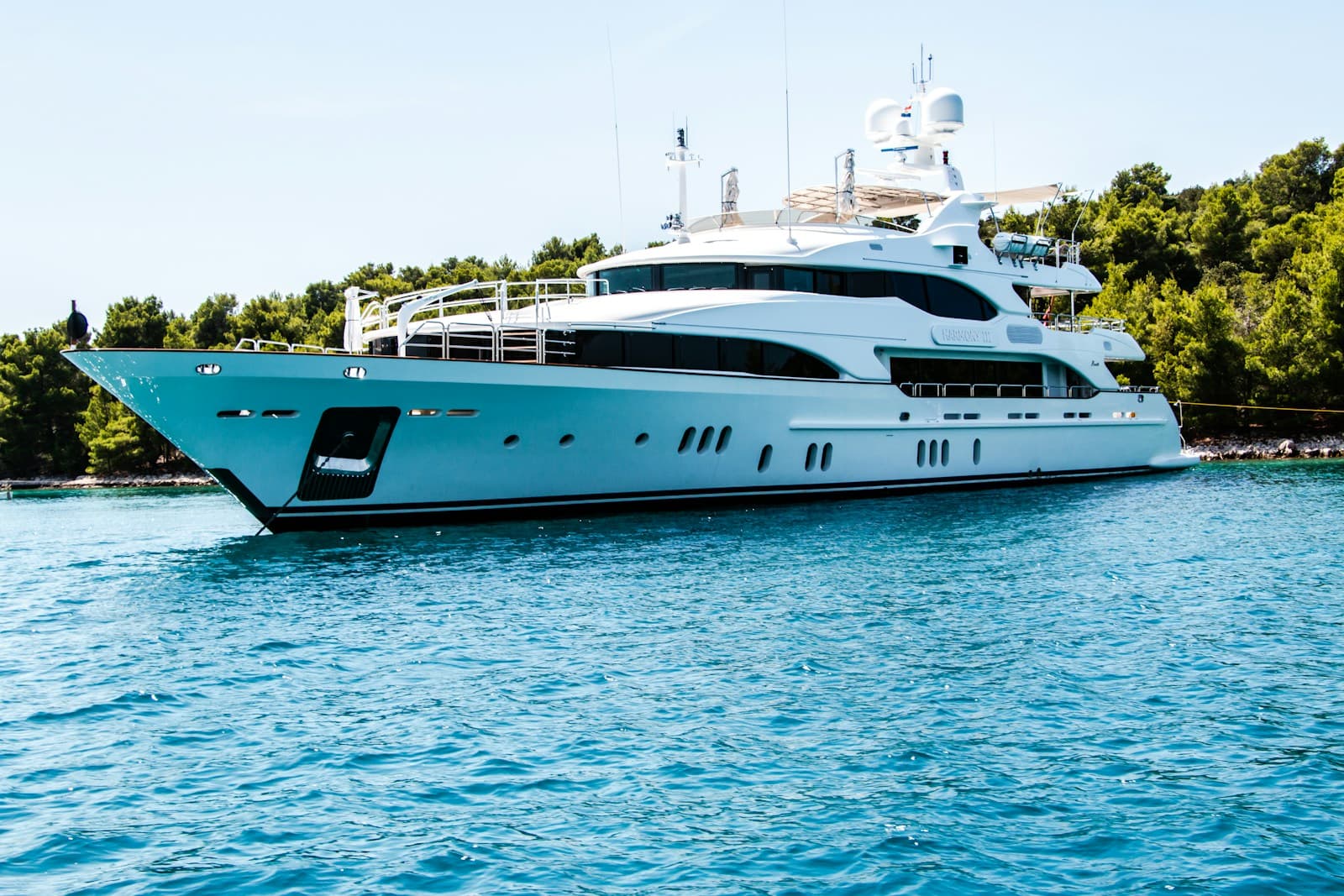
Côte d\'Azur Private Yacht | The FFGR Guide to the French Riviera by Sea
How to charter a superyacht or private boat on the Côte d'Azur: Monaco to Saint-Tropez, Cannes Film Festival logistics, anchorage selection, and what separates a true yacht charter from an online booking form.
8 min
 destinations
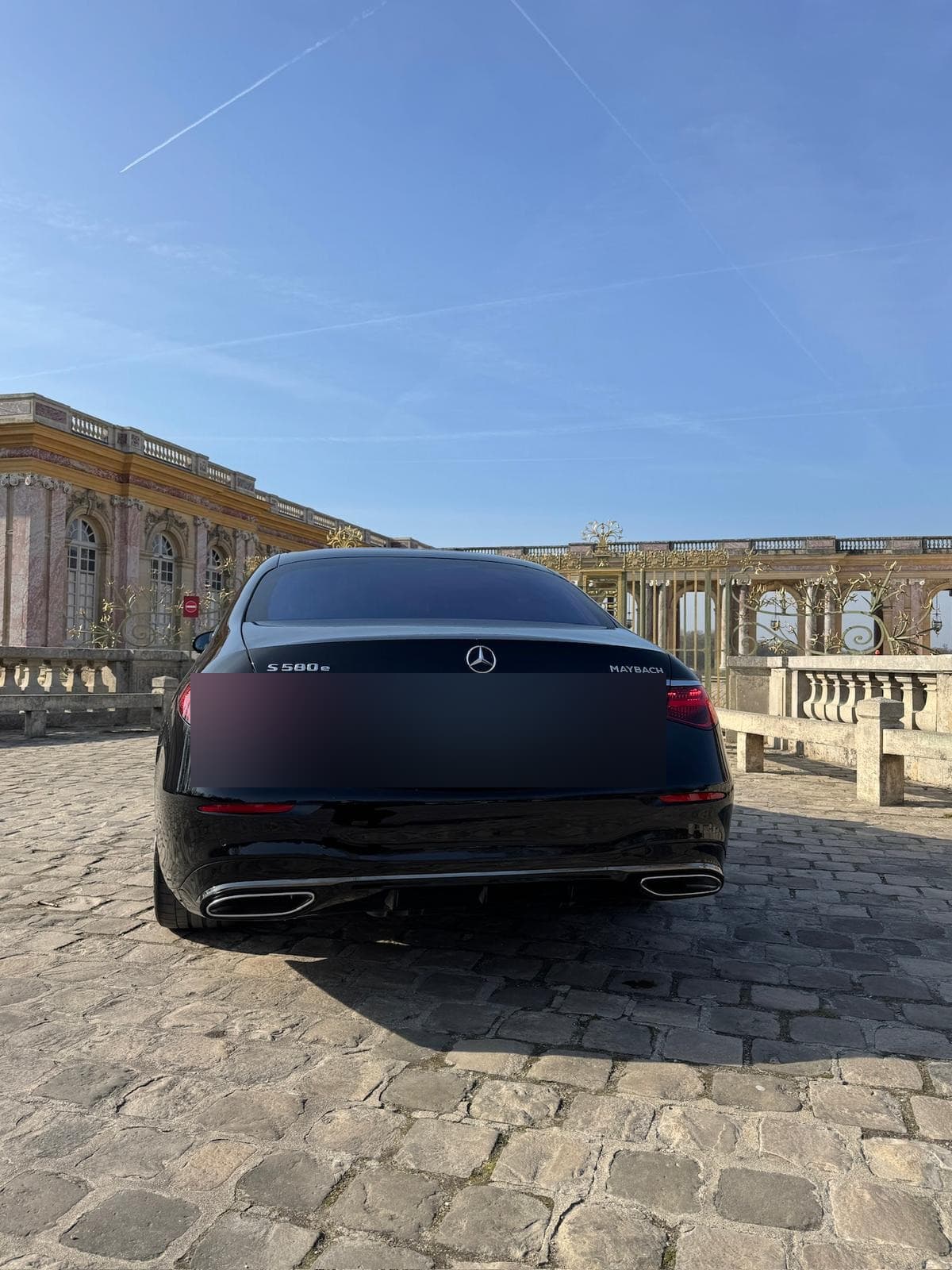
Versailles | The Private Access Guide for UHNW Visitors
How to experience the Château de Versailles as it was intended: before the crowds, after closing, with an art historian, in a Rolls-Royce. The FFGR Paris guide to private Versailles access.
8 min
 destinations
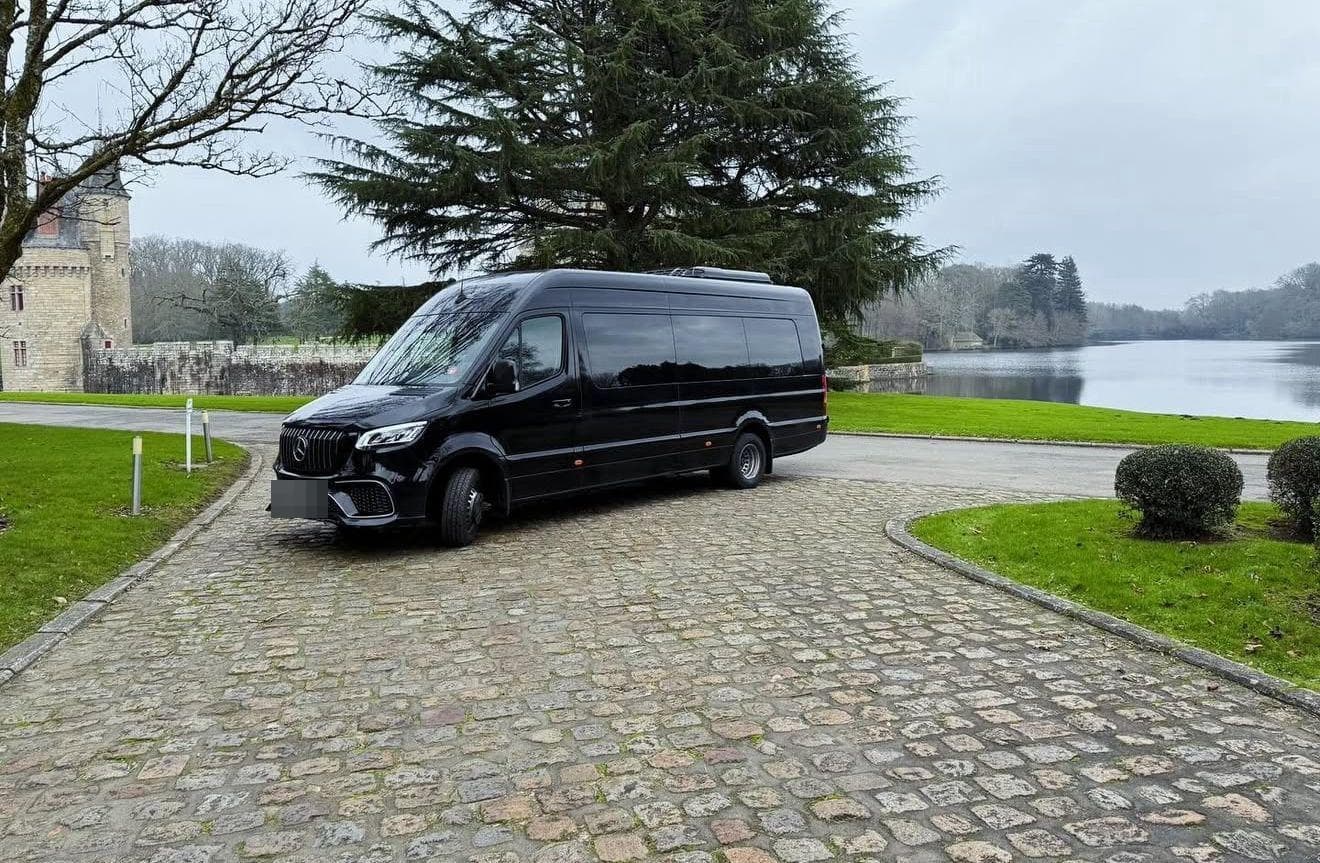
Paris to Courchevel | Private Chauffeur for the Ski Season
The definitive guide to Paris-Courchevel private chauffeur transfers: route options, vehicle selection for alpine conditions, timing the ski season, and how FFGR Paris runs the winter mountain corridor.
9 min