The Château de Versailles receives nine million visitors per year. On a July Tuesday at ten in the morning, the Hall of Mirrors contains approximately three thousand of them. The queue at the main entrance in the Cour d'Honneur begins forming before the gates open. Most visitors will spend more time waiting than looking. None of this has anything to do with the way FFGR Paris experiences Versailles, or the way our clients do.
The access question: what is actually possible
Versailles operates a structured private access programme that the Établissement Public de Versailles administers with considerable discretion. The access tiers are not publicly advertised. The most significant is the before-opening walk: a two-hour guided visit beginning at seven forty-five, in which a group of up to six guests moves through the Grands Appartements, the Hall of Mirrors, the King's and Queen's Chambers, and selected reserve wings that are never opened to the public during standard hours.
The second tier, which requires a separate permit obtained thirty to sixty days in advance, is the Gardens after closing. The Grandes Eaux Musicales fontaine programme runs on selected dates; the private evening session is available to event organisers who have submitted a cultural project proposal. We have done this for anniversaries, for proposals, for intimate corporate dinners in the Orangerie, and for a film production that required the North Parterre empty at dawn.
The art historian: who guides at this level
The difference between a standard guide and a Versailles-credentialed art historian is the difference between a caption and a conversation. Our Versailles specialists hold accreditation from the Réunion des Musées Nationaux and have, in most cases, worked as associate curators or restoration project consultants. They do not recite dates. They stand in front of the Le Brun ceiling in the War Room and explain what Louis XIV was communicating to the visiting Spanish ambassador in 1686, and why it still matters to the way France does diplomacy today.
The route is always tailored. A collector focused on decorative arts will spend time in the reserve collection and the Cabinet des Glaces that a diplomat interested in the monarchic protocol sequence will skip entirely in favour of the Ambassadors' Staircase and the Salon d'Apollon. We brief the historian in advance on each principal's background and interests.
The vehicle question: Versailles requires a particular approach
The Château is twenty-three kilometres southwest of central Paris via the A13 or the D910. In moderate traffic, the journey is thirty-five to forty-five minutes. During summer and public holidays, it extends to seventy to ninety minutes by the principal access routes; our drivers use the D10/D91 combination via Vélizy that clips forty-five minutes off the round trip for vehicles that know the local pattern.
The delivery point at Versailles depends on the access level. Standard public entrance means the Cour d'Honneur drop : which on a busy morning involves a vehicle queue. Our accredited guests arrive via the Grille du Dragon or the Cour des Princes depending on the programme, bypassing the public entrance entirely. The Rolls-Royce Phantom has used the Cour des Princes without incident; the V-Class is the practical choice for groups of four or more.
Trianon: the estate within the estate
The Grand Trianon and the Petit Trianon are on the Versailles grounds but functionally separate from the main château visit. Marie-Antoinette's Hamlet, the theatrical farm complex she commissioned as a retreat from court, is the most intimate and the most surprising element of the estate for principals who arrive expecting only the formal grandeur of the Sun King's palace.
Access to the Petit Trianon's private apartments and to the Queen's Hamlet during non-public hours requires a specific cultural programme agreement. We have coordinated this for editorial shoots, for an investment bank's client dinner in the Petit Trianon dining room, and for a family who requested the Hamlet at sunrise for a private photographic project. The common factor was advance planning and a relationship with the Établissement's events coordination desk.
The full programme: how a FFGR Versailles day is structured
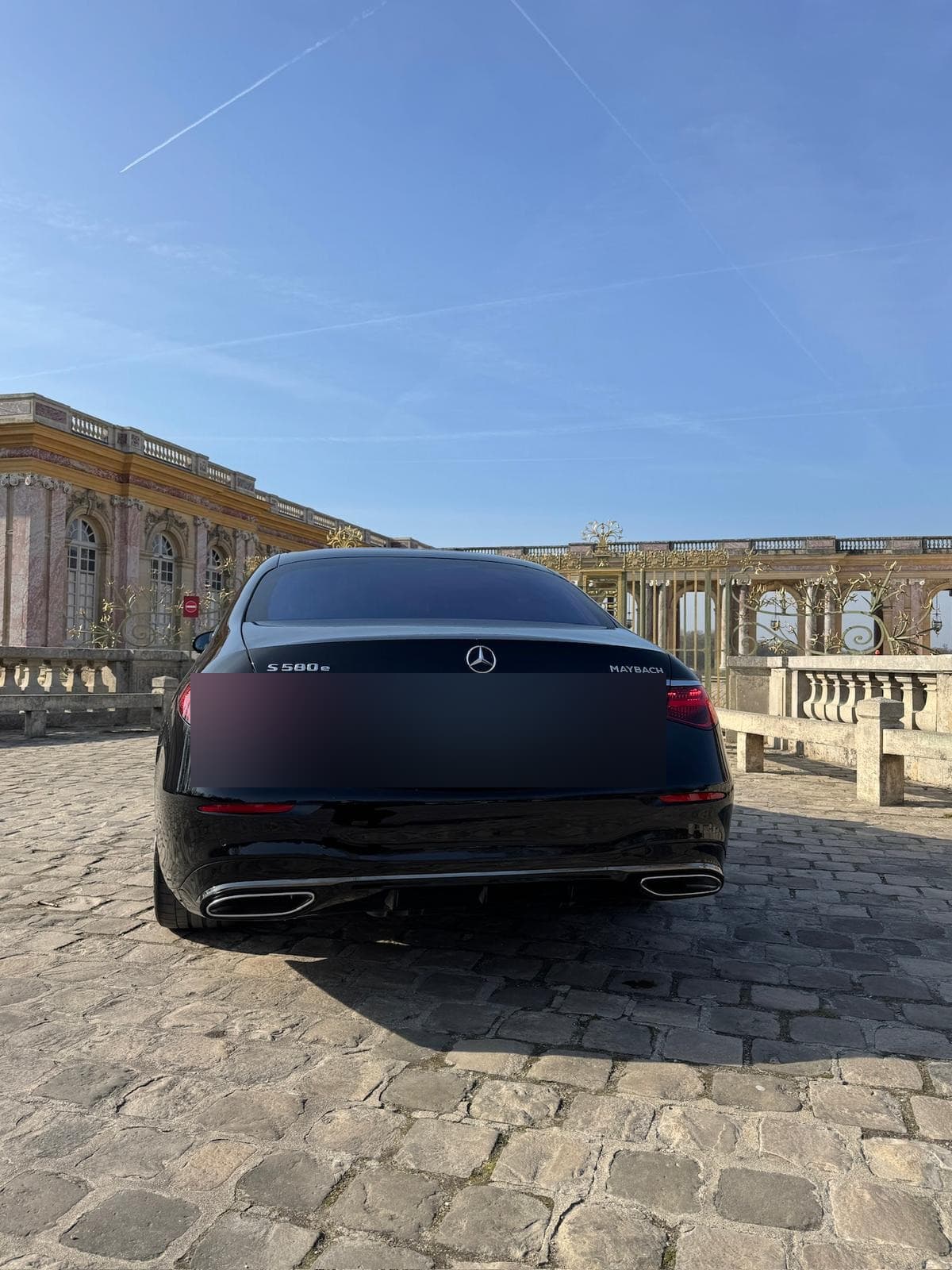
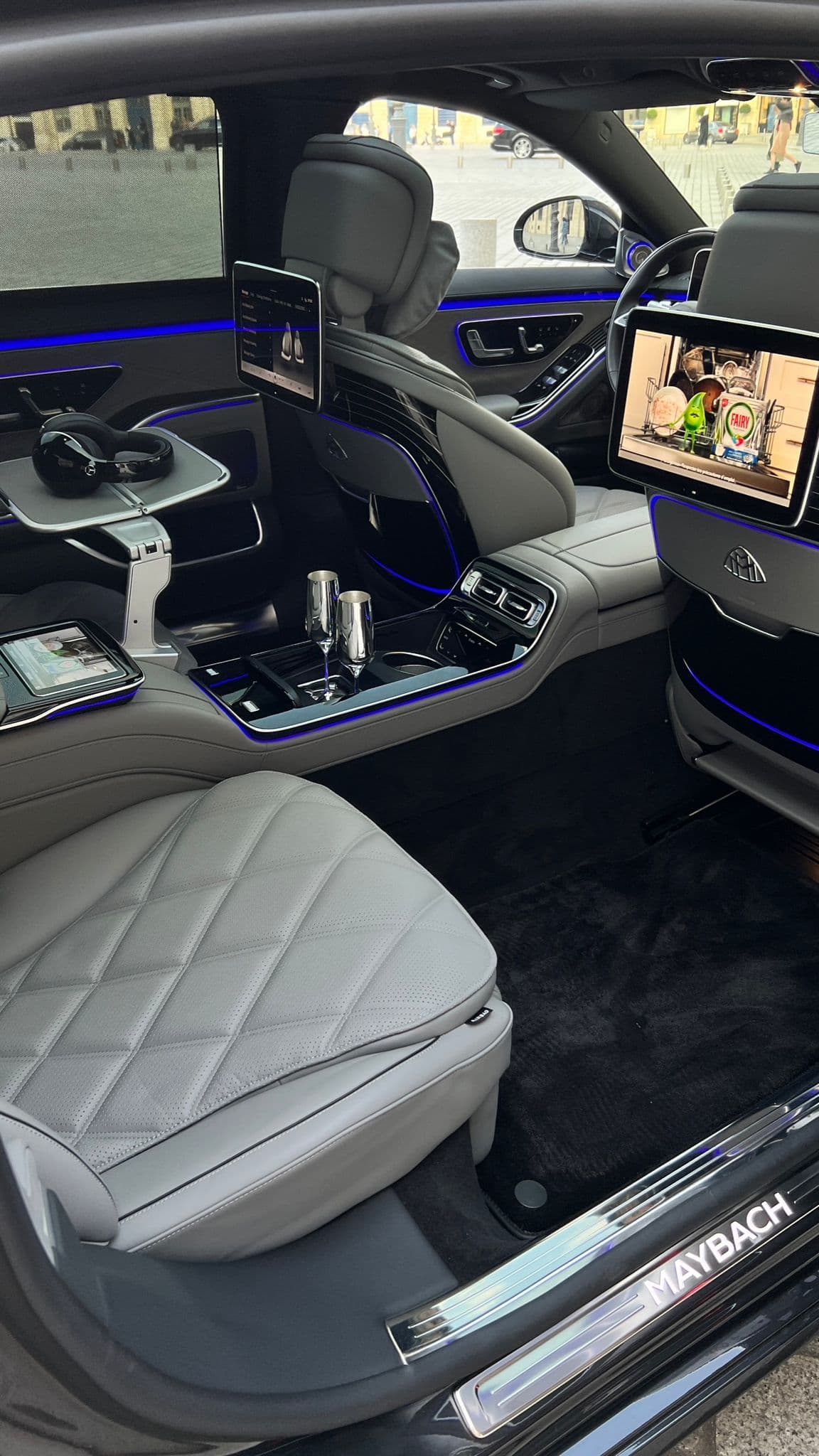
A typical FFGR Versailles programme for a principal and two to four guests: departure from central Paris in a Rolls-Royce Phantom or Maybach S680 at seven fifteen, arrival at the Grille du Dragon by seven forty. Two and a half hours with the art historian. Coffee in the Orangerie courtyard. Return to Paris or onward transfer to a lunch reservation at the Trianon Palace Versailles (the five-star hotel adjacent to the estate). An afternoon programme in Paris. An evening conclusion.
Alternatively, for principals who wish to combine Versailles with the wine region, the route extends to the Champagne estates we coordinate in Reims, two hours east. The same driver. The same Maybach. A different country entirely by mid-afternoon.
Booking
Versailles was built to make an impression on people who thought they had already seen everything. If you would like to experience it the way it was intended, without crowds, without compromise, we arrange it. WhatsApp +33 7 43 46 14 91 · reservation@ffgrparis.com
Book nowContinue Reading
 destinations
Côte d\'Azur Private Yacht | The FFGR Guide to the French Riviera by Sea
How to charter a superyacht or private boat on the Côte d'Azur: Monaco to Saint-Tropez, Cannes Film Festival logistics, anchorage selection, and what separates a true yacht charter from an online booking form.
8 min
 destinations
Paris to Courchevel | Private Chauffeur for the Ski Season
The definitive guide to Paris-Courchevel private chauffeur transfers: route options, vehicle selection for alpine conditions, timing the ski season, and how FFGR Paris runs the winter mountain corridor.
9 min
 destinations
Paris to Geneva | Private Chauffeur & Cross-Border Transfer
The definitive guide to Paris-Geneva private chauffeur transfers: route options, Swiss border protocols, timing the financial calendar, and how FFGR Paris operates the Franco-Swiss corridor for UHNW clients.
9 min