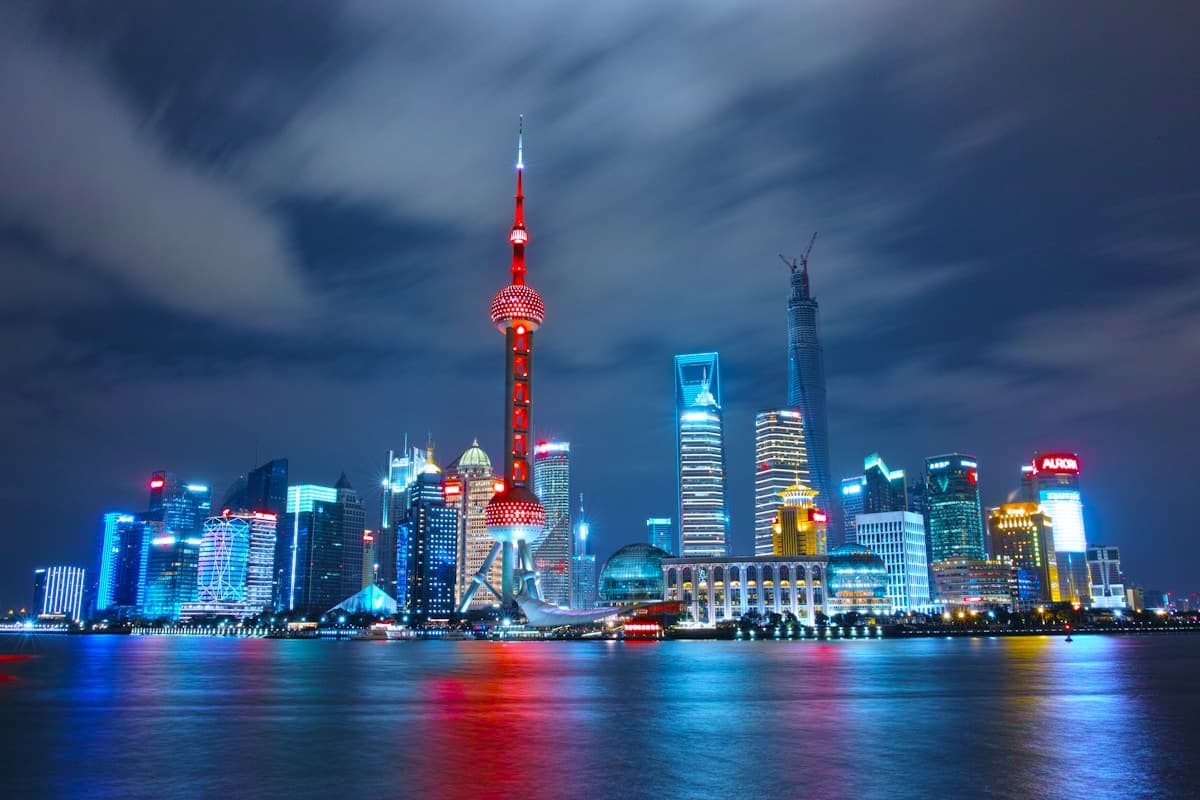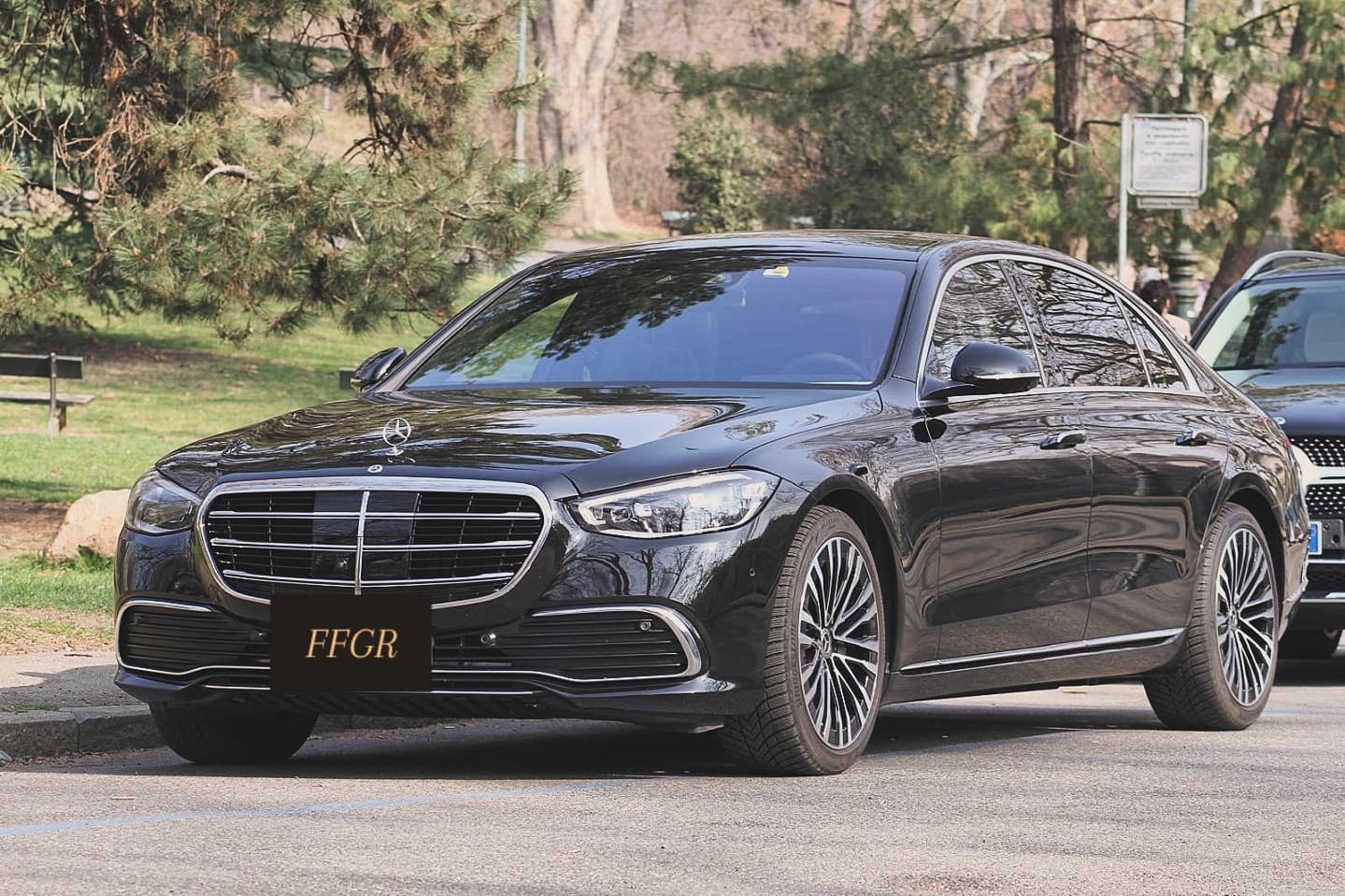
Paris Fashion Week is, on paper, ten days of runway shows. In practice, it is the most concentrated mobility test of the global luxury calendar: five hundred guests of consequence converging on twenty venues, every transition timed to the minute, every absence noticed. We coordinate up to forty vehicles simultaneously across the Marais, Saint-Germain, the Palais Royal, and the Grand Palais. We do not coordinate spectacle; we coordinate that no client of ours ever waits.
The week the city becomes a stage
For ten days each March and October, Paris reorganises itself around its ateliers. Streets close along the Seine, palais reopen, the city's hotel inventory tightens to single-digit vacancy, and the social geometry collapses around a handful of postcodes between the 1st and the 8th arrondissements. For our team, the week begins ninety days earlier, with show invitations confirmed, buyer appointments cross-referenced, and the principal's after-show calendar mapped against vehicle availability hour by hour.
The orchestration is invisible to the guest, and that is the point. A Phantom waits at the Palais Royal at 18:48 because the Balenciaga show ends at 18:45 and the buyer's next appointment is across the Seine at 19:30. There is no slack.
Dispatch as a literary form
A typical Fashion Week day for our clients includes eight to twelve mandatory appearances: morning ateliers, lunch with a creative director or brand director, two to four runway shows, an aperitif at a gallery, a dinner at a private club, and an after-party at an address that surfaces on WhatsApp ninety minutes before it happens. Each segment has a vehicle requirement that depends not only on the route but on what the guest will be wearing, who accompanies them, and whether the evening is on or off the record.
We operate, during these weeks, like a small newsroom. There is a master schedule, four dispatchers working in shifts, and a single rule: no client is ever told they have to wait. If a show runs late, and they always run late, we redirect. If a buyer's fitting overruns at Chanel, we reposition. The choreography is real-time and the only acceptable error margin is zero.
What changes between Dior, Saint Laurent, and Chanel
It is not the same job to extract a guest from the Dior show at the Musée Rodin as it is from Chanel at the Grand Palais Éphémère. Dior means a controlled exit through the Varenne side gate: narrow kerb, two-minute window per car, close protection often required. Saint Laurent at the Trocadéro means wide esplanades but a police escort pattern that changes every season. Chanel has its own internal entrance protocol for the brand's top hundred guests; we coordinate with the maison's protocol team directly.
We maintain a private brief for each major venue, refreshed every season. It contains the kerb diagram, the security timing, the after-show traffic pattern, the location of the photographer pen, and the exact words the door staff use to clear a path. The brief is not shared: it is what differentiates a maison from a broker.
CDG, Orly, Le Bourget: the airport window
Most fashion principals do not arrive by taxi. They arrive on private jets at Le Bourget (LBG), on first-class at CDG Terminal 2G, or on a NetJets positioning flight that changes its ETA three times. We track all of them. The standard Fashion Week arrival window runs from Friday before opening through Sunday evening; every hour of that window has a car staged and a driver briefed.
For Le Bourget private aviation, our drivers are on the apron, no terminal, no luggage carousel. Wheels-down to Mercedes is under four minutes. For CDG, we hold the La Française VIP terminal agreement that routes arriving clients directly from immigration to a secured vehicle bay. The result is the same: from wheels-down to moving, under eight minutes.
The after-party paradox
After-parties do not appear in the official calendar. They appear in Signal threads two hours before they happen and the address often changes once. We have two protocols: a standby fleet of three to five vehicles staged in central arrondissements through the night, and a shadow dispatch line for clients who send us a location and expect a vehicle in under nine minutes.
This is where the operator-versus-broker distinction becomes financial. Brokers charge a thirty to forty percent late-night premium because they are scrambling for sub-contracted vehicles. We do not, because the vehicles are already ours and already on the clock. The same client pays predictably what they would pay during the day.
No delays. No compromises.
The phrase appears on our homepage; it is not marketing. It is the single performance metric we track during Fashion Week. In March 2026, across the ten-day cycle, we coordinated four hundred and twelve individual transit segments for twenty-six client groups. Average delay: zero minutes. The single late arrival was a guest who chose, charmingly, to walk the last block in heels that had ceased to cooperate.
This is what FFGR Paris promises during the most demanding week in the luxury calendar: not that we can move you, but that the city becomes, for the duration of your stay, navigable entirely on your terms.
Booking
If you are planning a Paris Fashion Week presence, as a buyer, a brand, a family office, or a guest of a designer, the moment to talk is not in March or October. It is now. Showrooms book in January. Runway tickets ship in early March. The ground transport that holds the entire week together is booked the same way: ahead, with intent. Reach out via WhatsApp +33 7 43 46 14 91 or reservation@ffgrparis.com and we will design the week around you.
Book nowContinue Reading
 fashion
Cannes Film Festival | Private Chauffeur & VIP Ground Logistics
How FFGR Paris manages ground transport during the Festival de Cannes: Palais arrivals, Croisette protocols, villa transfers, and the operational realities of the most photographed red carpet in Europe.
9 min
 fashion
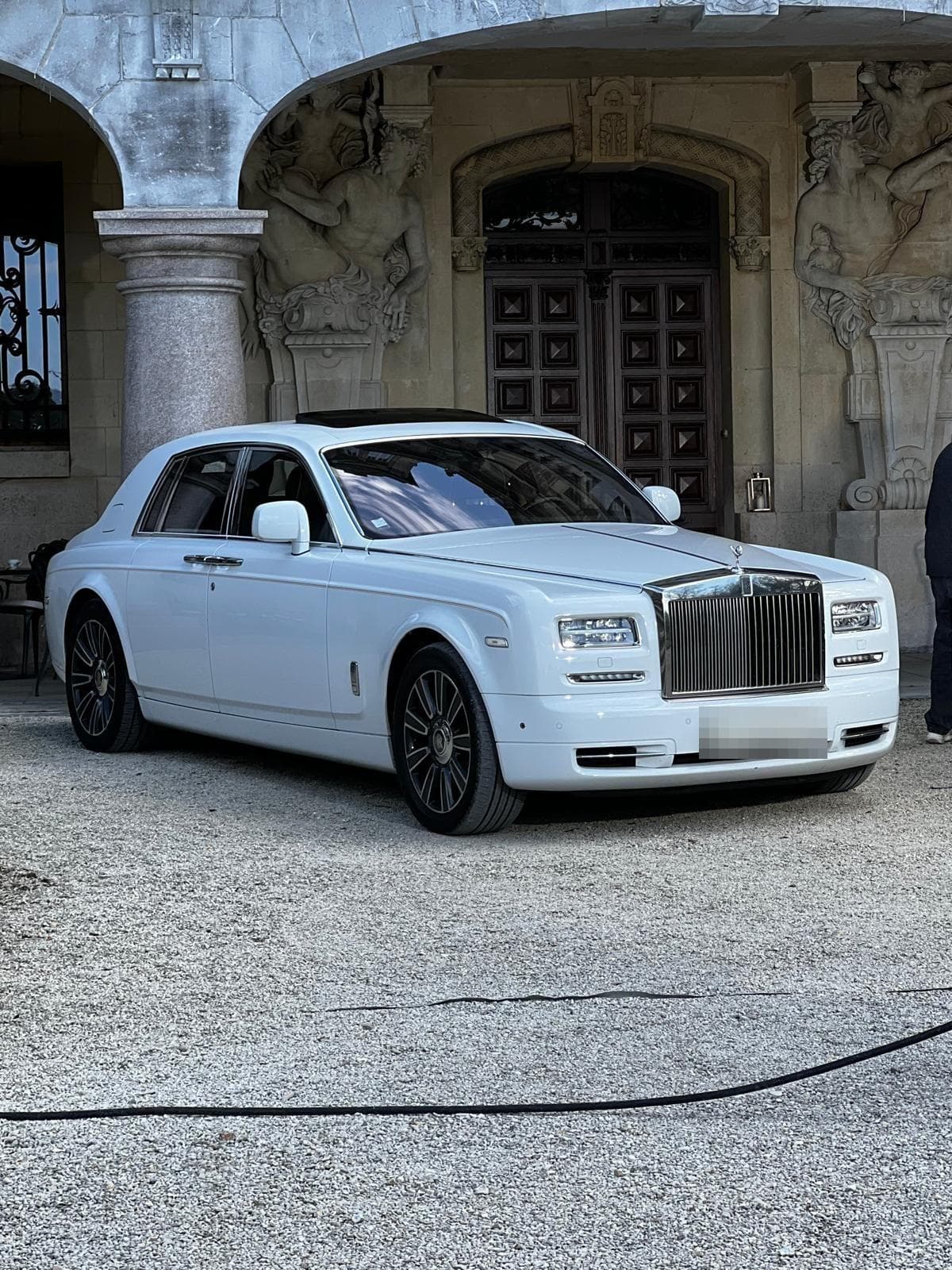
Paris Personal Shopping | Private Chauffeur & Luxury Retail Circuit
How FFGR Paris supports the personal shopping experience: golden triangle boutique circuit, private viewing access at Chanel and Hermès, discreet acquisition transport, and coordinating the Paris luxury retail day for UHNW clients.
9 min
 fashion
Paris Haute Couture Week | Private Chauffeur for Atelier Presentations
How FFGR Paris supports clients during Haute Couture Week (January and July): atelier access in the 8th arrondissement and Saint-Germain, private viewing transfers, fitting appointments, and the discreet vehicle programme for clients attending Chanel, Dior, Valentino, and Schiaparelli presentations.
9 min