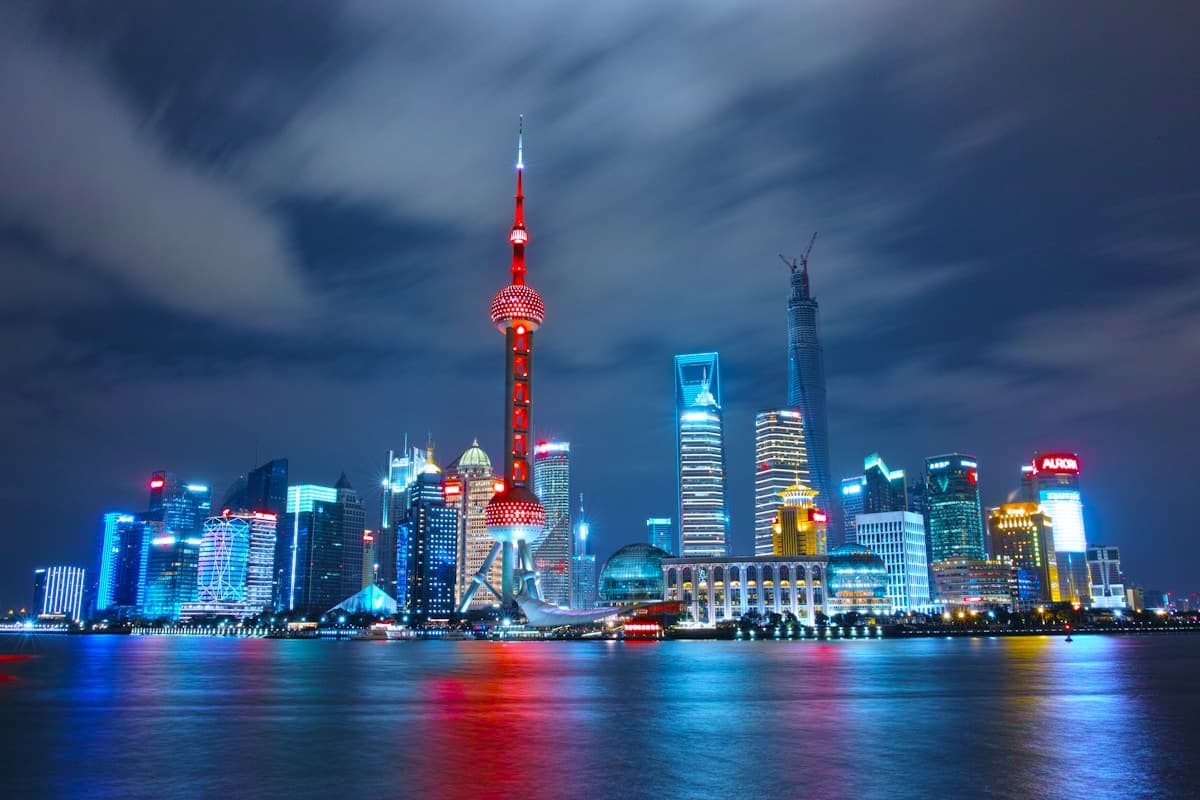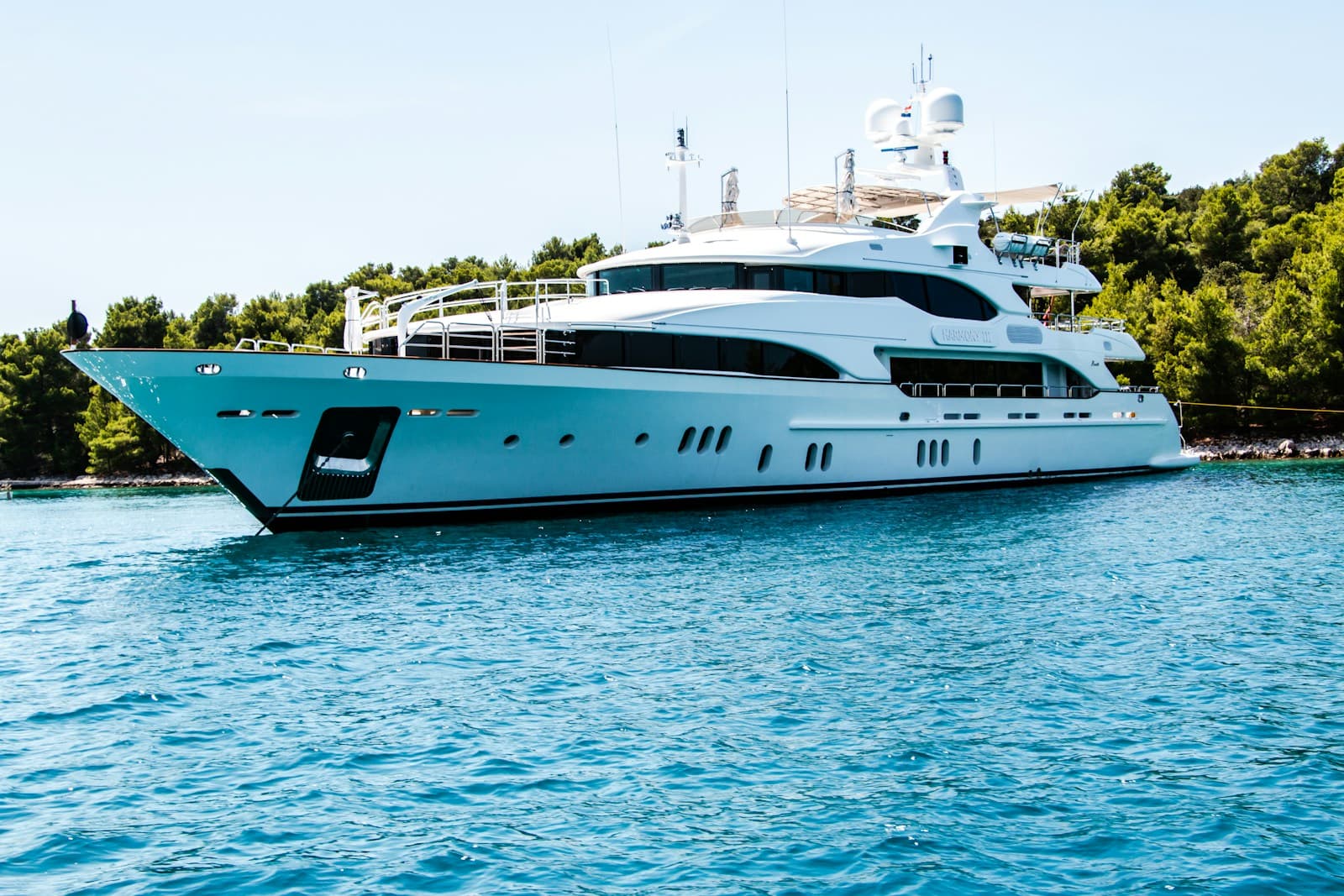
The French Riviera is, by every measurable standard, best understood from the sea. The hinterland of the Alpes-Maritimes drops directly to the water along a coastline where the distance between a villa terrace and the Mediterranean averages eleven metres. The roads, the Corniche Inférieure, the Moyenne, the Grande, are among the most scenic in Europe and among the most congested in summer. The correct answer, for those with the option, is not to use them.
Monaco: the compact capital of everything
Monaco's Port Hercule is three hundred and fifty berths of the most valuable waterfront in the world. The Yacht Club de Monaco governs access to the event calendar; the Monaco Yacht Show in September is the annual apex. Outside of show week, securing a berth for a vessel above forty metres requires advance booking measured in months, not days.
Our coordination desk handles all Monaco port logistics: capitainerie liaison, customs pre-clearance for non-EU flag vessels, and the onshore transfer from your yacht's gangway to a waiting Mercedes, or, if the schedule demands it, to a helicopter positioned at the Monaco Héliport three minutes from Port Hercule by car. The distance between Monaco and Cannes by sea is thirty nautical miles; by helicopter, twelve minutes.
Cannes: the film festival axis
During the Festival de Cannes (late May, two weeks), the Côte d'Azur enters what the industry calls the Palais window, a ten-day compression of celebrity, studio executive, and financier movement that rivals Fashion Week in its logistical intensity. The Croisette accommodates very large yachts offshore; tenders shuttle guests to the private pier behind the Majestic and the Carlton.
We coordinate the full Cannes festival infrastructure: tender timing against red-carpet call sheets, vehicle staging at the Palais des Festivals vehicle drop, helicopter transfer to private dinners in Mougins or Cap d'Antibes, and the post-screening extraction that requires a driver who knows the service entrance of the Grand Hyatt ten seconds before the crowd learns the show is over. Every year, what separates the principals who are efficient from those who are not is not their access, it is their operator.
Saint-Tropez: the summer standard
Saint-Tropez has no commercial airport. It has the A8, forty-five kilometres away at Fréjus, and the D98, which becomes a car park from July to September every year with no exception. The correct approach in summer is one of three: helicopter from Nice or Cannes (eighteen minutes), private boat from Monaco or Antibes (two to three hours depending on vessel), or departure at five in the morning by road and return before noon.
Our Saint-Tropez operations are anchored at Port Grimaud, ten minutes from the village by boat and accessible by road without entering the Tropézian traffic. We maintain a local vehicle presence and tender partnerships throughout the summer season. If your calendar includes a lunch at Club 55, a sunset at Nikki Beach, and a dinner at La Vague d'Or, we have run that day before.
The yacht: what to charter and what it costs
The superyacht charter market on the Côte d'Azur in summer runs from approximately fifteen thousand euros per week for a thirty-metre vessel to over one million for the largest flagships. Day charter on a private boat, a Riva Aquarama, a Sunseeker, a forty-foot sailboat, runs from eight hundred to five thousand euros depending on length, crew, and provisioning.
We do not sell yacht charters in the sense that a broker does. We integrate the yacht into a full ground-and-air programme: your car meets you at CDG, the helicopter positions you at Le Bourget or Nice, the tender meets you at the fuel dock, and the yacht departs when you board, not when the marina staff are ready. The difference in a week's programme is measured not in euros but in hours recovered.
The FFGR approach to sea-to-shore logistics
The transition from yacht to shore and shore to yacht is where most operators fail. A principal anchored off Cap Ferrat who has a lunch reservation in Monaco at one o'clock needs a tender that leaves at twelve twenty, a car that meets the tender at the Port de Fontvieille, and a driver who knows the difference between the Casino entrance and the Hôtel de Paris entrance because they lead to different parking solutions during the Grand Prix.
We have done this before. We have done it during the Grand Prix, during the Yacht Show, during a rainstorm, during a security lockdown that closed the Condamine and forced a reroute through Beausoleil. The experience is not stored in a manual. It is embedded in the team.
Booking
If you are planning a Côte d'Azur programme: a week on a chartered yacht, a set of festival appearances, or simply the summer that the season deserves: the logistics conversation begins with us. WhatsApp +33 7 43 46 14 91 · reservation@ffgrparis.com
Book nowContinue Reading
 destinations
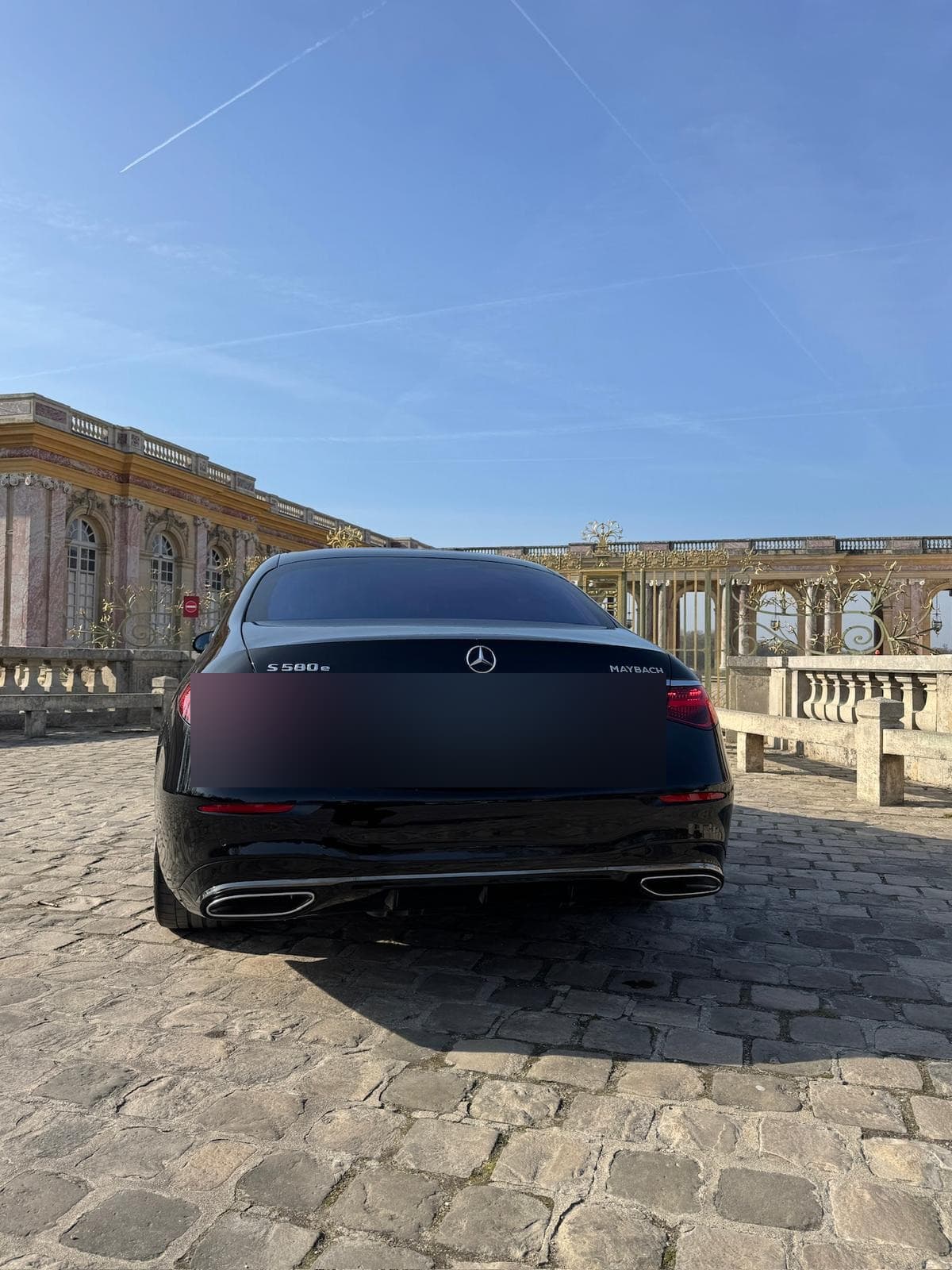
Versailles | The Private Access Guide for UHNW Visitors
How to experience the Château de Versailles as it was intended: before the crowds, after closing, with an art historian, in a Rolls-Royce. The FFGR Paris guide to private Versailles access.
8 min
 destinations
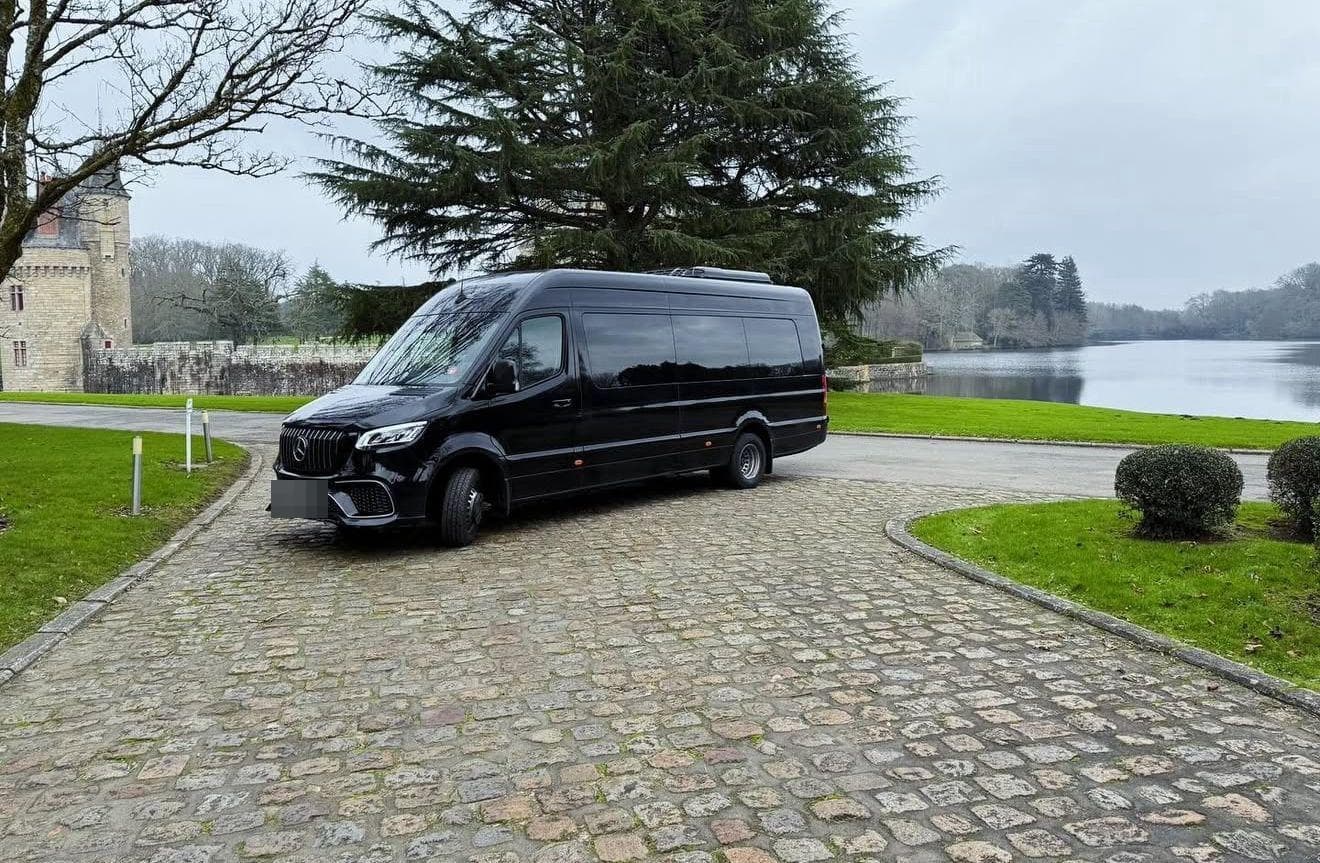
Paris to Courchevel | Private Chauffeur for the Ski Season
The definitive guide to Paris-Courchevel private chauffeur transfers: route options, vehicle selection for alpine conditions, timing the ski season, and how FFGR Paris runs the winter mountain corridor.
9 min
 destinations
Paris to Geneva | Private Chauffeur & Cross-Border Transfer
The definitive guide to Paris-Geneva private chauffeur transfers: route options, Swiss border protocols, timing the financial calendar, and how FFGR Paris operates the Franco-Swiss corridor for UHNW clients.
9 min