Paris entre 1917 et 1940 fut la capitale de la culture russe en exil. La révolution d'octobre 1917 et la guerre civile qui s'ensuivit chassèrent vers Paris quelque 200 000 ressortissants russes, princes, artistes, écrivains, officiers militaires, intellectuels et membres du clergé, qui établirent dans les arrondissements occidentaux et en banlieue un Paris russe qui était, selon les mots du philosophe exilé Nicolas Berdiaev, « la continuation de la Russie par d'autres moyens ». Les traces de cette communauté demeurent : les églises orthodoxes, les écoles de langue russe, les restaurants, les galeries, les ateliers où Chagall, Soutine, Larionov, Gontcharova et Léger travaillèrent dans le même quartier. FFGR propose un service de chauffeur pour le circuit culturel russe de Paris, des salles de concert où les Ballets Russes inventèrent la musique et la danse du XXe siècle aux églises où la communauté émigrée maintint l'orthodoxie russe en exil.
Les Ballets Russes à Paris : Diaghilev, Stravinski et le Sacre du Printemps
Les Ballets Russes de Serge de Diaghilev (1908-1929) transformèrent le paysage artistique de Paris et de la culture occidentale dans son ensemble, la compagnie fut l'entreprise artistique individuelle la plus importante du XXe siècle par son engagement simultané avec la musique (Stravinski, Debussy, Satie, Prokofiev, de Falla, Poulenc), les arts visuels (Picasso, Matisse, Braque, Gontcharova, Larionov, de Chirico, Ernst), le costume et le décor (Chanel, Poiret, Bakst) et la danse (Nijinski, Karsavina, Pavlova, Lifar) :
**Théâtre des Champs-Élysées (15 Avenue Montaigne 75008, conçu par Henri van de Velde avec des bas-reliefs d'Antoine Bourdelle, inauguré en 1913, la salle de concert la plus moderniste de Paris à son ouverture) :** la première du *Sacre du Printemps* (musique Igor Stravinski, chorégraphie Vaslav Nijinski) le 29 mai 1913 dans ce théâtre est la première la plus commentée de l'histoire de la musique occidentale. Le public provoqua une émeute, la combinaison du rythme polyrythmique et primitiviste de Stravinski et de la chorégraphie délibérément anti-ballettique de Nijinski (pieds tournés vers l'intérieur, mouvements de stamping, corps utilisés comme instruments de percussion) déclencha un tumulte soutenu qui nécessita l'intervention de la police. Le théâtre propose des programmes contemporains de ballet, d'opéra et de concerts qui perpétuent la tradition des saisons des Ballets Russes. FFGR peut organiser des billets pour les productions actuelles et gérer la soirée complète, transfert depuis l'hôtel, dîner pré-concert (le restaurant Maison Blanche au 15 Avenue Montaigne, dans l'immeuble au-dessus du théâtre), concert et retour.
**L'Opéra Garnier et les archives des Ballets Russes (Place de l'Opéra 75009, conçu par Charles Garnier 1861-1875, inauguré en janvier 1875) :** le Palais Garnier fut la salle principale des saisons parisiennes des Ballets Russes de 1908 à 1914, les saisons qui inclurent les premières de *Cléopâtre* (1909, avec Ida Rubinstein), *Schéhérazade* (1910, décors et costumes de Léon Bakst) et *Petrouchka* (1911, musique de Stravinski, dirigée par Pierre Monteux dans la fosse du Garnier). La Bibliothèque-Musée de l'Opéra (au sein du bâtiment Garnier) conserve les principales archives de documentation des Ballets Russes en France : maquettes de décors originales de Bakst, Gontcharova et Larionov ; feuillets de notation chorégraphique ; livrets de programme signés par Diaghilev ; et la correspondance entre Diaghilev et Stravinski couvrant la création des œuvres majeures.
La Cathédrale Saint-Alexandre-Nevsky: centre orthodoxe russe de Paris
Cathédrale Saint-Alexandre-Nevsky (12 Rue Daru 75008, entre l'Avenue de Wagram et le Parc Monceau, dans le 8ème arrondissement) :
**Le bâtiment :** construite de 1858 à 1861 sous la direction de l'architecte Roman Ivanovitch Kouzmine, avec le financement du gouvernement impérial russe et de la communauté russe de Paris, la cathédrale est la plus ancienne et principale église orthodoxe russe de France. Le bâtiment est de style russo-byzantin, cinq tours à coupole (le dôme central à 38 m de haut), bulbes en oignon dorés et extérieur en pierre de taille avec détails en brique. L'intérieur conserve sa décoration d'origine de 1861 : iconostase russe du XIXe siècle, fresques sur le mur oriental et le lustre offert par le Tsar Alexandre II lors de l'inauguration.
**La communauté émigrée :** après la révolution de 1917, la cathédrale devint le centre spirituel et social de la communauté émigrée russe à Paris. Les registres paroissiaux consignent les baptêmes, mariages et funérailles des plus éminents exilés russes, dont le service commémoratif parisien du compositeur Sergueï Rachmaninov (1943, Rachmaninov mourut à Beverly Hills mais son service mémorial parisien fut célébré ici), le mariage de la ballerine Tamara Karsavina (principal ballerine de Diaghilev, qui vécut sa retraite à Paris depuis 1929), et le baptême des enfants et petits-enfants des branches de la famille impériale russe installées en France.
**Le quartier de la Petite Russie :** les rues autour de la cathédrale (Rue Daru, Rue de Courcelles, Avenue de Wagram) conservent les traces physiques restantes du Paris russe des années 1920-1930 : la librairie orthodoxe russe, l'épicerie russe, les bureaux des associations émigrées russes survivantes. Le *Musée Russe à Paris* (39 Rue Daru 75008, petit musée privé documentant l'histoire de la communauté émigrée russe en France) est ouvert sur rendez-vous.
L'École de Paris: Chagall, Soutine et les artistes judéo-russes
L'*École de Paris*, la désignation générique pour les artistes internationaux qui travaillèrent à Paris entre 1900 et 1940, concentrés à Montparnasse et dans les arrondissements occidentaux, comporte une composante russe et judéo-russe substantielle :
**Marc Chagall (1887 Liozno, arrivé à Paris en 1910, via Vitebsk, Berlin ; atelier à La Ruche, 2 Passage Dantzig 75015) :** Chagall arriva à Paris depuis Vitebsk (aujourd'hui en Biélorussie) en 1910 et passa les années 1910-1914 dans le complexe d'ateliers connu sous le nom de La Ruche, un bâtiment circulaire du Passage Dantzig dans le 15ème, conçu par le bureau de Gustave Eiffel pour l'Exposition universelle de 1900 et réaffecté en complexe d'ateliers d'artistes. La Ruche accueillit simultanément Chagall, Soutine, Léger et Modigliani, les quatre peintres les plus importants de l'École de Paris. Chagall revint à Paris en 1923 (après la guerre et la révolution russe) et vécut principalement en France jusqu'à sa mort en 1985. La série des Bibles de Chagall (les 105 gouaches commandées en 1931 par Ambroise Vollard pour une Bible illustrée, achevées sur 50 ans) constitue le projet artistique religieux le plus important du XXe siècle en France.
**Chaïm Soutine (1893 Smilovitchi, atelier à La Ruche 1913-1917, puis Montparnasse) :** Soutine arriva à Paris depuis Smilovitchi (aujourd'hui en Biélorussie) en 1913, à l'âge de 20 ans. Sa période parisienne (1913-1943, il mourut à Paris pendant l'Occupation allemande) produisit les toiles expressionnistes, la série des *Carcasses de bœuf* (inspirée par le *Bœuf écorché* de Rembrandt, visible au Louvre, on rapporte que Soutine loua une carcasse et la peignit dans son atelier pendant des semaines), la série des *Chasseurs de chez Maxim's*, la série des *Pâtissiers*, qui firent de lui le peintre expressionniste le plus important en France.
**La Ruche aujourd'hui :** le bâtiment circulaire au 2 Passage Dantzig 75015 (15ème arrondissement, accessible depuis la Rue de Vaugirard, derrière le Parc Georges Brassens) fonctionne toujours comme complexe d'ateliers d'artistes et reste habité par des artistes en activité. Le bâtiment n'est pas ouvert au public, mais l'extérieur (la structure circulaire de 1900 avec ses détails en fer forgé d'origine) est visible depuis le Passage Dantzig.
**Musée d'Art Moderne de la Ville de Paris (11 Avenue du Président Wilson 75016, musée municipal d'art moderne) :** conserve la collection publique française la plus complète d'œuvres de l'École de Paris, avec d'importantes pièces de Chagall, Soutine, Kisling, Pascin et Kremègne. La collection d'artistes émigrés russes y est plus forte qu'au Centre Pompidou.
Le quartier de l'émigration blanche : le 15ème et les banlieues russes
La communauté des émigrés blancs russes arrivée à Paris entre 1919 et 1922 se concentra dans plusieurs zones spécifiques :
**Le 15ème arrondissement (autour de la Porte de Versailles et de la Rue de la Convention) :** l'arrondissement populaire qui accueillit le plus grand nombre de réfugiés russes dans les années 1920. Les Russes arrivés à Paris comme chauffeurs de taxi (l'occupation la plus répandue des anciens officiers impériaux, un phénomène documenté dans de nombreux mémoires de l'époque) s'installèrent dans le 15ème, où se trouvaient les garages. L'*Association des Anciens Combattants Russes* y avait son siège ; les écoles de langue russe établies dans les années 1920 fonctionnent encore sous une forme modifiée.
**Levallois-Perret et les banlieues russes :** les communes de Levallois-Perret (92300), Neuilly-sur-Seine (92200) et Billancourt (adjacent à Boulogne-Billancourt, 92100) accueillirent des communautés émigrées russes concentrées autour des usines Renault et Citroën où d'anciens soldats russes travaillèrent comme ouvriers à la chaîne depuis les années 1920.
**Les restaurants russes de Paris :** la tradition du restaurant russe à Paris a survécu de façon atténuée depuis les années 1920 : - **Le Daru (19 Rue Daru 75008, adjacent à la cathédrale Saint-Alexandre-Nevsky) :** le plus ancien restaurant russe survivant de Paris, fondé en 1918 par un officier cosaque ; les blinis, les *zakouski* (hors-d'œuvre russes), le kvass et la sélection de vodkas y sont parmi les plus authentiques hors de Russie - **Maison Russe (13 Rue Danielle Casanova 75001) :** la référence contemporaine pour la gastronomie russe raffinée à Paris, avec une sélection de vins de Crimée et de Géorgie aux côtés du répertoire classique russe
L'héritage musical franco-russe: Stravinski, Prokofiev et le Conservatoire
Paris entre 1917 et 1940 fut la capitale de la musique russe en exil, Stravinski, Prokofiev, Rachmaninov et Markevitch vécurent et travaillèrent tous à Paris au cours de cette période :
**Le Paris de Stravinski :** Stravinski (1882-1971, né à Oranienbaum près de Saint-Pétersbourg, arrivé à Paris en 1910 avec Diaghilev, revenu régulièrement jusqu'en 1939) vécut à Paris à plusieurs adresses au cours des années des Ballets Russes et de l'entre-deux-guerres, dont la Villa Bel Respiro, Garches (92380 Garches, Hauts-de-Seine, une villa de banlieue à 15 km à l'ouest de Paris où Stravinski vécut de 1921 à 1922 et composa le *Concertino pour quatuor à cordes*). La Salle Gaveau (45 Rue La Boétie 75008, la principale salle de musique de chambre de Paris) et la Salle Pleyel (252 Rue du Faubourg Saint-Honoré 75008) furent les principales salles de concert pour les créations parisiennes de Stravinski : *Pulcinella* (Opéra, 1920), *Les Noces* (Gaîté-Lyrique, 1923, avec chorégraphie de Bronislava Nijinska) et *Œdipus Rex* (Théâtre Sarah-Bernhardt, 1927).
**Le Paris de Prokofiev :** Prokofiev (1891-1953, né à Sontsovka, Ukraine ; arrivé à Paris en 1920 via Londres ; retourné en URSS en 1936) vécut à Paris au 5 Rue Valentin Haüy 75015 (15ème arrondissement) à partir de 1923. Ses œuvres parisiennes comprennent le ballet *Roméo et Juliette* (commandé par Diaghilev, achevé en 1936) et le *Troisième Concerto pour piano* (première mondiale à Paris en 1921 avec le compositeur comme soliste à l'Opéra).
**Conservatoire de Paris (Conservatoire National Supérieur de Musique et de Danse de Paris, 209 Avenue Jean-Jaurès 75019, le conservatoire national de musique, dans le 19ème arrondissement adjacent à la Cité de la Musique) :** le lien entre le Conservatoire de Paris et la musique russe se trace à travers la carrière de Nadia Boulanger (1887-1979, le professeur de composition le plus influent du XXe siècle, qui enseigna au Conservatoire et au Conservatoire américain de Fontainebleau et dont les élèves comprennent Copland, Glass, Bernstein, Carter, Piazzolla et toute la génération des compositeurs du milieu du siècle en Europe et en Amérique).
Réserver le circuit culturel russe de Paris
FFGR propose le circuit culturel russe de Paris en trois formats :
**Le circuit du patrimoine russe parisien (demi-journée, 10h00-14h00 ou 14h00-18h00) :** Cathédrale Saint-Alexandre-Nevsky (30 minutes, visite intérieure + quartier) → La Ruche au 2 Passage Dantzig (extérieur, 15 minutes de voiture depuis la cathédrale) → Musée d'Art Moderne (11 Avenue du Président Wilson, 1h, collections Chagall et Soutine) → déjeuner au Daru (19 Rue Daru, adjacent à la cathédrale). Véhicule disponible tout au long du programme.
**Le programme Ballets Russes en soirée :** représentation au Théâtre des Champs-Élysées (toute production de ballet ou de concert dans la saison automne-printemps, de septembre à juin) → transfert depuis l'hôtel à 19h00 → dîner pré-concert à Maison Blanche (15 Avenue Montaigne, 19h30-21h00) → représentation (21h00-23h00) → retour à l'hôtel. FFGR peut faciliter l'acquisition de billets pour les représentations affichées complet grâce à ses relations établies avec la direction du théâtre.
**La journée complète de l'émigration russe :** matinée à la cathédrale Saint-Alexandre-Nevsky et dans le quartier de la Rue Daru (10h00-12h00) → déjeuner au Daru → après-midi au Musée d'Art Moderne et au Palais de Chaillot (la Cité de l'Architecture et du Patrimoine, 1 Place du Trocadéro 75016, conserve des fragments architecturaux de conception russe et la documentation originale de l'Exposition internationale de Paris 1937, lors de laquelle les pavillons soviétique et allemand se faisaient face de part et d'autre du Trocadéro) → en début de soirée à la Bibliothèque-Musée de l'Opéra Garnier (documentation des Ballets Russes, sur rendez-vous) → dîner dans un restaurant russe (Le Daru ou équivalent).
Contactez-nous à reservation@ffgrparis.com ou WhatsApp +33 7 43 46 14 91.
Réservation
Le Paris russe du XXe siècle, les Ballets Russes au Théâtre des Champs-Élysées et à l'Opéra Garnier, la communauté émigrée autour de la cathédrale Saint-Alexandre-Nevsky, les artistes de l'École de Paris à La Ruche, constitue l'un des chapitres les plus importants de l'histoire de Paris comme ville de refuge et de création artistique. FFGR assure le service de chauffeur et la gestion de programme pour les clients souhaitant retracer cette histoire. Contactez-nous : reservation@ffgrparis.com · WhatsApp +33 7 43 46 14 91.
Réserver maintenantArticles connexes
 destinations
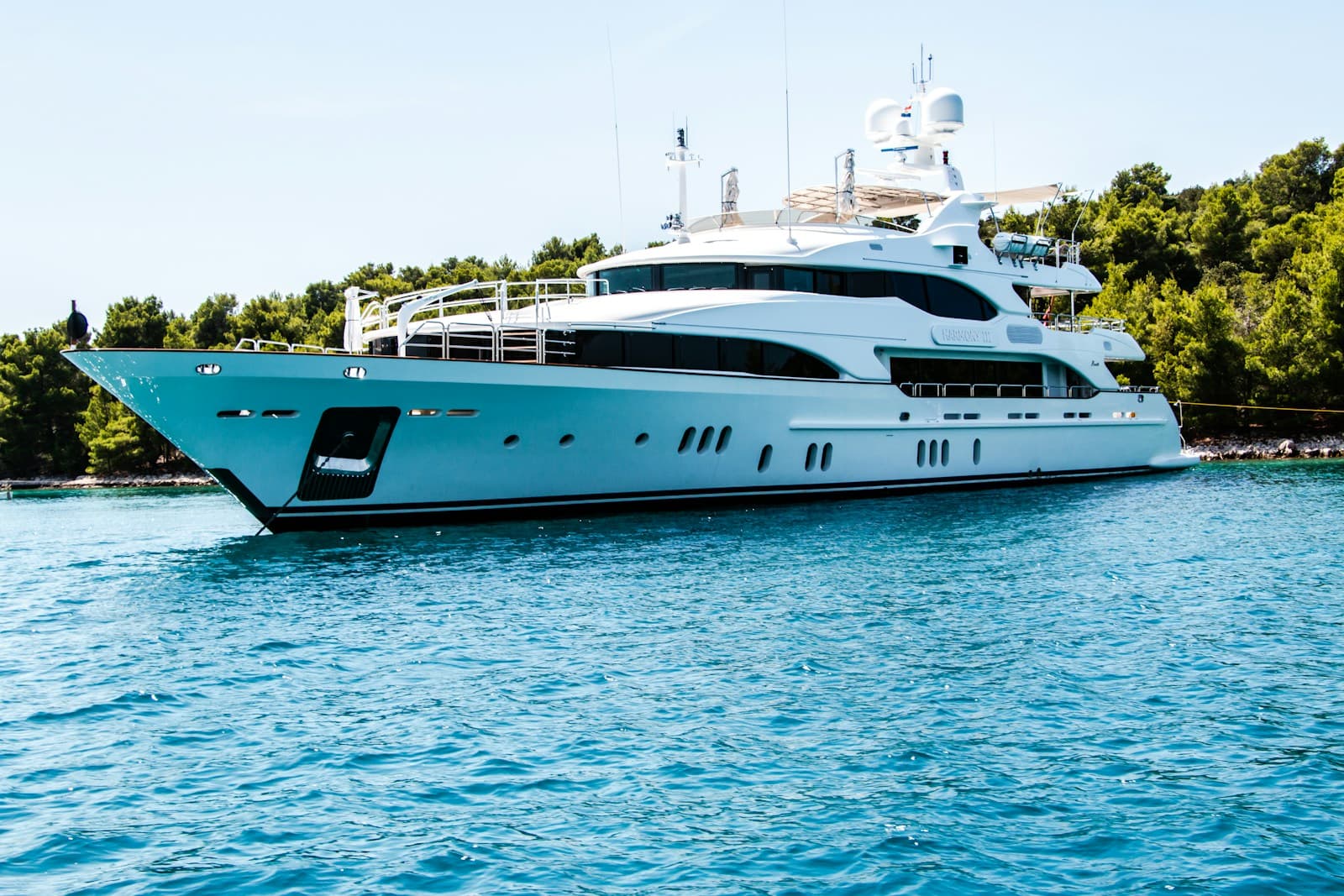
Côte d\'Azur en Yacht Privé | Le Guide FFGR pour la Riviera Française par la Mer
Comment affréter un superyacht ou un bateau privé sur la Côte d'Azur : Monaco à Saint-Tropez, logistique Festival de Cannes, sélection des mouillages, et ce qui distingue un vrai affrètement yacht d'un formulaire de réservation en ligne.
8 min
 destinations
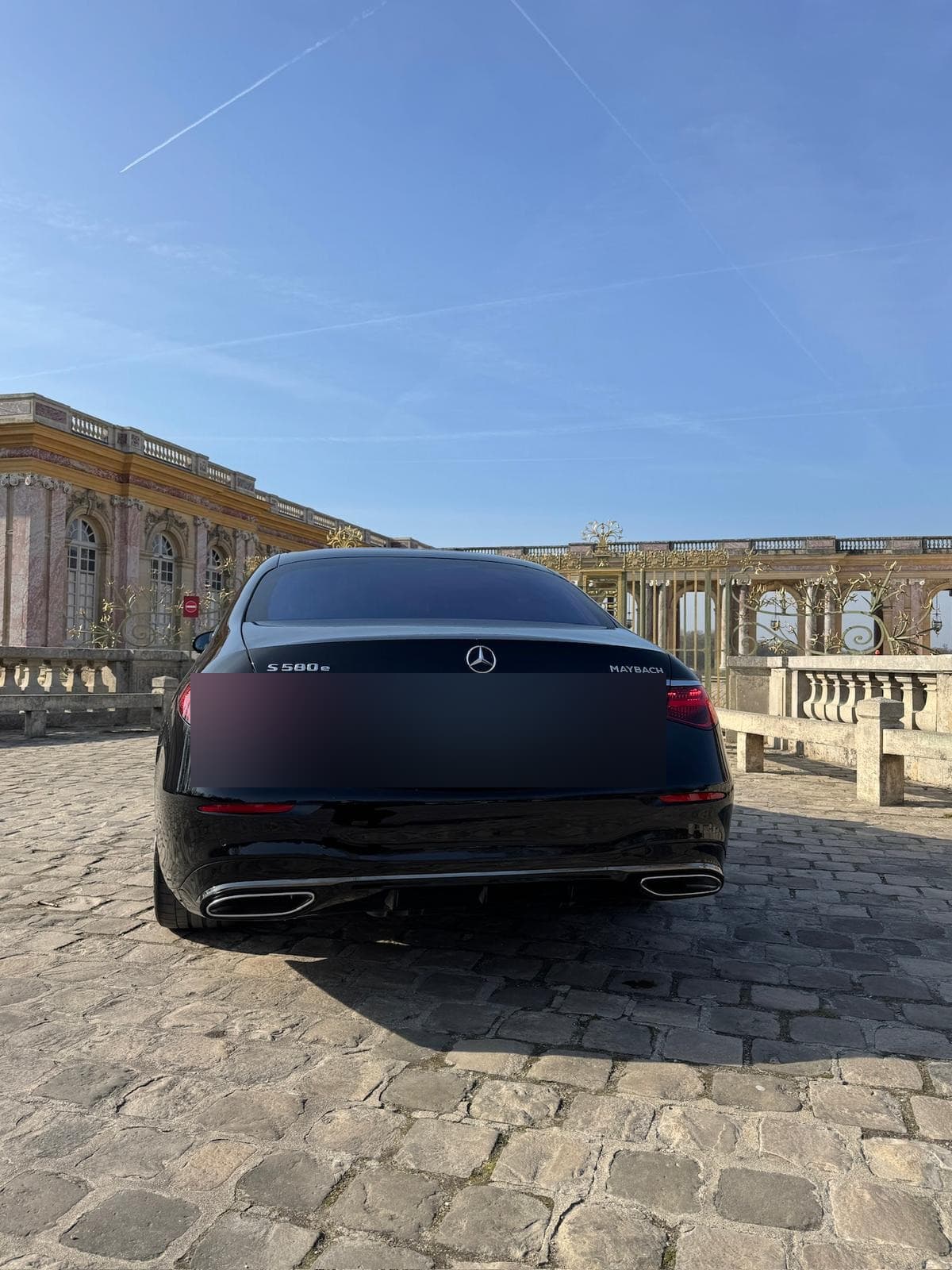
Versailles | Le Guide d\'Accès Privé pour Visiteurs UHNW
Comment vivre le Château de Versailles tel qu'il fut conçu : avant les foules, après la fermeture, avec un historien de l'art, dans une Rolls-Royce. Le guide FFGR Paris pour l'accès privé à Versailles.
8 min
 destinations
Paris-Courchevel | Chauffeur Privé pour la Saison Ski
Le guide définitif du transfert privé Paris-Courchevel : options d'itinéraire, sélection du véhicule pour conditions alpines, timing de la saison, et comment FFGR Paris gère le corridor montagne hiver.
9 min